
January 11, (THEWILL) — On a Saturday evening in early January, a wooden passenger boat carrying 52 people capsized on the Yobe River near Garbi town in northern Nigeria. The vessel had been ferrying farmers, traders and fishermen home from Adiyani in neighbouring Jigawa State when it overturned around 7.48pm. By the time rescue operations concluded, 29 people were confirmed dead, 15 had been pulled from the water alive, and eight remained missing. It was a tragedy that might have seemed shocking were it not so grimly familiar.
The Yobe disaster is merely the latest in a relentless pattern of boat accidents that claim hundreds of Nigerian lives each year. Between July and December 2024 alone, more than 452 people died in waterway incidents across states, including Niger, Kwara and Lagos. The following year saw at least 326 deaths by December’s end. In October 2024, a single capsizing incident in Niger State left 191 people feared dead. Just days before the Yobe accident, six lives were lost in Lagos. These are not isolated misfortunes but symptoms of a systemic failure in how Nigeria manages inland water transport, particularly in rural areas where rivers serve as vital arteries for communities cut off from reliable road networks.
The passengers aboard the Yobe boat were returning from their daily work when disaster struck. Many were primary breadwinners whose sudden loss has plunged entire households into grief and economic hardship. Local fishermen and emergency responders worked through the night to recover bodies and search for survivors, who received treatment for injuries and shock at nearby medical facilities. Governor Mai Mala Buni offered condolences, describing the event as deeply painful. His deputy, Idi Gubana, who represented the governor, announced a donation of N20 million to assist victims’ families and survivors, whilst promising to supply modern boats, life jackets and training for boat operators.

Such pledges highlight a troubling reality: Nigeria’s response to water transport safety remains stubbornly reactive rather than preventive. Post-tragedy interventions, however well-meaning, do little to address the fundamental conditions that make these accidents inevitable. The immediate cause of the Yobe capsizing was overloading combined with strong currents, poor visibility at night, and the absence of life jackets on board. Yet these factors are not aberrations but standard features of water transport in many rural Nigerian communities.
Overloading is endemic. Boat operators, often informal providers working on slim margins, face intense economic pressure to maximise passenger numbers per trip. Many lack the capital to invest in modern vessels or regular maintenance, and their wooden boats, exposed to water damage and heavy use, develop structural weaknesses that leave them vulnerable to sudden failure. Passengers, typically from low-income groups, accept these risks because alternatives are scarce or non-existent. In areas where road networks are either absent or in severe decay, rivers offer the only practical means of reaching markets, farms or home. This creates a grim calculus in which safety becomes subordinate to daily survival.
I’ll like to highlight that research attributes 67 per cent of boat accidents to human factors, including overloading and inadequate operator training. Natural factors such as weather and river conditions account for 22 per cent, with mechanical failures and other issues making up the remainder. Many operators lack proper training in handling emergencies or reading water conditions. Submerged debris and ageing infrastructure add further hazards.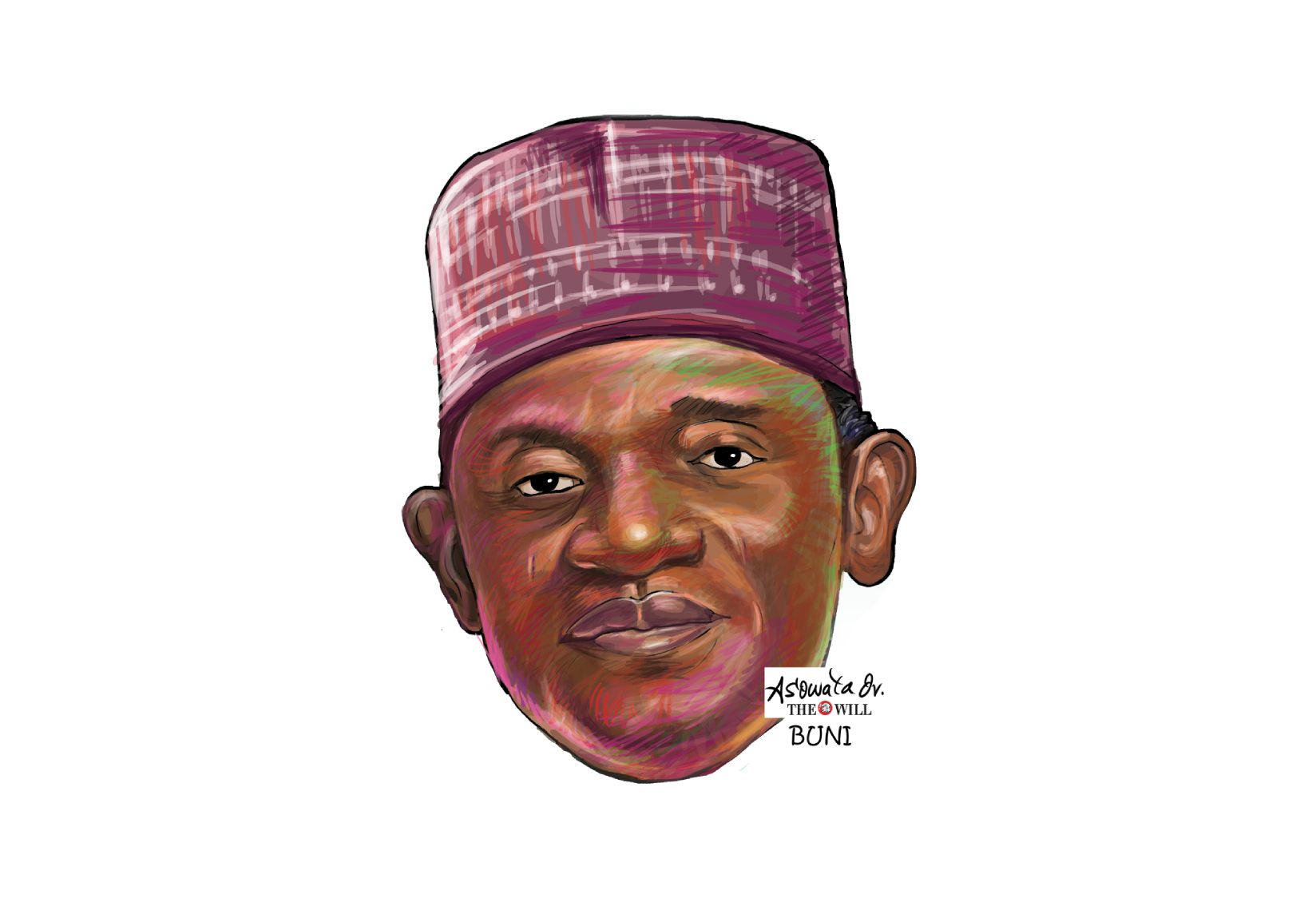
The National Inland Waterways Authority has introduced regulations requiring life jackets and limiting passenger numbers and has periodically distributed safety equipment whilst advocating compliance. Yet enforcement remains weak, particularly in remote areas where the presence of regulatory officials is minimal. The gap between policy intent and on-the-ground reality reveals a profound failure in oversight and accountability.
The roots of this crisis extend beyond regulation into Nigeria’s wider infrastructure deficit. Whilst state governments build flyovers and urban roads in capital cities, rural areas remain chronically underserved. The imbalance forces people in remote regions to continue using waterways despite the manifest dangers. The Yobe River, known in some parts as the Kumadugu, connects communities across state borders but its currents can turn treacherous, especially during seasonal changes. Without substantial investment in rural road networks, the pressure on unsafe water transport will persist.
Addressing this requires more than technical fixes. Legal accountability for negligence must be strengthened so that operators and officials face genuine consequences for violations. Economic support for informal transport workers might ease the pressure to overload vessels. Training programmes for operators need expansion beyond Yobe to other affected states. Public awareness campaigns conducted in local languages and tailored to community needs could help residents understand the risks of travelling on overloaded boats without safety equipment. By working with local leaders and boat unions, authorities could foster a culture of safety rooted in community rather than imposed from above.
Dredging and clearing waterways of submerged obstacles would reduce physical hazards. Regular inspections of vessels for structural soundness could prevent mechanical failures. Subsidies for the purchase of standard life jackets and the establishment of local safety committees to monitor boat loading at village level represent practical steps towards harm reduction. Yet none of these measures will succeed without sustained political commitment and adequate funding.
The tragedy on the Yobe River should serve as more than another occasion for official condolences. It demands recognition that the lives of people in remote communities hold equal value to those in urban centres where infrastructure investment flows more readily. A national conversation about safe transport must include the voices of those who risk their lives daily simply to reach a market or tend their farms. Only through coherent policy action, consistent enforcement and community engagement can Nigeria break the deadly cycle that has made boat accidents a routine feature of life in riverine areas. The 29 people who died in Yobe deserve more than sympathy. They deserve a commitment that their deaths will drive genuine change rather than fade into the mounting toll of preventable tragedy.