
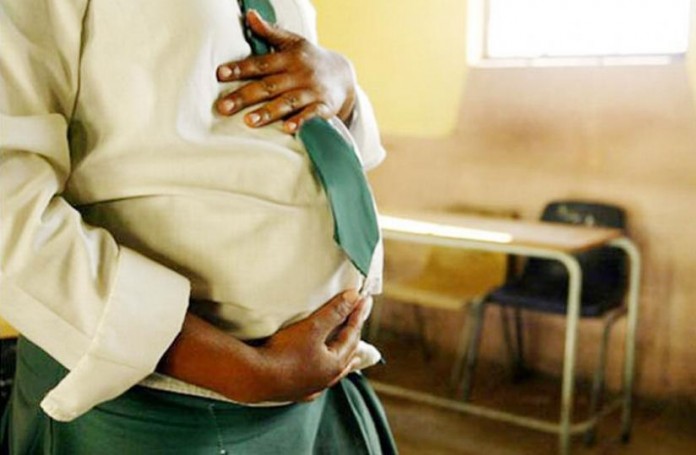
January 03, (THEWILL) – A High Court in Zimbabwe has declared as “unconstitutional, null and void”, Section 2(1) of the Termination of Pregnancy Act [Chapter 15:10] which prohibited safe abortion for underage girls and married women who are victims of rape.
Justice Maxwell Takuva declared the law unconstitutional and invalid in a case filed by Women in Law Southern Africa and Talent Forget, against Zimbabwe Health Minister Douglas Mombeshora, the Parliament of Zimbabwe, and Attorney General Prince Machaya.
The plaintiffs had highlighted the high rates of teenage pregnancies in Zimbabwe, which often lead to illegal abortions and maternal deaths. They also argued that marital rape, now criminalised, should warrant access to safe, legal abortion.

Under Section 4 of the Termination of Pregnancy Act, abortion is permitted only in cases where, “The pregnancy endangers the life or physical health of the woman; there is a serious risk of the child being born with severe physical or mental disabilities; where pregnancy is a result of unlawful intercourse, excluding marital rape and intercourse with minors under 18.”
Justice Takuva noted the exclusion of marital rape and pregnancies in minors from the definition of “unlawful intercourse” as unconstitutional.
He held that the exclusion violates the rights of children under Sections 81(1)(e)(f) and 18(2) of the Constitution and constitutes torture, cruel, and degrading treatment under Section 53.
The court further upheld the argument that denying safe abortions undermines the dignity of both adolescent girls and married rape victims, violating the Constitution’s guarantee of inherent dignity and its protection.
“The right to dignity is foundational and has been equated with the right to life”, Justice Takuva declared, citing the Constitutional Court’s rulings in the Mudzuri case, which outlawed child marriages, and the Kamwenda case, which raised the age of consent to 18.
Takuva who declared sexual intercourse with minors as unlawful, highlighted the severe health risks of child pregnancies, citing studies showing that girls aged 10–14 are 5–7 times more likely to die in childbirth compared to women over 20.
He added that poverty is a significant driver of teenage pregnancies and child marriages, creating a “vicious cycle” of poverty and hardship for young mothers and their children.

Felix Ifijeh is a journalist with years of professional reporting experience. Known for his keen news sense, compelling storytelling and commitment to accurate, impactful reporting, he has built a reputation for turning leads into clear, engaging, and well-structured reports that resonate with readers. His work reflects deep newsroom experience and a commitment to accurate, impactful journalism.
