February 25, (THEWILL) – “Wastes and residues, including animal fats, are in limited supply, and existing demand far exceeds their availability. Furthermore, many of these residues and wastes have high indirect greenhouse gas emissions due to competition between biofuels and other uses.
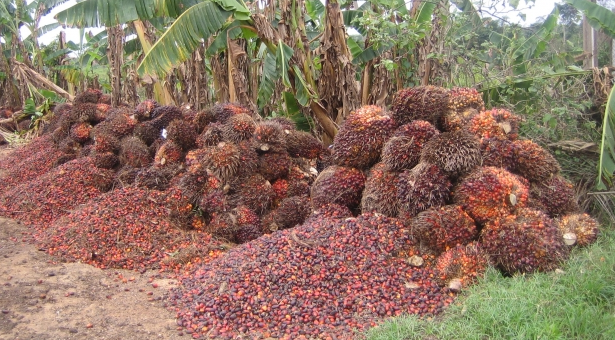
Communities in many countries of the Global South, including Colombia, Brazil, Paraguay, Argentina, Indonesia, Malaysia, and Cameroon, are already facing the consequences of vast and rapidly expanding monoculture plantations of oil palm, soy, and other crops in demand for biofuels. This has devastating impacts on small farmers and indigenous communities, including health effects due to the intensive use of pesticides. We do not want to witness what could happen in these countries if biofuel production escalates to meet the demand of such a giant industry—international shipping”, the NGOs said.
Another consequence of liquid biofuel production, they noted, is that it risks exacerbating existing gender-based inequalities, thereby contributing to the socio-economic marginalisation of women, threatening their livelihoods, and particularly their food security.

In conclusion, the groups stated that sustainable solutions for decarbonising the shipping sector already exist. These include improving energy efficiency through stricter standards and innovative ship designs, as well as adopting advanced propulsion technologies like wind assistance. Reducing the volume of goods transported by sea is also a vital step in lessening the environmental impact of global trade.

Janefrances Ebere Chibuzor is a Tourism Writer at THEWILL