
-
The Central Bank of Nigeria says its decision to revoke the licences of 46 microfinance banks was aimed at protecting depositors and strengthening regulatory compliance across the financial sector.
-
Governor Olayemi Cardoso also assured customers those banks yet to meet new capital requirements remain under close regulatory supervision and pose no immediate risk to depositors.
-
The CBN maintained that all ₦100 notes remain legal tender, attributing the scarcity of lower denominations to changing consumer demand rather than any withdrawal policy.
-
The remarks underscore the central bank’s broader strategy of reinforcing financial stability while accelerating financial inclusion through increased adoption of digital payments.
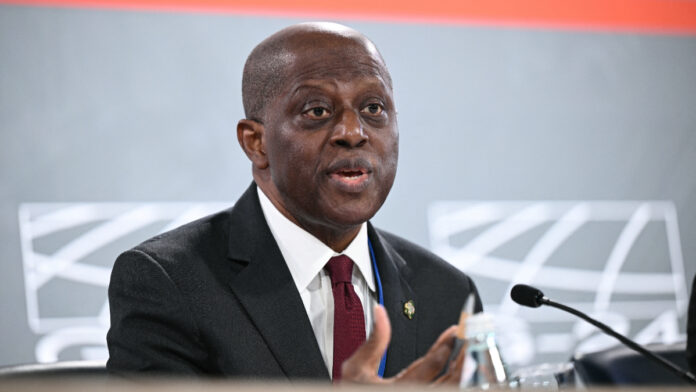
July 21, (THEWILL) — Governor of the Central Bank of Nigeria (CBN), Olayemi Cardoso, has defended the decision to revoke the licences of 46 microfinance banks, insisting the move was necessary to protect depositors’ funds while signalling that stricter regulatory enforcement will remain a defining feature of the country’s financial sector reforms.
Addressing journalists at the Monetary Policy Committee (MPC) meeting on Tuesday, July 21, 2026, Cardoso said the affected institutions were sanctioned over long-standing compliance and supervisory breaches, stressing that the central bank would not compromise financial stability in its regulatory oversight.
“The important thing for us is to ensure that we can, at all times, support and protect depositors’ money,” Cardoso said, adding that the severity of future regulatory actions would continue to depend on the nature of infractions identified by supervisors.

The comments provide the clearest indication yet that the CBN intends to intensify supervision across Nigeria’s financial sector as part of broader reforms aimed at restoring confidence following years of weak regulatory compliance among some financial institutions.
Cardoso said the withdrawal of licences had already triggered what he described as a “shake-up” across the microfinance banking industry, encouraging operators to strengthen governance standards, improve capital adequacy and comply more closely with prudential regulations.
Although the governor did not indicate whether further licence revocations were imminent, his remarks suggest the regulator is prepared to continue taking enforcement actions where institutions fail to meet minimum supervisory standards.
For investors and depositors, the message was intended to reinforce confidence that regulatory intervention would prioritise financial system stability over preserving weak institutions.
CBN reassures customers
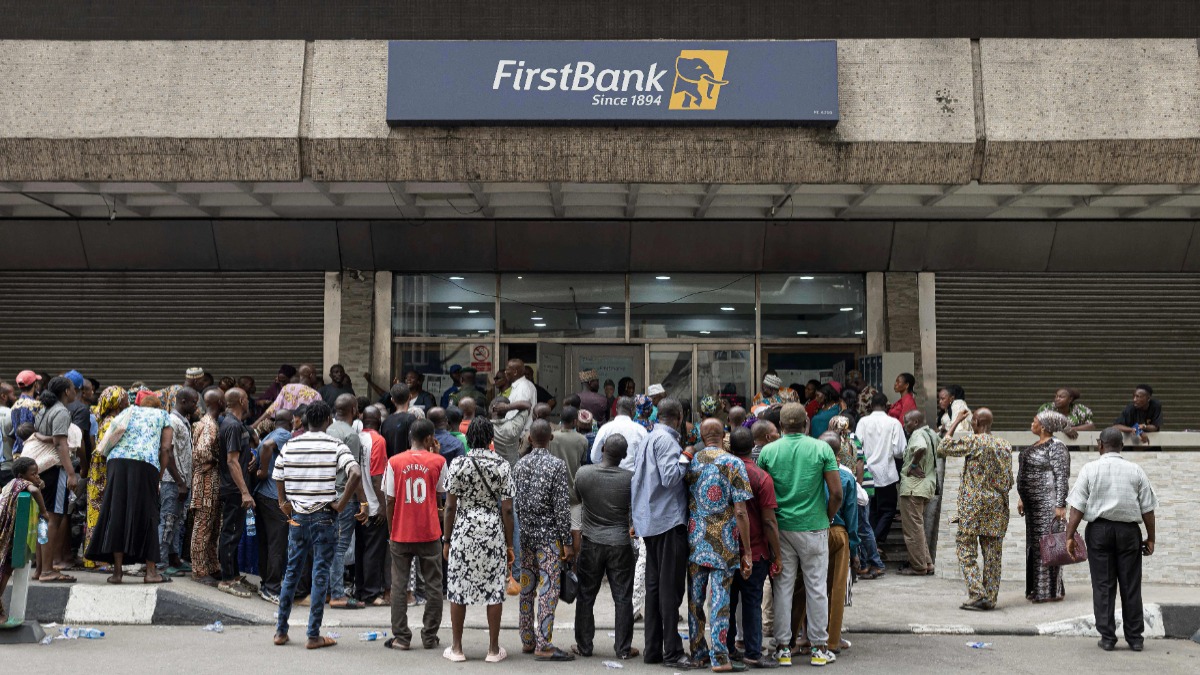
According to the governor, 33 of Nigeria’s 37 banks successfully raised the required capital within the deadline, making the recapitalisation programme one of the most successful banking sector reforms in recent years.
He attributed the delays affecting the remaining institutions largely to previous regulatory interventions that interrupted their recapitalisation efforts, noting that the central bank is working with them on several alternatives to achieve full compliance.
“As far as we are concerned, they are on track,” Cardoso said, assuring customers they could “go on with your normal business” because the affected institutions remain under the CBN’s guidance.
The remarks are likely to reassure financial markets that the regulator does not expect any immediate systemic risks arising from the handful of banks still completing the recapitalisation process.
The governor added that stronger capital buffers, combined with tighter supervision, would reduce the likelihood of future banking crises and enable Nigerian lenders to finance larger investments across the domestic economy and the African continent.
Lower naira denominations remain legal tender – CBN
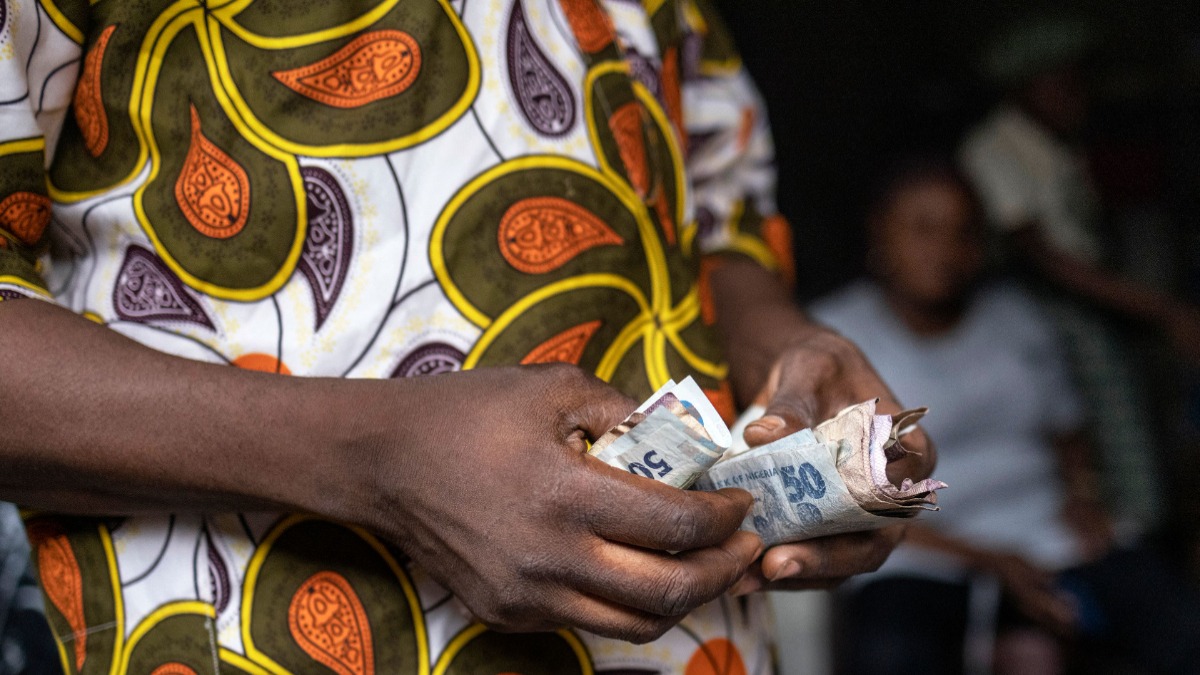
His comments reinforce the CBN’s recent clarification following reports that some businesses had begun rejecting older ₦100 notes despite no official directive withdrawing them from circulation.
Rather than signalling any currency redesign or withdrawal programme, the governor attributed the reduced availability of smaller denominations primarily to changing payment habits and declining demand for physical cash.
“The question as to why we do not have as many of them in circulation… is a question of demand and supply,” he said.
Cardoso said the CBN’s long-term objective is to expand financial inclusion by accelerating digital payment adoption, arguing that increasing reliance on electronic transactions will naturally reduce demand for lower-denomination notes and coins.
He pointed to the central bank’s recently unveiled payments vision, which targets significant improvements in financial inclusion over the next two years, describing digitalisation as an irreversible global trend.
“You are likely to find less and less demand for these denominations,” Cardoso said, adding that currency depreciation had also reduced the purchasing power of smaller-value notes.
Drawing comparisons with advanced economies, the governor noted that many businesses overseas increasingly operate without cash, relying instead on card and electronic payment systems.
“The world is moving in a particular direction, and we won’t be left out,” he said, while acknowledging that Nigeria’s transition would occur gradually rather than overnight.
Broader policy signals
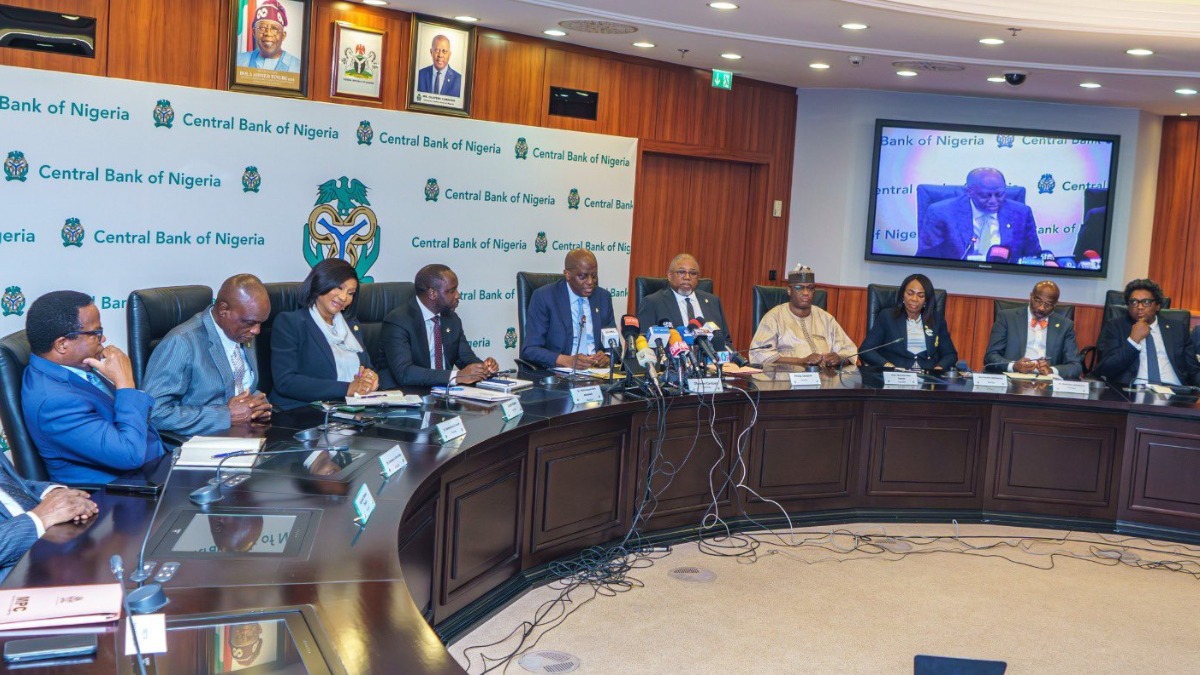
While the MPC’s decision to hold the benchmark interest rate at 26.5% underscores its determination to restore price stability, the accompanying press conference suggests the central bank is simultaneously pursuing a broader financial-sector agenda centred on stronger banking supervision, higher capital standards, enhanced depositor protection and a faster transition towards a digitally driven financial system.
For businesses, the message is that regulatory expectations are likely to become more stringent, particularly for financial institutions. For investors, the emphasis on stronger bank balance sheets and supervisory oversight is intended to bolster confidence in the resilience of Nigeria’s banking sector.
And for households, the CBN’s comments indicate that although cash will remain in circulation, the country’s payment ecosystem is expected to become increasingly digital as financial inclusion expands.
Together, the MPC decision and Cardoso’s remarks suggest the central bank is seeking not only to contain inflation through tight monetary policy but also to reshape Nigeria’s financial architecture in ways it believes will support longer-term macroeconomic stability and sustainable economic growth.

Segun Adeyemi serves as the Associate Editor of THEWILL Newspaper, leveraging more than ten years of editorial expertise and a proven track record in mainstream journalism.
