
-
Nigeria’s government is developing a framework to reduce the cost of capital without introducing new subsidies in a bid to stimulate private investment and economic growth.
-
Finance Minister Taiwo Oyedele also announced that a detailed report on savings from fuel and foreign exchange subsidy reforms will soon be released.
-
He defended the Tinubu administration’s economic reforms, citing stronger investment inflows, moderating inflation and improving macroeconomic indicators.
-
The government says the next phase of reforms will focus on translating economic stability into jobs, productivity and higher household incomes.
July 30, (THEWILL) — The Federal Government is developing a new framework aimed at reducing the cost of capital without introducing fresh subsidies, in a move designed to encourage private sector investment and strengthen the impact of ongoing economic reforms.
Speaking at the 7th Africa Emerging Markets Forum in Abuja on Thursday, July 30, 2026, the Minister of Finance and Coordinating Minister of the Economy, Taiwo Oyedele, said the initiative would complement the Central Bank of Nigeria’s monetary tightening measures by making financing more affordable for businesses while inflation continues to moderate.
Oyedele described high borrowing costs as one of the biggest obstacles to economic growth, arguing that lower financing costs are necessary if recent macroeconomic reforms are to translate into increased investment and job creation.

“There is a high cost of borrowing in an economy where you need growth to deliver results from reforms.
“Within the Ministry of Finance, we are working on a framework on how to bring down the cost of capital without introducing subsidies because we believe we can complement the work of the monetary authorities,” he said.
FG to Publish Subsidy Savings Report
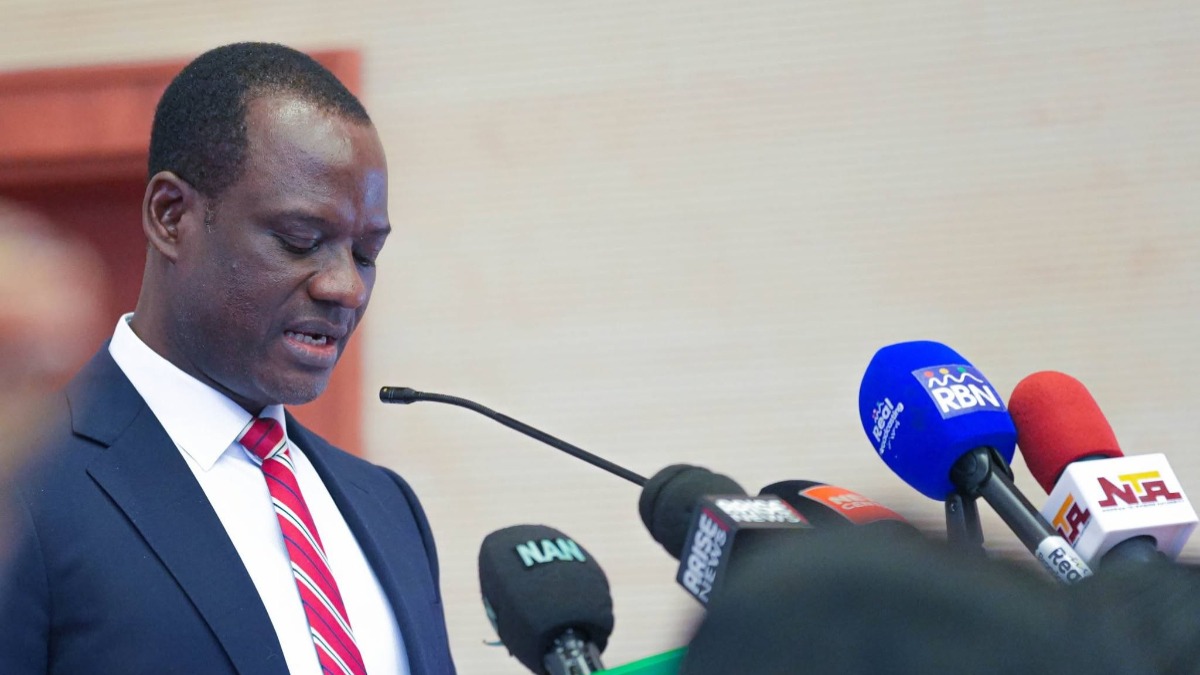
The minister also announced that the government would shortly publish a detailed account of the savings generated from the removal of fuel and foreign exchange subsidies, alongside an explanation of how those funds have been spent.
The planned report comes amid growing public scrutiny over whether the benefits of the administration’s reforms have translated into tangible improvements in living standards.
According to Oyedele, the combined fiscal cost of fuel and foreign exchange subsidies previously amounted to about five per cent of Nigeria’s gross domestic product.
“In a few days, you will see the detailed analysis because we believe we owe a duty to explain what we do to the Nigerian people. That’s what transparency looks like,” he said.
He explained that much of the savings had been absorbed by new fiscal obligations, including higher debt servicing costs following the end of deficit financing through central bank lending, implementation of the new ₦70,000 national minimum wage and expanded social intervention programmes.
Oyedele noted that government borrowing costs had risen sharply from about eight per cent before the reforms to as much as 24 per cent, while the increase in the minimum wage from ₦30,000 to ₦70,000 had significantly increased personnel costs.
He also said the Nigerian Education Loan Fund (NELFUND) had provided tuition support and monthly stipends to more than 1.5 million students.
Responding to questions over continued government borrowing despite stronger-than-expected revenue collection, the minister argued that exceeding revenue targets does not eliminate the need for deficit financing where expenditure remains higher than income.
He maintained that borrowing remains appropriate provided it is directed towards productive investments capable of generating returns above financing costs.
The minister defended the Tinubu administration’s economic reform programme, saying difficult policy decisions had been necessary to address long-standing distortions in the economy. He cited foreign exchange liberalisation, the removal of fuel subsidies, fiscal consolidation and tax reforms as the core pillars of the government’s strategy.
Minister says reforms must now deliver jobs and incomes

According to Oyedele, recent tax reforms have removed several taxes affecting small businesses and manufacturers, expanded VAT input credits for manufacturers, eliminated withholding tax on manufacturing activities and exempted essential goods and services from value-added tax.
He argued that the reforms are beginning to produce measurable economic improvements, pointing to stronger capital inflows, first-quarter GDP growth of 3.89 per cent and expansion of the non-oil economy as evidence of increasing diversification.
The minister also highlighted improvements in external reserves, easing inflation, the successful recapitalisation of Nigerian banks and the country’s removal from the Financial Action Task Force grey list as indicators of improving investor confidence.
“Capital has no passports, no charm and no patriotic loyalty. It responds to evidence, not rhetoric. Every one of these is a fact you can verify, not a claim you have to trust,” he said.
Despite the positive macroeconomic indicators, Oyedele acknowledged that stabilising the economy alone would not be sufficient, stressing that the next phase of the government’s agenda must focus on translating stability into higher productivity, employment and rising household incomes.
“A stable economy can still be a stagnant one if growth is weak. We have done the gruelling foundational work of the first phase. Our task now is converting that stability into investment, investment into productivity, productivity into decent jobs and decent jobs into incomes that Nigerian families can actually feel.”
He added that government had expanded cash transfer programmes to 15 million vulnerable households, while a recently launched initiative worth more than $3 billion would support primary healthcare, basic education and displaced communities.
The minister also rejected claims that recent reforms had permanently deepened poverty, arguing that although subsidy removal initially reduced purchasing power, the measures were necessary to restore fiscal sustainability. Going forward, he said the government would assess economic performance using multidimensional poverty, real per capita income growth and income inequality indicators to determine whether growth is becoming more inclusive.
Oyedele further disclosed that preliminary government analysis suggests the economic cost of excessive regulation, bureaucracy and inconsistent policies exceeds the combined revenue generated from corporate income tax, personal income tax and value-added tax, underscoring the need for further structural reforms.
Looking ahead, he reaffirmed the administration’s ambition of growing Nigeria into a $1 trillion economy by 2030, while emphasising that macroeconomic stability must ultimately deliver broader prosperity for households and businesses.

Segun Adeyemi serves as the Associate Editor of THEWILL Newspaper, leveraging more than ten years of editorial expertise and a proven track record in mainstream journalism.
