
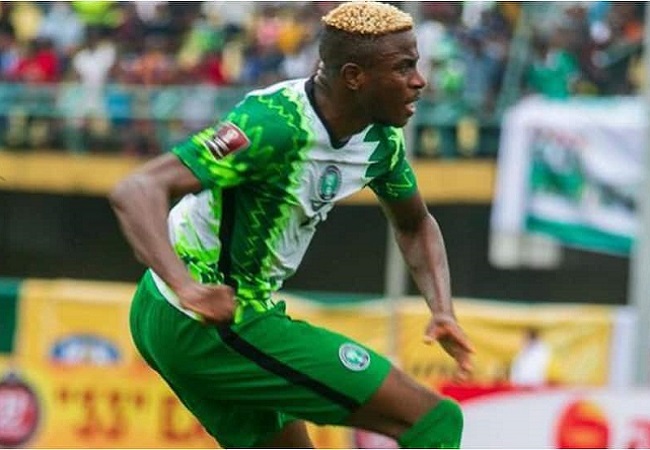
October 13, (THEWILL) – In what has become a recurring theme for Nigerian football, Augustine Eguavoen is back in the hot seat as interim head coach of the Super Eagles. The Nigerian Football Federation’s (NFF) failure to secure a permanent coach since the departure of Jose Peseiro in March has once again thrust the Technical Director into a familiar role. This time, Eguavoen faces the critical task of guiding Nigeria through the third round of the 2025 Africa Cup of Nations (AFCON) qualifiers, with the recent 1-0 win against Libya, adding a narrow yet crucial three points to Nigeria’s campaign.
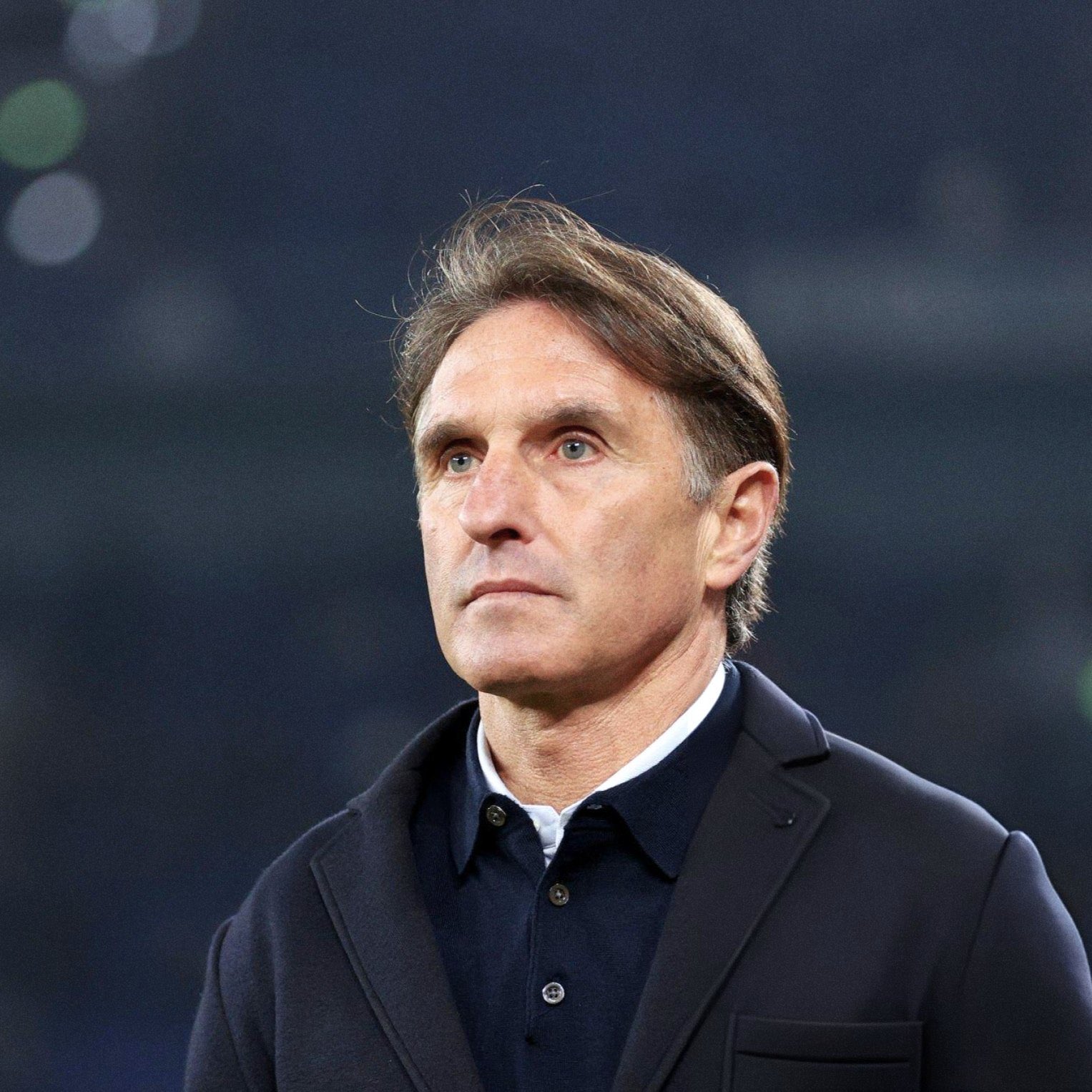
Eguavoen’s return was necessitated by the NFF’s mishandling of the latest in a series of attempts to secure a substantive coach for the senior men’s national team. Two months ago, the Federation, which had previously announced late at night that German manager Bruno Labbadia had been appointed the next handler of the Super Eagles, rescinded that appointment due to what they stated were unresolved tax complications.
Despite initially reaching an agreement in principle, the deal fell apart when Labbadia demanded that the NFF cover the taxes owed to German authorities, which would have amounted to an additional 32 per cent to 40 per cent of his salary. NFF President Ibrahim Musa Gusau explained that the tax issue was not part of the original discussions and that the Federation could not afford the unexpected financial burden.

With Labbadia’s appointment cancelled, the NFF turned to Eguavoen, the Federation’s Technical Director, to lead the team through the upcoming 2025 Africa Cup of Nations qualifiers. Eguavoen’s return, after previously serving as head coach of the national team on three occasions, has been welcome by some, just as it has reignited concerns about the Super Eagles’ coaching dynamics and the Federation’s long-standing inability to maintain stable leadership for the national team. As Nigeria prepares for the reverse fixture against Libya, the broader implications of this interim appointment remain a subject of intense scrutiny.
In the recent match against Libya on Friday, at the Godswill Akpabio Stadium, Eguavoen made several tactical adjustments that proved instrumental in securing victory. Opting for a 4-3-3 formation—after initially favouring a 3-4-3 setup in earlier matches—Eguavoen introduced several changes to the starting lineup. Frank Onyedika, earning his first start in the qualifiers, was given a key role in midfield alongside Alex Iwobi and Moses Simon, both of whom were brought into the fold for this important fixture.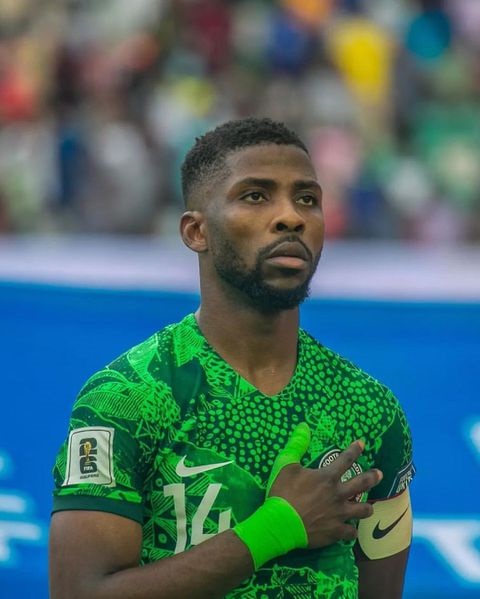
The tactical shift allowed Nigeria to dominate large portions of the game, creating multiple opportunities to break the deadlock. However, Libya’s goalkeeper, Murad Al Wuheeshi, produced a series of impressive saves, denying efforts from Iwobi, Ademola Lookman, and Victor Boniface. Despite Nigeria’s attacking pressure, the match remained goalless until the 86th minute, when substitute Fisayo Dele-Bashiru netted the decisive goal. Moses Simon, providing the crucial assist, ensured the Super Eagles secured all three points.
The victory solidified Nigeria’s position in the qualifying group, but questions remain about the squad selection process, particularly regarding the inclusion of Kelechi Iheanacho. Although Iheanacho was invited, he remained on the bench throughout the game. His current form at the club level has been a point of contention among fans, with many questioning whether he warranted a place in the squad at all, given his struggles to make a consistent impact for Sevilla.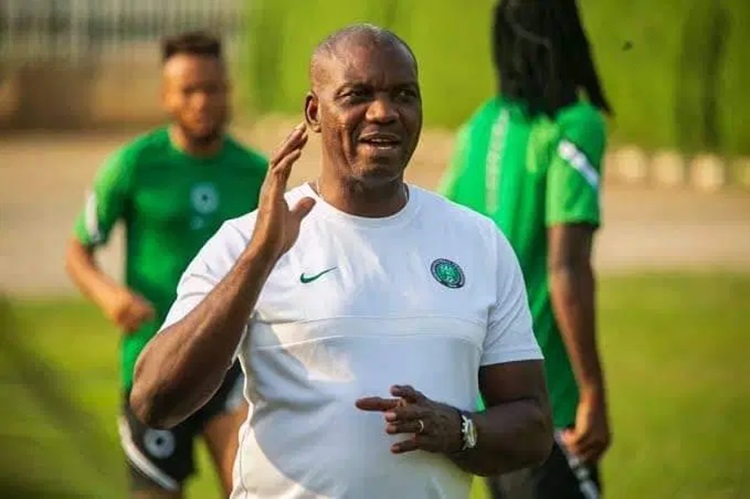
While the victory against Libya brought a sigh of relief to many Nigerian football fans, there has been significant debate surrounding some of Eguavoen’s decisions, particularly in terms of player selection.
The absence of Victor Osimhen due to injury was a known setback, but Eguavoen’s decision to include Iheanacho despite his inconsistent performances for his club raised eyebrows. Fans were vocal on social media, questioning the wisdom of inviting a player who has not been at his best, especially when there are in-form alternatives available.
Iheanacho’s exclusion from the starting lineup was widely expected, but his presence in the squad has been seen as indicative of larger issues in the Super Eagles’ selection process. Critics argue that the NFF and coaching staff must prioritise players who are in top form, particularly in crucial matches like AFCON qualifiers, where every point matters.
The narrow victory against Libya has not fully assuaged these concerns, and many are calling for a more merit-based approach to squad selection moving forward. With key players like Osimhen unavailable, Nigeria cannot afford to carry passengers in the team, and each selection decision will come under increasing scrutiny as the qualifiers progress.
Eguavoen’s role as interim head coach, while necessary in the short term, raises important questions about the future of the Super Eagles’ coaching setup. The NFF’s ongoing failure to secure a permanent, high-calibre coach is not only a reflection of administrative challenges but also a source of instability for the team. Eguavoen, despite his experience and dedication, is widely regarded as a stop-gap solution, and many wonder if he has the tactical acumen to lead Nigeria through this campaign and beyond.
The narrow win over Libya highlighted both the strengths and weaknesses of Eguavoen’s approach. On the one hand, his tactical shift to a 4-3-3 formation demonstrated a willingness to adapt and optimise the team’s strengths. On the other hand, the lack of clinical finishing and the reliance on a late goal from a substitute underscored the team’s ongoing struggles in the final third.
The road to AFCON qualification is far from over, and Eguavoen’s immediate challenge is to ensure Nigeria builds on the momentum from the first leg victory over Libya. With Nigeria leading group D on seven points, the reverse fixture will be critical, and the pressure will be on to deliver a more convincing performance. While the 1-0 win secured three points, the Super Eagles will need to improve their overall play if they are to avoid slipping up in future matches.
One of Eguavoen’s key tasks moving forward will be to integrate younger, in-form players into the squad while ensuring that the team remains tactically disciplined and play as a unit rather than individual stars. The absence of Osimhen and Boniface’s questionable goalscoring form for country, as opposed to his clinical finishing for club, have left a noticeable gap in Nigeria’s attacking options, but players like Lookman, Moses Simon and Fisayo Dele-Bashiru have shown promise and could play pivotal roles in upcoming fixtures.
While Augustine Eguavoen’s return as interim head coach has provided short-term stability, the broader issue of Nigeria’s coaching future remains unresolved. The NFF’s inability to secure a substantive coach reflects deeper systemic challenges within Nigerian football, and until these are addressed, the Super Eagles are likely to continue facing periods of uncertainty.
The narrow win against Libya was an important step in the right direction, but it also highlighted the need for more consistent performances and better squad management. As Nigeria navigates the remaining qualifiers, the focus must be on finding a long-term solution that provides the team with both tactical stability and a clear vision for the future. Eguavoen has done his part, but the Super Eagles need a permanent leader who can take them to the next level.
For now, all eyes are on the reverse fixture against Libya, where Eguavoen and his squad will look to consolidate their position in the group and move one step closer to AFCON qualification.

Jude Obafemi is a versatile senior Correspondent at THEWILL Newspapers, excelling in sourcing, researching, and delivering sports news stories for both print and digital publications.
