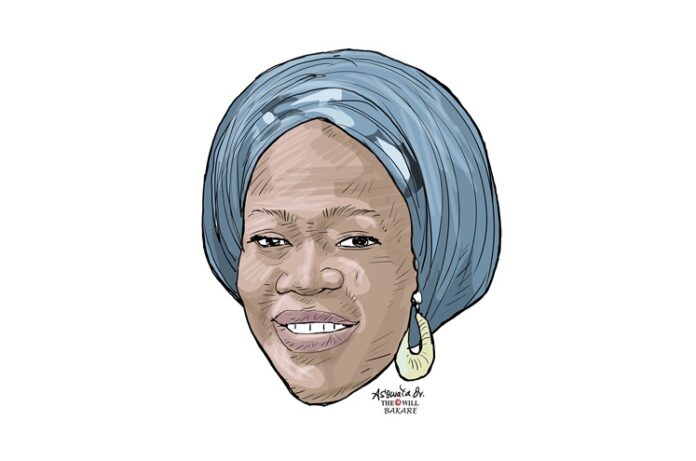
October 20, (THEWILL) — The National Co-ordinator, Pragmatic Shareholders’ Association, Mrs Bisi Bakare, has applauded the strategic reforms in the economy, especially those that relate to the financial services sector. In this interview, she extols the role of the shareholder associations in protecting investors’ interest and ensuring constructive engagement with the regulatory authorities. She spoke to Business Editor, SAM DIALA.
Nigeria’s equities market has witnessed remarkable rallies since this year; as a capital market investor, what would you attribute this to?
The rally in Nigeria’s equities market stems from renewed investor confidence in government reform especially in the monetary and fiscal space aimed at improving the economy and make the capital market attractive to both local and foreign investors. A clear example is ongoing bank recapitalisation directive and insurance sector reform Law aimed to make our financial sector an effective player in the global economy and resilience to economic headwinds. With stability in foreign exchange rate and declining inflation, more companies are turning out good financial results, unlocking more business opportunities and creating value for shareholders thereby making equities a hedge and long-term investment option. Improved earnings and dividend consistency from key companies have further fueled investor enthusiasm.
Amid severe macroeconomic challenges, what is your forecast for the banking industry in the post-recapitalisation era? Do you see mergers and acquisitions ahead?
Certainly. Mergers and acquisitions are inevitable in the post-recapitalisation landscape such as we have seen in Union Bank & Titan Trust Bank as well as Providus Bank and Unity Bank. The new policy will separate strong, well-structured banks from the weaker ones. Some institutions have already initiated strategies to raise fresh capital through rights issues and private placements, while others may need to merge or be acquired. Ultimately, this process will create a more resilient, competitive, and well-capitalised banking sector capable of supporting large-scale economic growth. Transparency and investor protection, however, must remain central throughout the process.

In what ways have shareholder associations contributed to the growth of the financial services sector?
Shareholder associations are vital to good corporate governance. We act as watchdogs and advocates, ensuring transparency, fairness, and accountability in board and management decisions. By engaging regulators like the SEC and NGX, and by promoting investor education, we help strengthen corporate performance and protect minority investors. Our interventions at AGMs, and where necessary through petitions, have helped improve board accountability and long-term corporate discipline across the financial sector.
We don’t hear much about meetings or activities of the Audit Committees of quoted companies as before. What could be responsible for this lull?
Many companies have become more discreet in managing audit committee matters due to stricter corporate governance rules and confidentiality protocols. Most post-COVID AGMs now happen virtually, which has also reduced public visibility. That said, the committees remain active, with stronger focus on internal control, risk management, and compliance rather than publicity. However, I believe companies can still enhance investor trust by providing periodic updates on key audit findings and risk management practices.
We are not seeing the kind of combative atmosphere that used to feature at AGMs between shareholders and companies. What has changed?
The dynamics have changed significantly. Companies are now more proactive in engaging shareholders ahead of Annual General Meetings (AGMs), addressing major concerns in advance. At the same time, shareholder associations have evolved, we are better informed, more strategic, and focused on constructive engagement rather than confrontation. Investor education and transparency have improved, leading to more productive interactions. Dialogue has replaced hostility, which is healthier for the market and for governance stability.
More investors are buying into dormant firms with kobo stocks — companies that have maintained dividend and profit drought results. Can you explain this paradox?
It’s largely speculative investing and value hunting. Some investors see opportunities in companies that could be restructured, acquired, or revived in the future. The low share prices make them attractive for those willing to take long-term risks. Others look beyond current financial results to the hidden asset value, such as land, brand equity, or licenses which could unlock significant value if the company rebounds. That said, investors must exercise caution and carry out proper due diligence.
As a leader of the Pragmatic Shareholders Association, what has your group done to promote the competitiveness of the Nigerian equities market?
At Pragmatic Shareholders Association, we focus on advocacy, investor education, and market integrity. We regularly hold training sessions to help retail investors understand their rights and market trends. We engage regulators and listed firms to ensure fair treatment and transparency. We also encourage innovation and consistent dividend policies as tools for market growth. Our philosophy is pragmatic engagement, supporting companies that perform well and constructively challenging those that underperform. This approach promotes accountability and trust in the market.

Sam Diala is a Bloomberg Certified Financial Journalist with over a decade of experience in reporting Business and Economy. He is Business Editor at THEWILL Newspaper, and believes that work, not wishes, creates wealth.