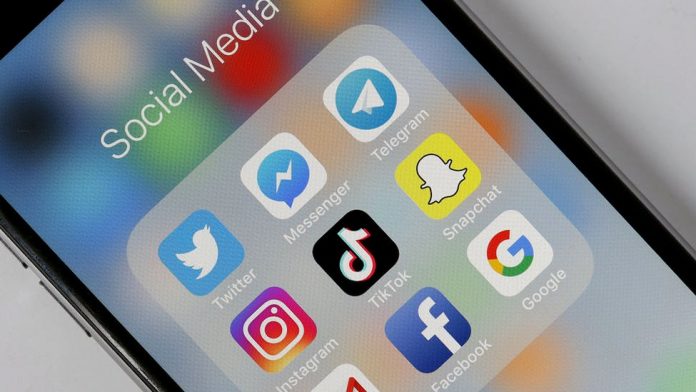
February 18, (THEWILL) — Gabon on Tuesday ordered the suspension of social media platforms across the country, citing the spread of hate speech, misinformation, and online content deemed harmful to national unity and public order.
The decision was announced by the High Authority for Communication, which directed the “immediate suspension of social media platforms in Gabon until further notice.”
Speaking in a televised statement, spokesman Jean-Claude Mendome said the regulator had observed a growing volume of what he described as “inappropriate, defamatory, hateful and insulting content” circulating online.

He warned that such material undermines human dignity, public morality, the honour of citizens, and social cohesion, while posing risks to the stability of state institutions and national security.
He added that the spread of false information, cyberbullying, and the unauthorised disclosure of personal data had also informed the decision, stressing that these practices were capable of generating social conflict and destabilising the Republic.
“Such actions are likely, in the case of Gabon, to fuel social unrest, weaken the institutions of the Republic and seriously jeopardise national unity, democratic progress and the country’s achievements,” the spokesman said.
The regulator did not specify which social media platforms would be affected by the suspension, though local reports indicate that popular apps like Facebook and TikTok became inaccessible shortly after the announcement.
However, it emphasised that freedom of expression, including the right to comment and criticise, remains a fundamental right guaranteed under Gabonese law, despite the temporary restrictions.
The social media suspension comes against the backdrop of mounting social tensions in the Central African nation. Less than a year after his election in 2025, President Brice Oligui Nguema is facing his first major wave of unrest, with teachers currently on strike and other categories of civil servants threatening industrial action.
Public school teachers began strike action in December over unpaid allowances, salaries, and poor working conditions. Similar protests have since spread to other sectors, including health, higher education, and public broadcasting, raising concerns about labour relations and social stability in the country.

Felix Ifijeh is a journalist with years of professional reporting experience. Known for his keen news sense, compelling storytelling and commitment to accurate, impactful reporting, he has built a reputation for turning leads into clear, engaging, and well-structured reports that resonate with readers. His work reflects deep newsroom experience and a commitment to accurate, impactful journalism.