
February 09, (THEWILL) — Cristiano Ronaldo’s decision to sit out two consecutive matches for Al Nassr in early February has exposed deep tensions within Saudi Arabia’s football project, raising uncomfortable questions about competitive fairness in a league where the same sovereign wealth fund controls multiple rival clubs. The 41-year-old forward, despite being fully fit and participating in training, refused to play against Al Riyadh on February 2 and Al Ittihad four days later, a protest that has reverberated far beyond the confines of domestic Saudi football.
The Portuguese star’s grievance centres on what he perceives as preferential treatment afforded to Al Hilal, the league leaders, by the Public Investment Fund, which holds controlling stakes in four major clubs including both Al Hilal and Ronaldo’s Al Nassr. The January transfer window crystallised these frustrations. While Al Nassr secured only a young midfielder on a free transfer, Al Hilal completed the high-profile signing of Karim Benzema from Al Ittihad, Ronaldo’s former Real Madrid teammate. For Ronaldo, this disparity represents a fundamental inequity that undermines his club’s capacity to compete for the title they trail by a narrow margin.
Portuguese media outlets first reported Ronaldo’s refusal to feature, with local Saudi sources subsequently confirming that the player had expressed deep dissatisfaction with the fund’s management approach. According to those close to the situation, Ronaldo trained fully throughout the week preceding both matches, even sharing photographs of himself in Al Nassr’s training kit on social media, yet declined selection when it mattered. This calculated protest marks a rare instance of a player of his stature using his participation as leverage against club ownership structures.

The Saudi Pro League responded with a carefully worded statement emphasising that all clubs operate independently under the same regulatory framework and that no individual, regardless of status, influences decisions beyond their own club. League officials praised Ronaldo’s contribution to raising the competition’s profile since his arrival in January 2023 but made clear their position: sporting and financial governance follows structured parameters designed to ensure competitive balance, and transfer decisions remain the responsibility of individual club boards. The message was firm and pointed, a reminder that even football’s most recognisable figure cannot dictate policy.
Al Nassr’s head coach, Jorge Jesus, has previously voiced concerns about the league’s structure, suggesting his club lacks the political influence enjoyed by certain rivals. These comments align with Ronaldo’s position, though Jesus has stopped short of directly criticising the Public Investment Fund. Reports also indicate that two Portuguese executives who held significant sway within Al Nassr saw their decision-making powers curtailed, potentially leaving Ronaldo feeling isolated at a crucial juncture. The combination of limited transfer activity, perceived institutional imbalance and internal restructuring created conditions ripe for confrontation.
Fan reaction has been predictably divided. During the seventh minute of the match against Al Ittihad, supporters held aloft yellow cards bearing the number seven, Ronaldo’s jersey number, whilst chanting his name in solidarity. Many understand his desire for stronger reinforcement and share his frustration at finishing second in previous seasons. Others, however, criticise what they view as prioritising personal grievances over collective responsibility, arguing that a player of his remuneration should fulfil his obligations regardless of behind-the-scenes disputes.
Remarkably, Al Nassr coped admirably in his absence. They defeated Al Riyadh 1-0 and secured a 2-0 victory over Al Ittihad, with Sadio Mané assuming attacking responsibilities and other squad members demonstrating considerable depth. Statistics from the Al Ittihad match showed Al Nassr registering 16 shots to their opponents’ five, underlining their dominance. These results imply the squad possesses sufficient quality to compete without their talismanic forward, at least in the short term, though the long-term impact on morale and performance remains uncertain.
Yet the absence carries consequences beyond the pitch. Ronaldo’s presence drives global viewership, sponsorship revenue and ticket sales. He is the face of the league’s international ambitions, the player who legitimised Saudi football’s aspirations when he arrived three years ago. Since joining Al Nassr, he has scored 91 goals in 95 league appearances, making him indispensable from both sporting and commercial perspectives. His continued absence threatens to undermine the league’s credibility precisely as Saudi Arabia prepares to host the 2034 World Cup.
The timing is particularly poignant given Ronaldo’s age. He turned 41 on 5th February, just days before his second consecutive absence, and has publicly stated his ambition to reach 1,000 career goals before retirement. Every missed match diminishes his opportunity to achieve that milestone. That he chooses to sit out despite these considerations demonstrates the depth of his frustration and his determination to secure meaningful support for Al Nassr’s title ambitions during his remaining seasons.
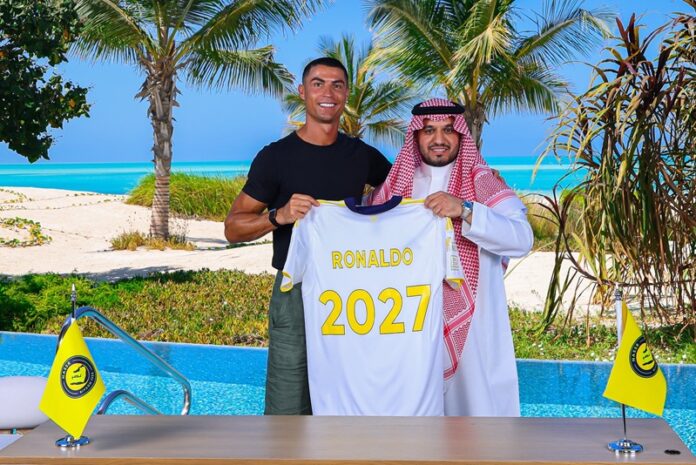
Speculation about his future has inevitably intensified. Reports suggest his contract contains a release clause worth £56 million that could be activated in the summer, with clubs from Europe and the United States monitoring developments. Whether he exercises that option depends largely on how the Public Investment Fund responds to his protest. Ronaldo extended his deal until 2027 last June, indicating commitment, but this episode raises genuine questions about his willingness to continue if structural issues remain unresolved.
For the Saudi Pro League, the dispute represents a critical test. The competition has invested enormous resources in attracting global talent to enhance its reputation, yet if star players publicly question the internal functioning of their clubs, it invites scrutiny about whether the ownership model compromises competitive integrity. Ronaldo’s stance forces difficult conversations about how centralised funding can coexist with genuine sporting competition.
Al Nassr hopes he will return for their Asian Champions League fixture on February 11, offering a potential avenue for reconciliation. His experience in major tournaments would be invaluable, and his presence would signal that differences are being addressed. The coming weeks will determine whether this proves a temporary flashpoint or the beginning of a more profound rupture between Saudi football’s most valuable asset and the institutions controlling its future. What remains beyond doubt is that Ronaldo’s boycott has illuminated tensions that the league can no longer afford to ignore.

Jude Obafemi is a versatile senior Correspondent at THEWILL Newspapers, excelling in sourcing, researching, and delivering sports news stories for both print and digital publications.
