April 08, (THEWILL) — The Independent National Electoral Commission (INEC) has warned that the gravest threat to the 2027 general elections will not be a ballot-snatcher’s gun but lies spread via smartphones and amplified by uncritical broadcast media.
The commission urged Nigerian media organisations to uphold truth and professionalism, stressing that “disinformation could seriously undermine the credibility of elections, voter confidence, and the integrity of democratic processes.”
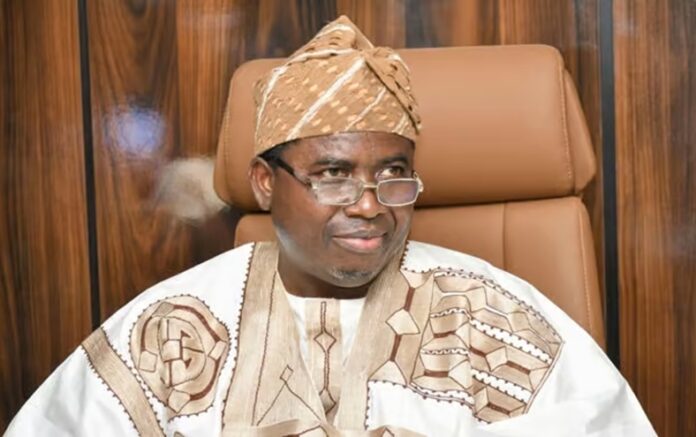
Speaking at the 81st General Assembly of the Broadcasting Organisations of Nigeria (BON) on Wednesday in Abuja, INEC Chairman Joash Ojo Amupitan emphasized that, while the Electoral Act 2026 is progressive in intent, key provisions remain ambiguous—especially the standard of “equitable access” to broadcast media.

“Without clear criteria for compliance, fairness in media coverage could be compromised, affecting the level playing field for all political actors,” he warned.
Amupitan highlighted persistent challenges in broadcast media management.
“Notwithstanding the regulatory framework established under the Electoral Act 2026, the practical management of broadcast media during elections in Nigeria continues to face significant challenges that undermine the realisation of electoral fairness,” he said.
Amupitan noted that incumbents continue to dominate coverage, particularly through state-owned outlets, adding that “Election observation reports have consistently shown that ruling parties enjoy disproportionate access to airtime and more favourable coverage, thereby skewing political visibility and influencing voter perception.”
He further stressed the impact of commercialisation on political communication, saying, “In practice, access to broadcast platforms is often determined by the ability to pay for political advertisements or sponsored programmes.
As experts have observed, this trend transforms political communication into a market commodity, where financial strength rather than the merit of ideas dictates visibility. The consequence is a narrowing of the political space, with dominant actors crowding out alternative voices.”
On voter mobilisation, Amupitan appealed to media organisations: “A democracy experiencing voter apathy is a backsliding democracy. Since elections are the lifeblood of democracy, help us mobilise Nigerians to come out and exercise their franchise in the coming elections.”
He warned that “In this 2027 roadmap, the temptation to prioritise high-paying political adverts over balanced reporting will be great. I urge you to choose the sanctity of the ballot.
In the 2027 general election, the most dangerous weapon will not be a ballot-snatcher’s gun but a smartphone user’s lie amplified by an uncritical broadcast station.”
The INEC Chairman also highlighted regulatory challenges posed by digital convergence, noting that “Emerging dynamics such as the convergence of traditional and digital media further complicate regulatory efforts, exposing gaps in the existing framework.”
He stressed that effective airwaves management requires a holistic approach: “Legal reforms must provide clear standards and robust enforcement mechanisms; institutional reforms must ensure independence, coordination, and accountability; while industry actors must uphold professional ethics and transparency in their operations.”
Amupitan pointed out that issues such as incumbency advantage, commercialisation of political airtime, weak enforcement mechanisms, and institutional fragmentation continue to undermine equitable media access.
“Only through this multi-layered approach can the objectives of fairness and inclusiveness in electoral communication be achieved,” he said.
As political parties embark on primaries, he reminded broadcasters of their legal and ethical responsibilities:
“With 21 registered parties now in the ecosystem, your equal time obligations must be guided by the official leadership records held by INEC.”
He stressed that the airwaves must promote democratic accountability and informed voter choice:
“To facilitate the consolidation of Nigeria’s democracy through the broadcast media, it is essential to ensure that the airwaves are managed in a manner that promotes equal opportunity, informed choice, and democratic accountability.”
Amupitan made a final appeal to media organisations: “We must ensure that the airwaves of Nigeria remain a sanctuary for the truth, not a megaphone for chaos. We urge you to promote accurate reporting at all times.”

Felix Ifijeh is a journalist with years of professional reporting experience. Known for his keen news sense, compelling storytelling and commitment to accurate, impactful reporting, he has built a reputation for turning leads into clear, engaging, and well-structured reports that resonate with readers. His work reflects deep newsroom experience and a commitment to accurate, impactful journalism.