
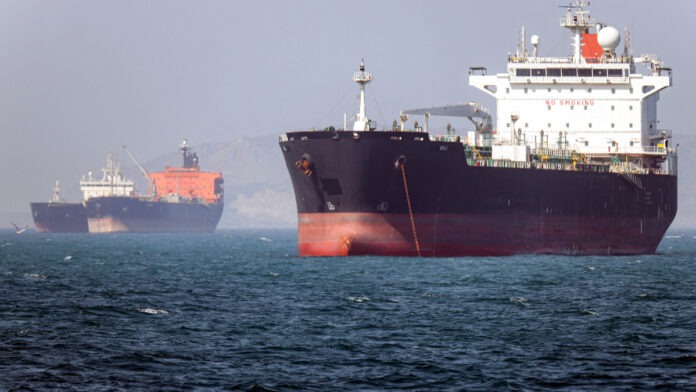
• Brent crude climbed above $95 per barrel for the first time in six weeks as renewed conflict in the Middle East heightened fears of disruptions to global oil supplies.
• The price rally is already affecting Nigeria, with petrol prices rising in Abuja as households and businesses face renewed inflationary pressure.
• The International Energy Agency warned that refined fuel markets remain tighter than crude supplies despite emergency oil releases and increased exports from major producers.
• Analysts say prolonged disruptions around the Strait of Hormuz could push oil prices even higher, posing fresh risks to global energy security and African economies.
July 23, (THEWILL) — Brent crude, Nigeria’s key oil benchmark, climbed above $95 a barrel for the first time in six weeks on Tuesday, as escalating hostilities in the Middle East renewed fears of prolonged disruptions to global energy supplies and pushed fuel prices higher in Africa’s largest economy.
Brent crude rose to an intraday high of $95.24 before easing to around $94.40, marking a gain of more than 3% from the previous trading session. The latest rally follows renewed military exchanges involving the United States and Iran around the Strait of Hormuz, alongside threats by Yemen’s Houthi rebels to target vessels transporting Saudi crude through the Bab el-Mandeb Strait.
The surge reverses a sharp decline that saw Brent retreat to about $71 a barrel at the beginning of July after peaking near $126 in April during an earlier phase of the conflict.

Higher crude prices hit Nigeria
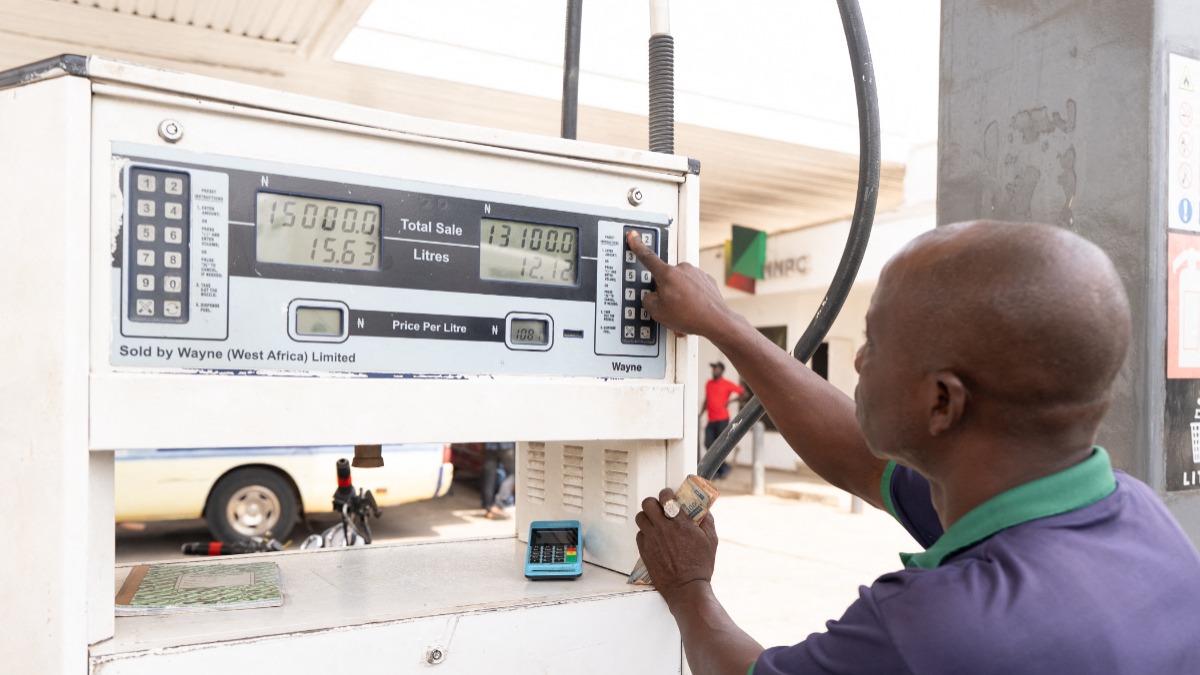
The impact is already being felt in Nigeria, where higher global crude prices have translated into rising petrol costs. In Abuja, pump prices have increased from about ₦1,155 per liter to approximately ₦1,350 per liter, adding further pressure on households and businesses already grappling with elevated living costs.
The latest increase in oil prices comes after an 11th consecutive night of strikes on Iran, targeting aircraft hangars and drone storage facilities despite ongoing diplomatic efforts to revive an interim ceasefire. US President Donald Trump has indicated that military operations would intensify, while warning of further action should Iranian attacks on shipping continue.
Analysts say the renewed conflict has reignited concerns over the security of the Strait of Hormuz, through which roughly a fifth of the world’s oil supply passes. Goldman Sachs has warned that Brent crude could climb to as high as $120 a barrel by the end of the year if exports through the strategic waterway remain disrupted.
IEA warns of tighter fuel supplies
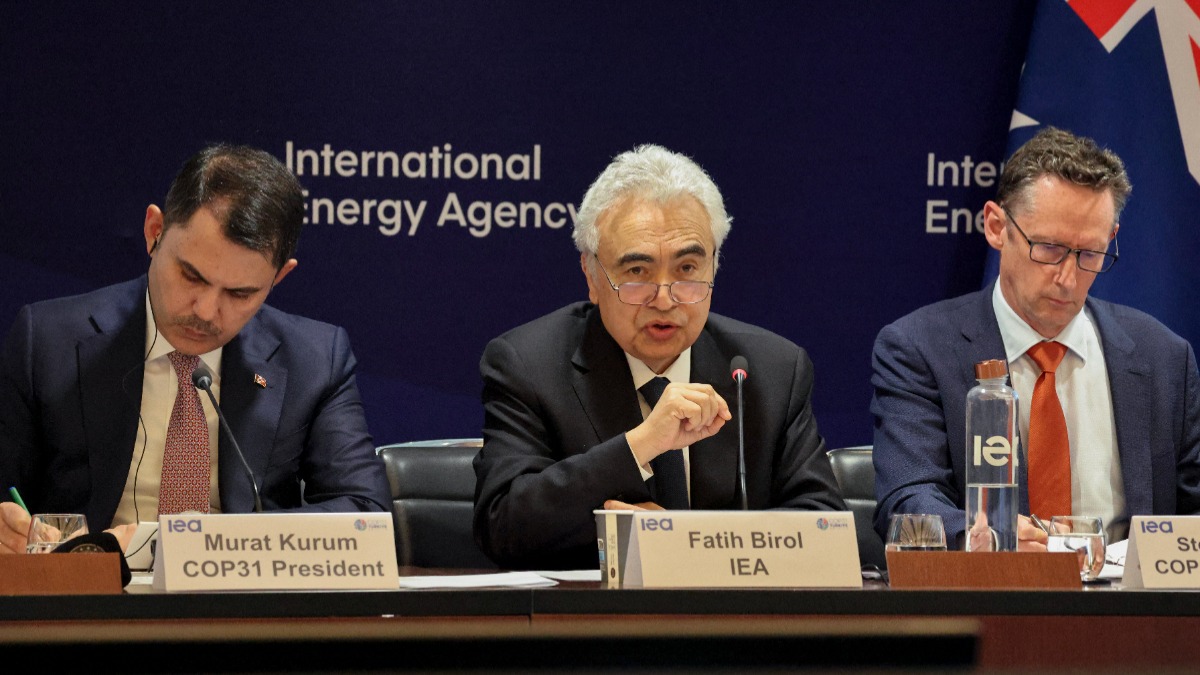
The International Energy Agency (IEA) said global energy markets have so far been cushioned by emergency measures, including the release of approximately 400 million barrels of strategic oil reserves by member countries and increased exports from Saudi Arabia and the United Arab Emirates through alternative routes.
Additional support has come from higher production by other oil-exporting nations and weaker demand from major consumers such as China, helping prevent a more severe supply shock.
However, IEA Executive Director Fatih Birol warned that risks remain elevated because supplies of refined petroleum products such as diesel and petrol have tightened more sharply than crude itself.
“Refinery activity and product supplies have not picked up as much as crude deliveries, meaning that markets for refined oil products, including diesel and gasoline, are considerably tighter than those for crude,” Birol said.
He added that a “full and unconditional reopening of the Strait of Hormuz” would be essential to prevent a further deterioration in global energy security.
Beyond oil, the conflict is also tightening global natural gas markets. Although increased exports from the United States and Canada have helped offset much of the lost Gulf supply, the IEA warned that gas availability could remain constrained ahead of winter as European countries seek to rebuild depleted storage.
For Nigeria, where higher crude prices boost government oil revenues but also raise domestic fuel costs, the latest geopolitical escalation presents a familiar dilemma: stronger export earnings alongside rising inflationary pressures that could further squeeze consumers and businesses.

Segun Adeyemi serves as the Associate Editor of THEWILL Newspaper, leveraging more than ten years of editorial expertise and a proven track record in mainstream journalism.
