

• Nigeria’s external reserves have exceeded $52 billion, reaching their highest level in more than 17 years and surpassing the Central Bank of Nigeria’s 2026 target.
• Analysts attribute the milestone to higher crude oil revenues, stronger export performance and improving foreign capital inflows.
• The increase comes as the CBN maintained its benchmark interest rate at 26.5%, signalling its commitment to a tight monetary policy stance despite easing inflation.
• The stronger reserve position is expected to support exchange-rate stability and reinforce investor confidence in Africa’s largest economy.
July 23, (THEWILL) — Nigeria’s external reserves have climbed above $52 billion for the first time in more than 17 years, surpassing the Central Bank of Nigeria’s (CBN) 2026 target as stronger oil earnings, improving exports and renewed foreign capital inflows bolster the country’s external position.
Data published by the CBN showed that external reserves stood at $52.02 billion on 20 July, exceeding the bank’s full-year projection of approximately $51.04 billion. The latest figure is the highest since January 2009, when reserves reached about $52.01 billion.
The reserves increased by roughly $570 million from $51.45 billion at the end of June, extending a steady upward trend that has gathered pace over the past three months.

Nigeria’s reserve accumulation accelerated in June, rising from $49.58 billion at the end of May to $51.45 billion by month-end before crossing the $52 billion threshold in July.
Analysts attribute the improvement largely to higher crude oil receipts, stronger export performance and increased foreign investment inflows.
Jerry Igwilo, chief executive of Nisela Capital Limited, said stronger international crude oil prices had significantly increased Nigeria’s foreign exchange earnings.
“Higher crude oil prices have increased the amount of dollars Nigeria earns from crude exports, strengthening the country’s foreign currency reserves,” he said.
Muda Yusuf, chief executive of the Centre for the Promotion of Private Enterprise (CPPE), said the reserve growth also reflected improving investor sentiment and stronger trade performance.
“It takes a great deal of confidence in an economy for foreign capital to flow in. We have seen significant improvement in portfolio inflows, while export performance has continued to strengthen, with Nigeria recording trade surpluses for some time,” Yusuf said.
CBN holds rates as reserves strengthen

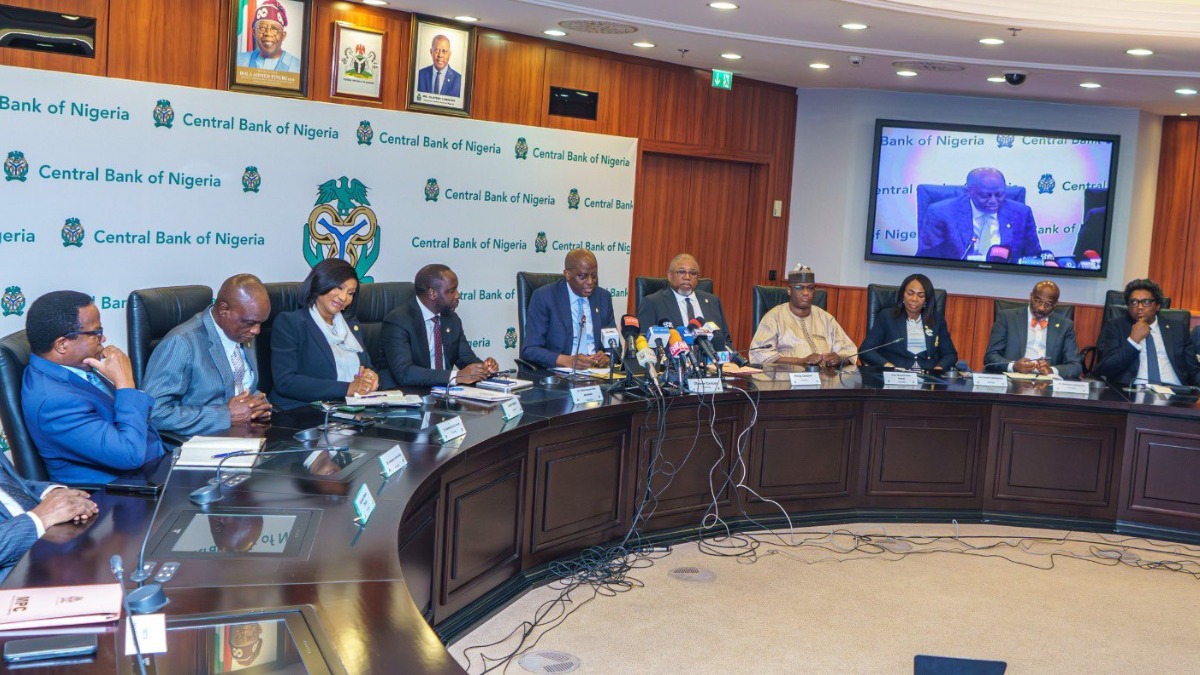
Policymakers left the benchmark Monetary Policy Rate unchanged at 26.5%, while retaining the Cash Reserve Ratio at 45% for commercial banks and 16% for merchant banks.
The central bank also maintained its standing lending and deposit facilities corridor at +50/-450 basis points around the policy rate, while the reserve requirement for non-TSA public sector deposits remained at 75%.
A stronger reserve position gives the central bank greater capacity to support exchange-rate stability, meet external obligations and cushion the economy against global financial shocks.
The latest figures also reinforce signs that Nigeria’s recent macroeconomic reforms are helping rebuild investor confidence after years of foreign exchange shortages and external financing pressures.
Whether the reserves remain above the $52 billion mark will depend on the sustainability of oil revenues, export growth and foreign investment inflows in the months ahead.

Segun Adeyemi serves as the Associate Editor of THEWILL Newspaper, leveraging more than ten years of editorial expertise and a proven track record in mainstream journalism.
