March 04, (THEWILL) – Despite its vast natural and cultural attractions, Nigeria has yet to fully harness its tourism potential, leaving a critical economic sector largely underdeveloped.
Managing Director of Property World Africa Network (PWAN) Cedars, Mr. Sammy Gbalekuma, made this assertion while speaking with Berexnews.
He noted that several states, including Edo, Bayelsa, Delta, Cross River, and Akwa Ibom, possess immense tourism opportunities that remain underutilised.

Gbalekuma lamented that while other nations generate significant revenue from tourism, Nigeria continues to neglect the sector.
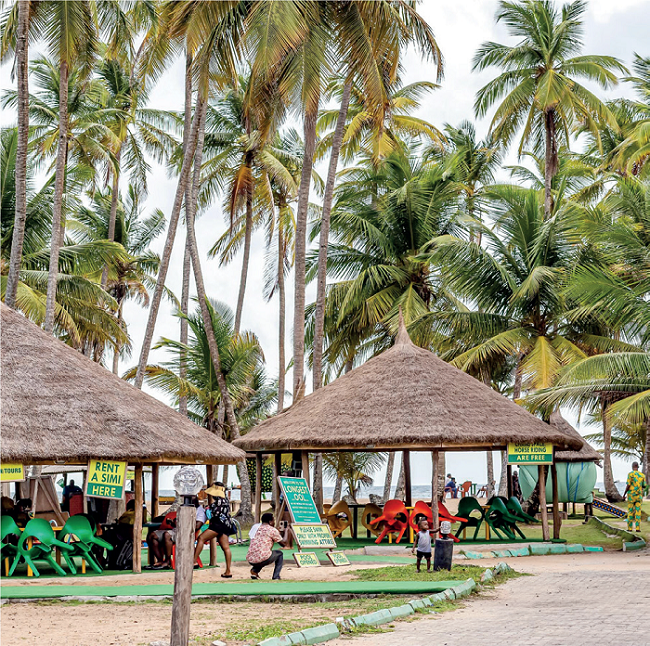
He cited the case of Kuramo Beach, once a thriving hub for businesses and entertainment, now replaced by the private real estate development, Eko Atlantic. According to him, the displacement of business owners and the shutdown of economic activities at the site reflect the government’s failure to prioritise tourism-driven economic growth.
He emphasised that security is fundamental to tourism, stressing that no visitor would explore a country where safety is not guaranteed.
He attributed Nigeria’s growing insecurity to unemployment, arguing that crime rates would decline if young people were meaningfully engaged. Drawing from personal experience, Gbalekuma recounted how his barbecue business provided financial stability, enabling him to live comfortably.
Criticising the government’s economic approach, he pointed out that excessive reliance on oil revenue has stifled other sectors, including tourism.
He advocated for a fiscal structure where states generate their own income and remit a portion to the federal government. Such a system, he argued, would foster innovation, competition, and overall economic expansion.
Gbalekuma also attributed Nigeria’s high unemployment rate to an outdated educational curriculum that fails to equip graduates with entrepreneurial skills.
He urged the government to restructure the system to focus on skill acquisition and entrepreneurship, ensuring that students become job creators rather than job seekers.
Furthermore, he called for increased private sector involvement in tourism development, arguing that successful tourism economies thrive on strong public-private partnerships.
He noted that in other countries, governments focus on creating an enabling environment, while private investors drive growth. However, in Nigeria, the government prioritises taxation over investment in infrastructure and business-friendly policies.
Advocating for economic decentralisation, Gbalekuma asserted that granting states greater financial autonomy would accelerate national development.
He recalled how regional governments in the past thrived by focusing on agriculture, trade, and industries rather than relying solely on oil revenue. He urged policymakers to revisit this model, stating that Nigeria has both the resources and talent to achieve sustainable economic prosperity.
Gbalekuma concluded by urging the government to prioritise tourism, enhance security, invest in infrastructure, and create policies that foster business growth. He maintained that Nigeria’s economic future lies beyond oil, calling for a stronger private sector role and the creation of opportunities for young people to thrive.

Janefrances Ebere Chibuzor is a Tourism Writer at THEWILL