
June 29, (THEWILL) — In the Federal Capital Territory, a health crisis has gripped the six Area Councils for over four months, as health workers have sustained an indefinite strike, closing primary healthcare centres and leaving thousands of residents, particularly in rural communities, without essential medical services. The strike, driven by demands for the N70,000 national minimum wage and payment of salary arrears, exposes deep governance failures.
While the Federal Capital Territory Administration prioritises high-profile infrastructure projects, such as the costly renovation of the International Conference Centre, the neglect of health and education workers reveals a focus on initiatives that enhance personal visibility over addressing critical public needs. The funds allocated to such projects could have significantly alleviated the crises in healthcare and education, raising questions about the government’s commitment to citizens’ welfare.
The human impact of the strike is severe. The suspension of maternal and child health services, including antenatal care and immunisations, endangers vulnerable populations. Across the Federal Capital Territory’s 3.5 million residents, the closure of primary healthcare centres has disrupted interventions for malaria, tuberculosis, and HIV, forcing families to travel long distances for care or resort to unregulated alternatives, increasing risks of untreated illnesses and preventable deaths.

The strike stems from health workers’ demands for unpaid wages and the N70,000 minimum wage. In March 2025, unions representing health and education workers directed a “sit-at-home” action across the six Area Councils—Abaji, Bwari, Gwagwalada, Kuje, Kwali, and Abuja Municipal. Despite the FCTA approving N4 billion in April to address these issues, the funds have not been disbursed, deepening distrust. The Area Council chairmen’s refusal to engage in dialogue has prolonged the crisis, reflecting a failure of coordination between the Administration and local authorities.
The Nyesom Wike administration’s focus on infrastructure projects starkly contrasts with its inaction on the strike. The renovation of the International Conference Centre, costing N39 billion, has been a flagship initiative, celebrated with public ceremonies and a high-profile renaming event. The centre, now allegedly fully booked until 2027, is touted as a driver of economic growth, with claims of generating thousands of jobs. 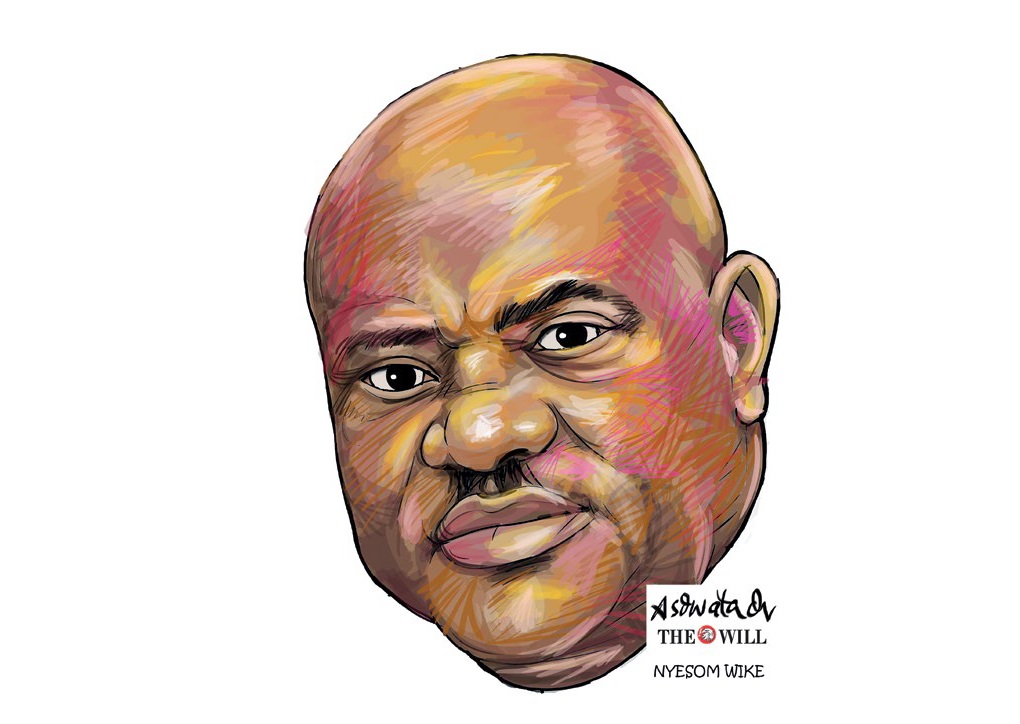
Other projects, such as the 16-kilometre Idu-Zuba Expressway and the Wole Soyinka Interchange Bridge, have also received significant attention. These initiatives, while beneficial, reflect a troubling priority when health and education sectors are in crisis. The N39 billion spent on the International Conference Centre could have cleared salary arrears, reopened primary healthcare centres, and restored public schools, directly addressing the needs of thousands of residents. Instead, the focus on such projects suggests an emphasis on visible, legacy-defining achievements over urgent public welfare.
The health and education crises highlight a governance approach that neglects fundamental rights. The prolonged closure of primary healthcare centres risks outbreaks of preventable diseases and worsens Nigeria’s high maternal and child mortality rates. The education sector faces similar challenges, with public schools closed since March, denying thousands of children access to learning. The Federal Capital Territory, as the nation’s capital, should model effective governance, yet the ongoing crisis reveals a disconnect between policy priorities and public needs.
The prioritisation of the International Conference Centre’s renovation over resolving the strike is a clear misallocation of resources. The N39 billion could have funded salaries for health and education workers, equipped primary healthcare centres with essential supplies and supported school reopenings. Instead, the administration’s focus on infrastructure projects and ceremonial events suggests a preference for initiatives that enhance personal standing rather than addressing the immediate needs of citizens. This approach undermines public trust and fails to uphold the constitutional right to healthcare and education.
Resolving the crisis requires urgent action. The FCTA must facilitate dialogue with unions to clear salary arrears and implement the minimum wage, ensuring transparent disbursement of the N4 billion allocated. Reopening primary healthcare centres demands immediate staffing and supply provisions, particularly for maternal and child health services.
Long-term reforms should include increasing health budget allocations to meet the Abuja Declaration’s target, improving infrastructure, and addressing brain drain through better working conditions. Public pressure, amplified by civil society and community advocacy, is essential to hold authorities accountable. A coalition of over 40 organisations has called for swift resolution, citing the human cost of inaction.
The Federal Capital Territory’s health and education crises reflect a failure to prioritise citizens’ rights. For mothers in the FCT unable to treat their sick children, the elderly patient denied care, and the students locked out of classrooms, this crisis is a daily struggle. The government must act to restore trust and uphold the right to healthcare and education, before the damage becomes irreparable.