
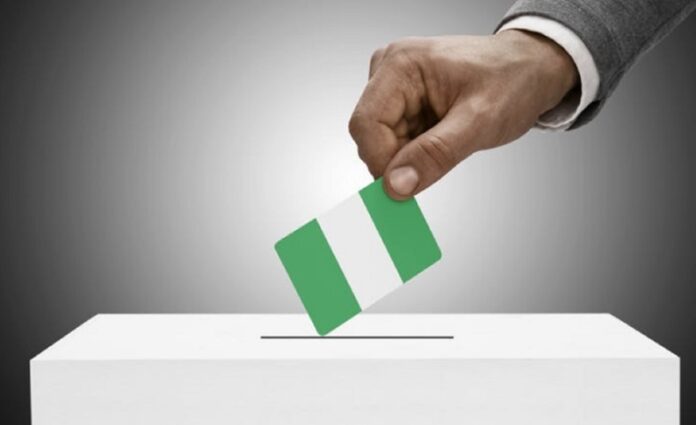
March 18, (THEWILL) — The stage is now set for the highly anticipated 2027 general elections. It is expected that the Independent National Electoral Commission (INEC) has finalised its voter registration drive and refined its strategies to ensure a seamless and hitch-free exercise.
As the electoral umpire, INEC must fortify its operations to guarantee a transparent process. A flawless arrangement is essential to prevent public backlash, particularly as millions of Nigerians—already grappling with severe economic hardship—will have little patience for administrative failures or perceived lapses.
The media’s contribution during general elections is indispensable. Journalists serve as the primary conduit for public education and enlightenment, reinforcing the importance of the franchise as a core civic responsibility for every Nigerian citizen.
As catalysts for social progress, journalists are tasked with promoting tolerance, unity, and a shared national purpose. Their professional responsibility is vital in ensuring that the country remains a cohesive home for all ethnic groups through balanced and constructive reporting.

This was the central message at a recent two-day workshop organised by the Network for Solidarity, Empowerment and Transformation for All (NSETA). Speaking on the theme “Media, Peace and Elections”, Comrade Joseph Chebongkeng Kalabubse—former President of journalists at Cameroon Radio and Television—urged practitioners to uphold fairness, social justice, and truth-telling to ensure their reports remain both educational and credible.
Furthermore, INEC bears the responsibility of properly educating the electorate on the various political parties and their platforms. The commission must also foster a culture of respect for the rights of others, actively preaching tolerance and reconciliation throughout the election cycle.
Kalabubse also challenged Nigerian media practitioners to embrace total objectivity in their coverage of the 2027 polls—an exercise that both the domestic and international communities expect to be a benchmark for transparency.
Media professionals must remain the true “eyes and ears” of the public. As the 2027 elections present unique challenges that differ from previous cycles, journalists must double down on their commitment to the core tenets of the profession.
Members of the press are expected to demonstrate a high sense of fairness and accountability. Every report must be carefully weighed, and every word chosen with precision, acknowledging the deep moral obligation the press owes to the Nigerian public.
Security agencies monitoring the polls are encouraged to view journalists as partners in progress. Media practitioners, who are on essential duty much like security and medical personnel, must be allowed to perform their roles without fear of harassment or intimidation.
To prevent public anxiety and dispel harmful rumours, INEC should maintain a transparent and collaborative relationship with the media. Keeping the press fully integrated into the commission’s operational timeline is the best way to clear any lingering doubts surrounding their activities.
Political candidates, party stakeholders, and polling agents must also shun any activity that could jeopardise the integrity of the vote. Responsible behaviour and active, peaceful participation are required from all quarters to ensure the stability of the nation.
Crucially, without adequate and timely funding, INEC will be unable to deliver the credible elections Nigerians anticipate. To manage public expectations effectively, the commission must maintain a regular and open dialogue with the press.
Ultimately, the INEC Chairman, Professor Joash Amupitan, must foster a close working relationship with the media, spearheaded by the National President of the Nigeria Union of Journalists (NUJ), Comrade Alhassan Yahaya. Only through such high-level collaboration can the public be kept fully informed of developments as the 2027 polls unfold.

