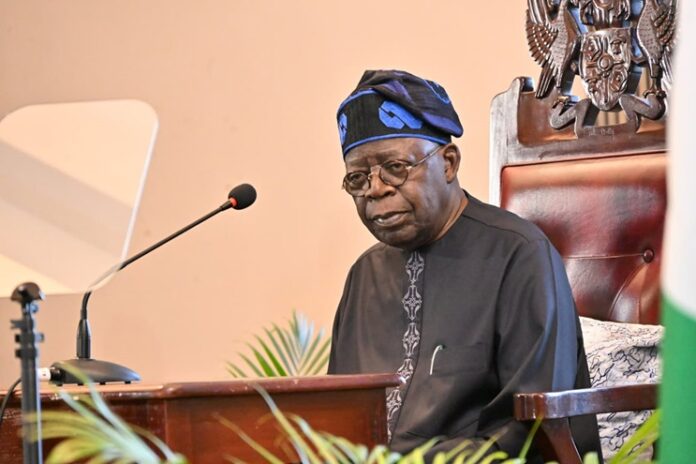
March 26, (THEWILL) — President Bola Tinubu has approved the expansion of the Presidential Initiative on Compressed Natural Gas (PiCNG) to include electric vehicles, in a strategic move to accelerate Nigeria’s transition to cleaner, more affordable transportation solutions nationwide.
The development, announced on Thursday in a statement signed by his Special Adviser on Information and Strategy, Bayo Onanuga, marks a significant shift in the Federal Government’s mobility agenda, with the initiative now renamed the Presidential Initiative on Compressed Natural Gas and Electric Vehicles (PiCNG & EV).
With the new mandate, PiCNG & EV will serve as the central coordinating body for Nigeria’s clean mobility strategy, overseeing both gas-powered and electric vehicle ecosystems.

The initiative is expected to drive policy alignment, infrastructure rollout, and investment across the country’s evolving transport sector.
Under the expanded scope, the initiative will continue its core responsibility of deploying Compressed Natural Gas (CNG) infrastructure.
This includes the establishment of Mother and Daughter Stations, Integrated Refuelling Units, and the promotion of CNG-powered vehicles, alongside nationwide vehicle conversion programmes.
In addition, the initiative will now spearhead the development and rollout of electric vehicles (EVs), including the installation of EV charging infrastructure and the facilitation of related investments aimed at modernising Nigeria’s transport system.
The Presidency emphasised that natural gas remains a strategic and cost-effective energy source for transportation, given Nigeria’s vast reserves. Its utilisation is expected to reduce fuel costs, enhance energy security, and conserve foreign exchange.
The integration of electric vehicles further reinforces the government’s commitment to environmentally sustainable and efficient mobility.
As part of the implementation plan, President Tinubu directed the Executive Chairman of PiCNG & EV to immediately establish a coordinated framework for the rapid deployment of vehicle conversion kits across the country.
The directive underscores the administration’s focus on ensuring that such kits are readily accessible and affordable for Nigerians.
To support this effort, the initiative will collaborate with CreditCorp Nigeria, financial institutions, and other relevant partners to design flexible and cost-effective financing models.
These arrangements are expected to ease the financial burden on citizens seeking to convert their vehicles to CNG or adopt cleaner alternatives.
Furthermore, the President ordered the accelerated deployment of Mobile Refuelling Units (MRUs) to expand access to CNG, particularly in underserved areas, while permanent infrastructure continues to scale up nationwide.
The expansion of the PiCNG mandate signals a broader policy direction aimed at reducing reliance on traditional fossil fuels, lowering transportation costs, and promoting innovation within Nigeria’s automotive and energy sectors.

Felix Ifijeh is a journalist with years of professional reporting experience. Known for his keen news sense, compelling storytelling and commitment to accurate, impactful reporting, he has built a reputation for turning leads into clear, engaging, and well-structured reports that resonate with readers. His work reflects deep newsroom experience and a commitment to accurate, impactful journalism.