
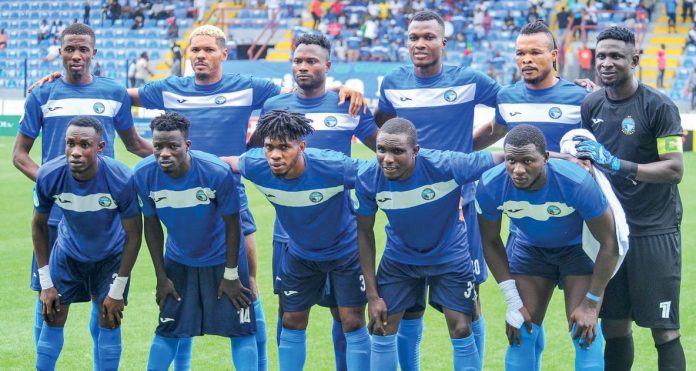
September 17, (THEWILL) – The Nigerian Premier League (NPL), the pinnacle of professional football in Nigeria, has been grappling with a recurrent issue that has marred its reputation in recent years: The frequent postponements and delay of its season commencement.
The most recent setback came in the form of an indefinite suspension of the scheduled kickoff date, initially scheduled for August 26 for the 2023/2024 season, then moved to September 9, 2023, before it was called off indefinitely. This regrettable occurrence follows a familiar pattern: The league’s opening gets deferred repeatedly, often at the eleventh hour, due to a myriad of logistical and administrative issues.
However, to concretely grasp the gravity of the impact of infrequent commencement of the NPL on the initial dates scheduled for kickoff, there is the need to take a step back into history.

Last season, the NPL was forced to play an abridged version of the football league due to some issues that led to its postponement on several occasions.
It is a fact that that season was delayed by several months due to the legal dispute between the NFF and the League Management Company (LMC), which resulted in the dissolution of the latter and the formation of the now operational Interim Management Company (IMC). Yet, it was to the disadvantage of the entire professional domestic football that the IMC had to start the league in October 2022, leaving only eight months to complete the season before the FIFA World Cup in Qatar in November last year.
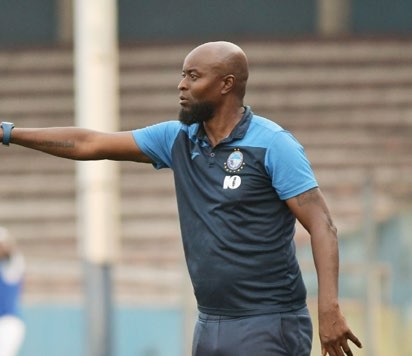
To ensure uniformity with global football leagues and to align Nigeria’s football calendar with the European leagues, which run from August to May, the IMC opted for an abridged calendar. This enabled the 2022/2023 domestic football to avoid clashing with major international tournaments and also facilitate transfers and loans of players between the continents. The proposal for the abridged league saw the IMC divide the 20 teams into two groups of 10 each, based on their geographical locations. The top two teams in each group ended up competing in a Super Four tournament that ultimately decided the league champions. The IMC accepted the proposal and inaugurated the abridged league and hostilities kicked off on October 19, 2022, which was won by Finidi George’s Enyimba International of Aba.
It goes without saying that these postponements are not a new phenomenon in the NPL; they have been recurring for years. However, the recent upsurge in frequency has drawn increasing concern. It is essential to acknowledge that the IMC has cited reasons for the latest postponement. It explained that it was necessary ahead of the Annual General Meeting (AGM) of the Nigeria Football Federation (NFF), which was held in Uyo, Akwa Ibom State.
The Chief Operating Officer of the NPFL board, Davidson Owumi, stated that everything was set for the kickoff, but due to representations from multiple stakeholders and complex logistics involved in having their Chairman and Clubs leadership travel from Ibadan to Uyo, the kickoff had to be postponed. Another reason for the delay was the integration of advanced technologies like AI cameras across 10 of the domestic stadiums to elevate the standards of coverage and fan participation.
Yet, the recurrence of these disruptions hints at deeper, systemic problems within the league’s administration. It also has far-reaching repercussions. One of the most immediate consequences of these frequent postponements is the significant loss of momentum and fitness by the participating teams.
Preseason activities are meticulously planned to prepare teams for the rigorous league ahead. Delays disrupt these preparations, leading to a lack of match sharpness and fitness. Prolonged breaks between seasons can render preseason training ineffective, and the stop-start nature at the season’s commencement increases the risk of injuries as players are thrust suddenly into competitive matches after extended layoffs.
Also, there are the fans to consider. For the ardent supporters who eagerly anticipate the new season, these postponements are nothing short of a heartbreak. The excitement and engagement that usually accompanies the start of the league dwindles as delays continue to push back matchdays.
The perpetual uncertainty also takes a toll on ticket sales and match attendance, as fans lose enthusiasm. This disenfranchisement of the league’s core fanbase has severe long-term consequences, especially for the domestic game that is beginning to get fans back in their numbers at the local League stadiums.
These delays disconnect supporters, particularly the younger generation who represent the future of Nigerian football fandom. If these seasonal disruptions persist unchecked, the interest of these younger fans in the domestic league is at risk of fading away.
Rescheduling matches and startup schedules create a domino effect of logistical chaos for all stakeholders involved: clubs, players, match officials, sponsors, and media partners. Conflicts arise with other schedules, including continental club competitions. The congested fixture list later in the season, when the season eventually gets into full swing, increases the risk of injuries and negatively impacts the overall quality of performance on the field. The disorder trickles down to the grassroots level as lower-league and youth competitions structured around the NPL calendar are also adversely affected. Young talents waiting to showcase their skills get fewer opportunities due to cancelled league openers and condensed seasons.

It is not just the clubs and fans that suffer. Nigeria’s national teams are also adversely affected by these delayed league commencements. The home-based players, who are crucial to the success of the national teams, find themselves at a disadvantage. With foreign leagues already in full swing, these players have a shortened period to attain peak match fitness before joining national team camps, when they are invited for major tournaments like AFCON and World Cup qualifiers. It also hampers their participation in the CHAN continental tournament, reserved for only players in the domestic leagues of participating countries. Consequently, national team coaches hesitate to include them in the senior team squad selection for friendlies, continental and international competitions, which impedes the development of domestic talent and limits the selection options for national team coaches.
Beyond the borders of Nigeria, these frequent disruptions portray the NPL as a disorganised league lacking professionalism in its administration. This negative perception can significantly damage Nigeria’s reputation and undermine the progress made to elevate the league’s profile globally. Potential foreign partners and investors, which are of immense importance to the success of the League, get discouraged as the recurrent instability raises doubts about the league’s prospects. Global interest in the NPL declines if it keeps grappling with administrative issues that delay season take-offs year after year.
To further underscore the severity of the situation, it is worth taking a comparative view at other football leagues in Africa. The domestic football leagues in several African countries have already kicked off for the 2023/2024 season, while the NPFL in Nigeria is still facing uncertainty. The Tunisian Ligue 1, Botola Pro, kicked off August 25 with a 2-1 match between MAS Fes and MAT Tetouan. South Africa’s Premier Soccer League commenced on August 4 with Mamelodi Sundowns beginning the season with an away win against Sekhukhune United. The Ligue 1 in the Democratic Republic of the Congo began at the end of August while the Premier League in Tanzania kicked off on August 15.
In contrast, the NPL’s recurrent postponements portray it as an outlier unable to meet timelines and honour fixtures as scheduled. This reflects poorly on the league’s image abroad and raises doubts about its credibility as a viable destination for foreign investment and partnerships. For the NPL to shed its reputation of perpetual uncertainty, a root-and-branch reform of its management and operations is urgently required.
The financial losses incurred by clubs, players, sponsors, and other stakeholders due to postponed matches also deserve closer examination. With no games held, clubs lose out on crucial matchday, broadcasting, and commercial revenues. This directly impacts their sustainability, especially for smaller clubs with inadequate finances. Players suffer salary cuts and loss of bonuses tied to appearances and performances. Sponsors fail to obtain value for their investments linked to brand exposure and activations around scheduled games. These monetary constraints have a domino effect on investments in infrastructure, player contracts, and other long-term growth plans.
Another area warranting deeper concern is the threat these disruptions pose to youth development in Nigerian football. Talented young footballers waiting in the wings for opportunities to showcase their skills are directly hit by cancelled league openers and reduced fixtures. With a condensed season, their chances of breaking into senior squads get severely hampered. Fewer league matches also provide limited opportunities for the next generation to gain exposure and experience needed to make the step up to the professional level. This stagnation of the youth talent pipeline has dire consequences for the future of the sport in the country.
Indeed, the NPL’s persistent postponement predicament has manifold consequences that negatively impact various football stakeholders in Nigeria – from players, clubs and fans to youth prospects and the national teams. It points towards foundational administrative issues in Nigerian football leadership that need urgent rectification. Beyond stopgap schedule reshuffling, long-term infrastructural and governance reforms are required to address the factors precipitating these disruptions. Comprehensive audits assessing the league’s weaknesses must be conducted to revamp outdated management protocols. Communication and coordination channels with clubs, sponsors and other partners need streamlining to improve scheduling and event planning.
Providing adequate lead time for activities like facility upgrades and establishing contingency plans can help minimise disruptions. Without substantial changes implemented across the board in the league’s organisation and management, Nigeria’s premier football competition will continue being bogged down by this frustrating and familiar postponement problem.

Jude Obafemi is a versatile senior Correspondent at THEWILL Newspapers, excelling in sourcing, researching, and delivering sports news stories for both print and digital publications.
