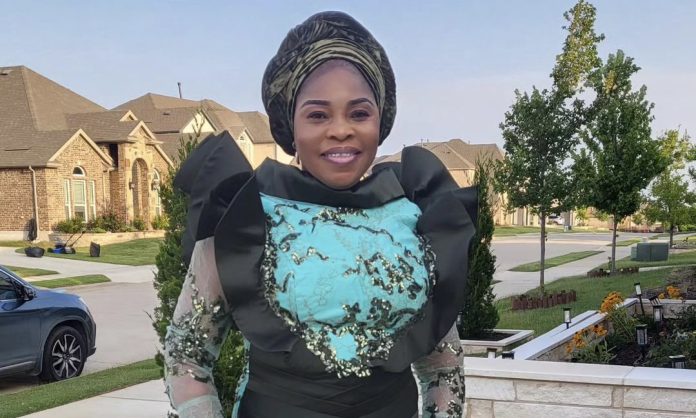
July 11, (THEWILL) – Gospel singer, Tope Alabi, has reacted to the criticism trailing her viral video where she was heard singing in Yoruba language and using the words, ‘Aboru Aboye’, a form of greeting among traditional worshippers.
In the viral video, Alabi referred to herself as ‘ebo’, which means sacrifice, while also singing the words, “Abiye ni mi, Oruko mi ni yen. Mo de bo, mo ru, mo ye,” (I am a sacrifice, that’s my name. I am a sacrifice accepted by God, that’s my name).
The lyrics had generated mixed reactions from fans and some traditional worshippers, who disagreed with her for using such words in church.

In a video, which surfaced online, Alabi was seen ministering in a white garment church when she addressed the controversy.
According to her, “Aboru Aboye” are words purely from the Yoruba language and not just words used by traditionalists.
Alabi explained with bible reference and clarified that using deeply rooted Yoruba words and language is her peculiar style as a gospel artiste.
“It was recorded that David made a sacrifice of faithfulness to God. Why was the word sacrifice not written as the same English word in the Yoruba version of the Bible? It is Yoruba language. There are no special languages for traditionalists. We are all speaking the Yoruba language.
“If some people say they want to use the language in their own style, it is not bad. We have also decided to use it in our own style.”
While reiterating that sacrifices were rendered in the bible, she further queried saying, “Was Abraham’s sacrifice accepted or not? Was it not the same with Isaac?”
She further established her points with Romans 12:1, which speaks about sacrifice. “Brethren, by the mercies of God, that you present your bodies a living sacrifice, holy, acceptable unto God, which is your reasonable service. The word ‘acceptable’ is the ‘Aboru’ while ‘living sacrifice’ is Aboye,” she said.