December 01, (THEWILL) – The second edition of the African Military Games took place in Abuja, Nigeria, from November 18 to November 30. This significant event brought together over 500 athletes from across the continent, marking a notable milestone in African military sports history. Following a 22-year break since the inaugural games in Nairobi, Kenya, in 2002, the return of this competition reflects Nigeria’s leadership role in fostering military collaboration and unity in Africa.
Nigeria hosted the games with the aim of promoting camaraderie, physical fitness and regional cooperation among participating nations. The event featured 19 different sports, including athletics, football, basketball and wrestling, taking place at the MKO Abiola International Stadium, which underwent extensive renovations to accommodate the games.
The opening ceremony on November 20 was a grand affair attended by high-ranking officials, including Vice President Kashim Shettima and Chief of Defence Staff, General Christopher Musa. The event featured military parades and cultural performances, showcasing the rich diversity of participating nations.

General Musa emphasised the importance of the games in strengthening relationships among African military forces and fostering regional cooperation.
Throughout the competition, Nigeria maintained a dominant position in the medal standings. By Friday, November 29, Nigerian athletes had amassed an impressive 87 gold, 47 silver, and 40 bronze medals, clearly leading the pack. Algeria followed with a distant 42 gold medals, while Kenya followed in third place with 15 gold medals.
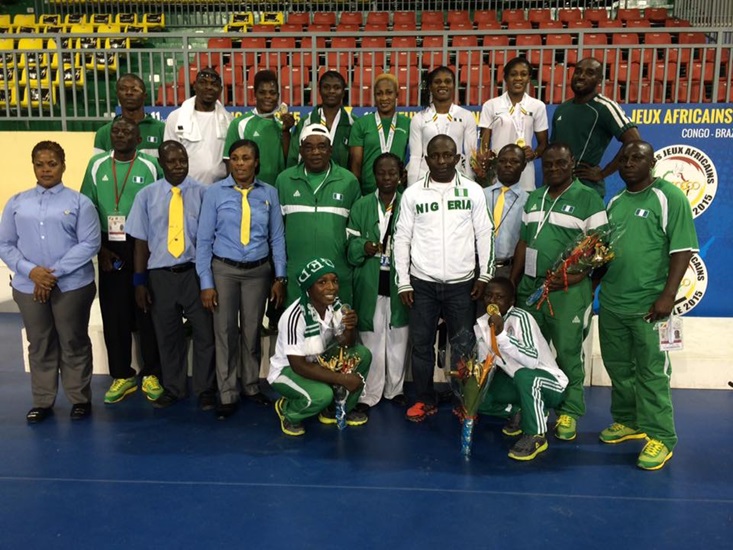
The shooting events were particularly noteworthy, held at the Shittu Alao Barrack in Keffi. Sergeant Moses of the Nigerian Army excelled in the men’s 200m rifle-prone position, winning gold with a score of 217 points. He outperformed competitors from Tunisia and Algeria, a testament of Nigeria’s strength in shooting disciplines.
In wrestling, Nigeria displayed her competitive spirit with 11 gold, 12 silver, and 7 bronze medals. The taekwondo events also saw Nigerian athletes shine, with notable victories in various weight categories. Mohammed Yusuf triumphed in the men’s 54kg category, while female competitors, including Bisallah Rejoice and Anam Glory, also claimed gold in their respective divisions.
The volleyball tournament featured exciting matches, with Nigeria defeating Burkina Faso 3-0. SLT Seiyefa Dikiyai was awarded the Most Valuable Player for his outstanding performance. Other teams, such as Ghana and Algeria, also achieved victories, further demonstrating the competitive nature of the games.
A notable achievement of this edition was the participation of Mali, Burkina Faso, and Niger, countries that had previously withdrawn from the Economic Community of West African States (ECOWAS). Their involvement signalled a commitment to collaboration and sports diplomacy, demonstrating the potential of the games to bridge divides and promote unity among African nations.
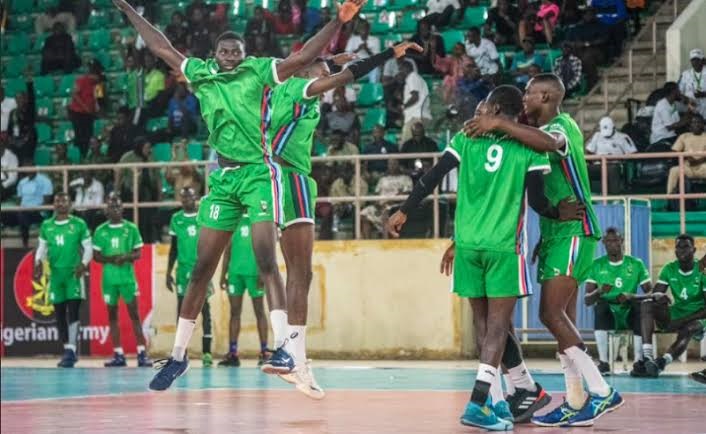
The event attracted substantial participation, with Ghana leading with 267 athletes, followed by Algeria with 160, Kenya with 60, and Tunisia with 48. Overall, 40 countries were represented, exceeding initial expectations and highlighting the enthusiasm surrounding the competition.
Beyond the athletic contests, the games provided a platform for cultural exchange and military cooperation. The significant investment in facilities and the organisation of the event underscored Nigeria’s commitment to fostering international sports diplomacy. The games served multiple purposes: they encouraged friendly competition while creating opportunities for sharing best practices among African armed forces.
The athletics programme included sprints, middle- and long-distance races, and field events. Traditional powerhouses like Ethiopia and Kenya excelled in distance running, while Nigerian and Moroccan athletes made strong showings in field events. These competitions not only highlighted athletic talent but also fostered a spirit of friendly rivalry and collaboration among nations.
Economic benefits for Nigeria were evident during the games, with increased tourism and local business activity reported around the competition venues. The event drew international attention, demonstrating Nigeria’s ability to host large-scale events and promoting a positive image of the country.
The closing ceremony, scheduled for November 30, will mark the conclusion of an event that has brought together military personnel from across Africa, promoting unity through sport while strengthening continental military relationships. The success of the games indicates potential for future collaborations among African nations, especially in addressing common security challenges.
The medal standings near the conclusion of the games revealed that several nations, including Senegal, Mali, and Burkina Faso, had not yet won gold. This points to the competitive nature of the games and areas for development in sports across the continent. The spirit of competition remained strong throughout, with athletes setting new records and achieving personal bests in various disciplines.
The impact of the African Military Games is likely to extend beyond the realm of sports. The event has the potential to influence military cooperation, cultural understanding, and diplomatic relations among participating nations. By bringing together military personnel from diverse backgrounds, the games fostered camaraderie and mutual respect, reinforcing the idea that collaboration is essential for addressing shared challenges.
Looking ahead, the legacy of the games is expected to contribute to a more united and engaged Africa. The successful organisation of such a large-scale event positions Nigeria well for hosting future international competitions. The games served as a reminder that strength lies in partnership, and through sports diplomacy, African nations can work together to build a safer and more integrated future.
The return of the African Military Games has allowed not only the celebration of athletic excellence but also promoted regional stability and cooperation. The event highlighted the importance of unity among African nations, demonstrating that through sports, barriers can be broken and friendships can be forged. The games will leave a lasting impact while reinforcing Nigeria’s role as a leader in fostering military collaboration and solidarity across the continent.

Jude Obafemi is a versatile senior Correspondent at THEWILL Newspapers, excelling in sourcing, researching, and delivering sports news stories for both print and digital publications.