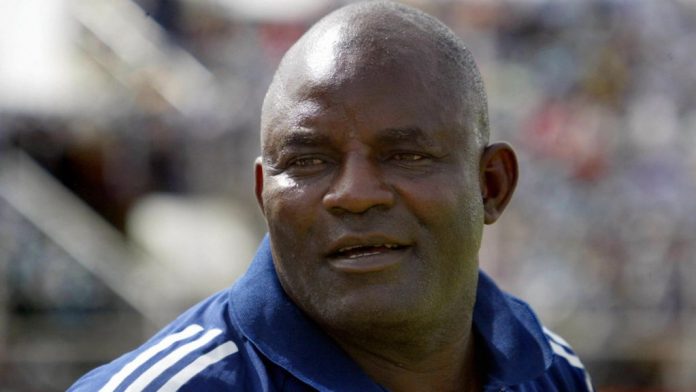
April 20, (THEWILL) – On April 12, 2025, Nigeria lost two of its football legends, Christian Chukwu and Charles Bassey. Both of them were integral members of the 1980 Africa Cup of Nations-winning Green Eagles.
Chukwu, aged 74, captained the team to Nigeria’s first continental title, while Bassey, aged 71, contributed as a dynamic forward. Their deaths, occurring within hours of each other, plunged the nation into mourning, prompting tributes that celebrated their contributions while exposing the systemic neglect that marred their later years.
Christian Chukwu, born on January 4, 1951, in Enugu, was a towering figure in Nigerian football. Known as “Chairman” for his leadership, he captained the Green Eagles to a historic 3-0 victory over Algeria in the 1980 AFCON final at the National Stadium, Surulere. His commanding presence as a defender earned him the tournament’s best player award.

Chukwu’s career began with Enugu Rangers, where he played his entire club career, leading the team to multiple league titles and the 1977 African Cup Winners’ Cup, a landmark achievement for Nigerian clubs. He earned 54 caps for Nigeria between 1974 and 1981, scoring five goals, and competed in the 1976 and 1978 AFCON tournaments, securing bronze medals.
After retiring, Chukwu coached Enugu Rangers, the Kenyan national team and the Super Eagles from 2003 to 2005, guiding Nigeria to a third-place finish at the 2004 AFCON in Tunisia. His teammate, Segun Odegbami described him as one of Nigeria’s greatest footballers, a sentiment echoed by Victor Ikpeba, who noted Chukwu’s mentorship of younger players into the 2000s.
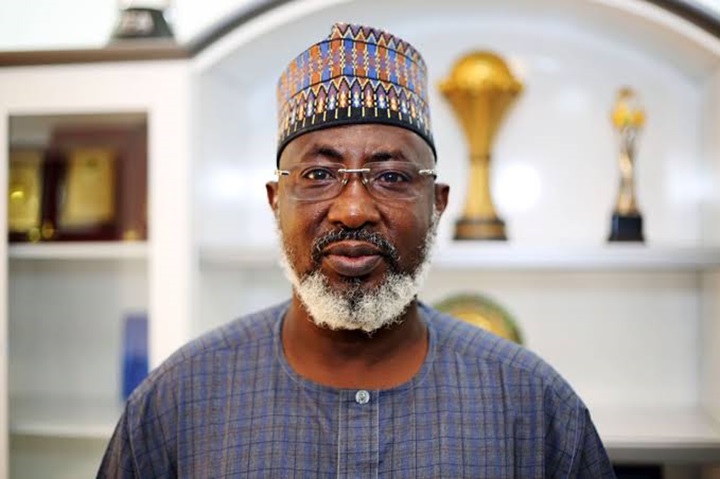
Charles Bassey, born in Eket, Akwa Ibom, was a key forward in the 1980 AFCON squad. His flair and goal-scoring ability complemented Chukwu’s defensive solidity, contributing to the Green Eagles’ triumph. Bassey played for Calabar Rovers and later coached several Nigerian clubs, including Akwa United, Wikki Tourists, BCC Lions, Flash Flamingoes and Mobil Pegasus. His post-playing career focused on mentoring young talent, leaving a lasting impact on domestic football. However, Bassey’s later years were marked by health struggles stemming from a 1986 car accident, which caused nerve root compression in his spinal cord. Despite surgery in 2021, funded by the Femi Otedola Foundation, his prolonged illness culminated in his death on April 12. The NFF described his passing, alongside Chukwu’s, as a “double tragedy,” noting that nine members of the 22-man 1980 squad have now died, including goalkeepers Best Ogedegbe and Moses Effiong, defenders Okechukwu Isima and Tunde Bamidele, midfielders Aloysius Atuegbu and Mudashiru Lawal, as well as forward Martins Eyo.
The outpouring of grief in tributes drawn from across Nigeria’s football community underscores the personal and professional impact of both men. Yet, their deaths also cast a harsh light on Nigeria’s treatment of its sporting heroes.
Chukwu’s financial and health struggles were well-documented. In 2019, he faced prostate cancer, with mobility issues that required treatment abroad. Philanthropist Femi Otedola and the Enugu State Government funded his surgery, but the NFF’s contribution was limited, despite public appeals.
More damningly, Chukwu claimed in a 2024 interview with The Athletic NG that the NFF owed him over N200 million in unpaid salaries and allowances from his 2003-2005 coaching tenure, a debt he said extended to other indigenous coaches. He contrasted this with his experiences coaching in Kenya and Lebanon, where payments were prompt, stating, “What can I do? There is nothing I can do; the file is there, and they have the file.” His son, Christian Chukwu Jr, confirmed the family’s intent to petition the NFF for these dues, highlighting the financial strain Chukwu endured despite his children’s efforts to support him.
The NFF, however, denied owing Chukwu, with General Secretary, Mohammed Sanusi claiming recently that a committee under former president Amaju Pinnick had cleared all debts to coaches. Sanusi challenged anyone to provide proof of outstanding payments, a stance that conflicts with Chukwu’s own words and reports from sources like the BBC, which in 2008 alleged the NFF owed him $128,000 (approximately N205 million in 2025). This discrepancy fuels perceptions of bureaucratic neglect, with Chukwu’s teammate, Adokiye Amiesimaka, accusing the NFF of hypocrisy in mourning legends they failed to support.
Bassey’s health struggles further exposed the absence of a robust healthcare system for retired athletes. His 1986 accident led to decades of mobility issues, exacerbated by inadequate funds for treatment until Otedola’s intervention in 2021. The lack of a structured welfare programme for former players stands in stark contrast to systems in countries like England, where the Professional Footballers’ Association provides medical and financial support for retirees.
Nigeria’s failure to implement similar measures has left many 1980 AFCON heroes, now mostly in their 70s, vulnerable to poverty and illness. Chukwu Jr noted that the government should have a programme to provide healthcare and allowances for these veterans, echoing former governor Jim Nwobodo’s call for better treatment of Nigeria’s sporting pioneers.
The deaths of Chukwu and Bassey have sparked broader conversations about honouring Nigeria’s football legends. With only 13 members of the 1980 squad remaining, including Emmanuel Okala, Segun Odegbami, and Felix Owolabi, the urgency to act is clear. The Nigeria Premier Football League plans to honour Chukwu in its next round of games, a gesture that, while meaningful, does not address systemic issues.
Nigeria should, of extreme necessity, establish a Heroes Fund to provide healthcare, pensions, and financial support for retired athletes. Such a fund, backed by the government, NFF, and private sector, could prevent future tragedies. The surviving 1980 AFCON players, like Odegbami and Owolabi, deserve recognition and care while they are still alive. Chukwu and Bassey’s contributions, lifting Nigeria’s first AFCON trophy, mentoring generations, and inspiring national pride, demand more than posthumous tributes. Their struggles reveal a nation that too often forgets its heroes once the stadium lights dim.
In their memory, Nigeria should commit to change. Chukwu, the disciplined captain who led with calm authority, and Bassey, the vibrant forward who coached with passion, gave their all to a country that failed to reciprocate. Their deaths are a reminder of past glories and present failures. By creating a system to support living legends, Nigeria can ensure that the sacrifices of the 1980 Green Eagles endure as a foundation for a better future. Their names should not only grace tributes but inspire action, so that no hero is left to say, as Chukwu did, “There is nothing I can do.”
Jude Obafemi is a versatile senior Correspondent at THEWILL Newspapers, excelling in sourcing, researching, and delivering sports news stories for both print and digital publications.