
April 07, (THEWILL) – Young athletes from across Nigeria will converge on Lagos for a significant track and field event from April 9 to 12. Over 1,000 participants will compete in the Continental Relays, a competition that highlights the potential of the country’s youth in sports. Billed for the Yaba Tech Sports Complex and UNILAG Sports Complex, this event marks the second leg of Season 3 of a programme run by Making of Champions (MoC) in partnership with MTN Nigeria. The initiative focuses on identifying and developing athletic talent, with the aim of preparing competitors for international stages like the Olympics and World Championships.
The programme draws inspiration from the Jamaican High School CHAMPS, a model known for producing global track stars. In Nigeria, it seeks to create a similar pipeline, offering young athletes a platform to test their skills and grow. The Continental Relays follow the Benin Classics, where 2,056 athletes took part in 4,371 event entries, reflecting the growing interest in this effort. By bringing together Cadets (Under 14), Youth (Under 17), Juniors, and Seniors (Under 20), the event ensures talent development across age groups, fostering a foundation for long-term success in track and field.
Yaba Tech Sports Complex, located at Yaba College of Technology, and UNILAG Sports Complex, part of the University of Lagos, will host the competition. Yaba Tech has a history of supporting sports, having hosted events like the Higher Institutions Football League. UNILAG’s facilities include an athletics track and have accommodated competitions such as the NUGA basketball finals. These venues provide the infrastructure needed for a large-scale event, ensuring athletes can compete under suitable conditions over the four days.

The schedule organises the competition by age group and venue to manage the large number of participants. Seniors and Juniors (Under 20) will race at Yaba Tech Sports Complex from April 9 to 12. Cadets (Under 14) and Youth (Under 17) will compete at UNILAG Sports Complex from April 9 to 11, with some of these athletes moving to Yaba Tech on April 12 for additional events. Lagos Government School athletes in the Cadet and Youth categories, unable to participate earlier due to school exams, will have their chance to compete at UNILAG on 12 April. This gives organisers the potential to ensure that they register as many participants as possible and balance academic and athletic priorities.
A pre-event activity, the Flag Run, will take place on April 8, setting the stage for the main competition. This relay, covering 5 to 10 kilometres, starts at Alausa and ends at Ikoyi, passing through key areas of Lagos. Participants will carry a flag representing the event, engaging with the city’s culture and landmarks along the way. Security and traffic control measures will have to be factored into the organising to ensure the route remains safe for runners and residents. The Flag Run serves to involve the community, building excitement for the days of competition that follow.
The athletes represent a diverse group, with over 1,000 competitors expected to participate. Many come from schools across Lagos and beyond, including those in the Cadet and Youth categories who balance their training with academic commitments. The programme has made efforts to accommodate these students, particularly those from Lagos Government Schools, by scheduling their events on April 12 after exams. This inclusivity ensures that young athletes from various backgrounds can take part, providing them with an opportunity to gain experience in a competitive setting.
Coaches play a vital role in preparing the athletes for the relays. They focus on technical skills, such as baton exchanges in relay races, which require precision to avoid costly mistakes. Mental preparation also forms a key part of their training, with coaches available to encourage athletes to stay focused during their events. This guidance will help participants approach the competition with the skills and confidence needed to perform well, whether they are running sprints, jumping, or throwing.
The Continental Relays have a broader impact on Lagos and its residents. The event encourages youth to take up sports, promoting physical health and discipline. Schools and families can come together to support the athletes, strengthening community ties. Local businesses are primed to also benefit from the influx of visitors, who fill hotels and eateries during the four-day competition. Beyond economics, the relays raise awareness of the importance of youth sports, inspiring more children to get involved. Organisers can hope to identify talent that can be nurtured further, with top performers potentially earning scholarships or advanced training opportunities.
The event builds on the momentum of previous competitions in the programme. The Benin Classics, held earlier in Season 3, saw high participation and competitive performances, setting a strong precedent for Lagos. Organisers can anticipate that the relays will produce notable results, with athletes aiming to set personal bests or even programme records. Yet, the focus must remain on long-term development, ensuring that those who excel have pathways to continue their growth in the sport. This approach aligns with the programme’s mission to create a steady stream of skilled athletes for Nigeria.
Looking to the future, the initiative behind the relays will need to expand. The success in Benin and Lagos suggests that more cities could host similar events in coming years. The partnership between MoC, MTN Nigeria, and the Ministry of Youth and Sports Development provides a solid foundation for this growth. The ultimate goal should be to elevate Nigeria’s standing in international track and field, producing athletes who can compete on the world stage. Each competition, including the Continental Relays, can serve to bring this vision closer to reality.
The programme’s structure can allow for targeting long-term objectives. By dividing athletes into age categories, it allows for targeted development at each stage of their growth. Cadets (Under 14) gain early exposure to competitive sports, while Youth (Under 17) and Juniors build on their skills as they progress. Seniors (Under 20) are often on the cusp of national or international recognition, making their performances at the relays a critical step in their careers. This tiered approach ensures that athletes receive the support they need at every level.
Community involvement can a also extend beyond the Flag Run. During the competition days, spectators are expected in the stands at Yaba Tech and UNILAG, cheering for their peers, siblings, or children. With massive turnouts, the relays have the potential to foster a sense of unity in Lagos, a city known for its vibrant energy. The event also provides a platform for schools to promote sports programmes, encouraging more students to participate in athletics. Over time, this could lead to a stronger culture of sports in Nigeria, benefiting both individuals and society.
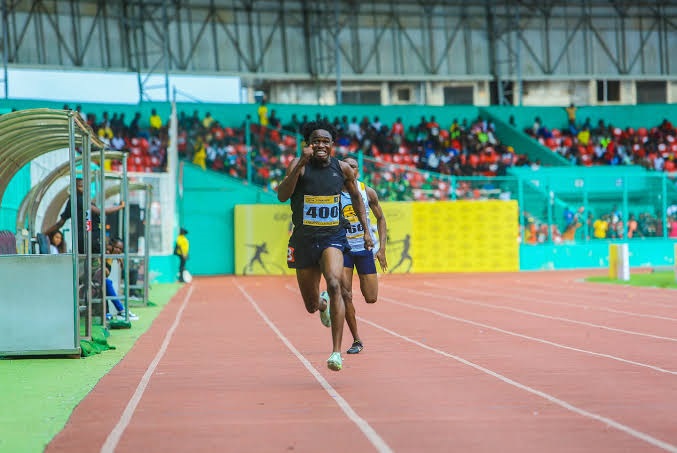
Organisers have worked to ensure the event runs smoothly. The choice of venues reflects careful planning, with both Yaba Tech and UNILAG offering facilities that meet the needs of a track and field competition. The schedule, while complex due to the number of participants, is designed to avoid overlap and give each age group sufficient time to compete. The inclusion of Lagos Government School athletes on my phone April 12 demonstrates a commitment to fairness, ensuring that no one misses out due to academic obligations.

Jude Obafemi is a versatile senior Correspondent at THEWILL Newspapers, excelling in sourcing, researching, and delivering sports news stories for both print and digital publications.