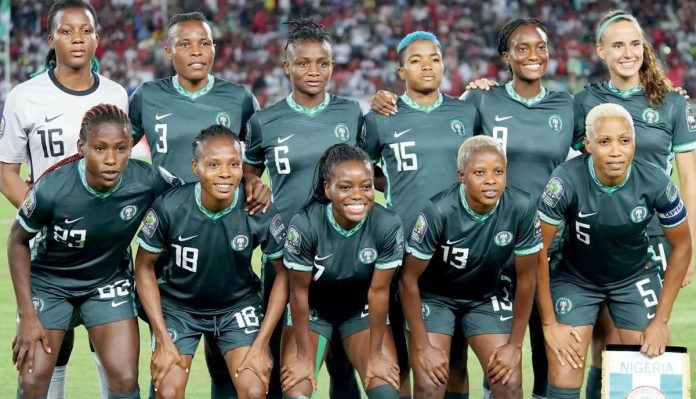
The Nigerian female national football team, the Super Falcons, is facing significant challenges as they prepare for the 2023 FIFA World Cup scheduled to kick off on July 20. Financial controversies and inadequate preparations have put the team at a disadvantage, compared to their group opponents: Olympic champions Canada, joint-hosts Australia and newcomers Ireland. The issues began when Randy Waldrum, head coach of the Super Falcons, opened up about the deep frustrations he had with the Nigerian Football Federation (NFF) and their lack of support for the team’s preparations.
During a candid interview ahead of the squad’s camping in Australia, Waldrum revealed several issues that have hindered the team’s preparations. He particularly highlighted the cancellation of a planned three-week training camp in Nigeria as a significant setback. This decision by the NFF left the team without an opportunity to assess players further or consider potential new additions. Waldrum did not hide his disappointment with the decision, stressing the fact that the team did not receive the backing they needed at various levels to reach their optimum levels of readiness for the challenges of the World Cup. The American went as far as to claim that College Pre-season preparations went far better than the Super Falcons had for the biggest stage of women’s football competitions with the jointly-hosts and Olympic champions waiting.
In addition to the cancellation of the training camp, Waldrum criticised the NFF’s interference in the selection process of his squad building. He accused the Federation of pressuring him to exclude his trusted assistant coach, Lauren Gregg, from the World Cup entourage. The NFF’s interference stemmed from their desire for Waldrum to select a goalkeeper from Nigeria whom he had never personally observed. This imposition of a player unfamiliar to the coaching staff led to a backlash, with Waldrum refusing to comply. The NFF retaliated by denying Waldrum the inclusion of his trusted assistant coach.

Furthermore, Waldrum shed light on a prior incident where the players boycotted training before a crucial match against Zambia. The boycott arose from the players’ grievances over unpaid wages following their loss in the WAFCON 2022 tournament held in Morocco, which THEWILL covered at the time, in what was an international embarrassment for Nigeria and the NFF. The unfortunate response of the Federation included the dismissal of Tochukwu Oluehi, the backup goalkeeper, who had been the spokesperson for the players, regarding the issue of non-payment of the team’s bonuses at last year’s WAFCON.
Oluehi was later readmitted to the team only after writing an apology letter.
These actions left the American coach frustrated enough to speak publicly about the situation heading into the World Cup. Waldrum referred to the information he received from a contact in the United States, claiming that FIFA had disbursed $960,000 to each participating country in October, specifically for World Cup preparations.
The coach questioned the NFF’s utilisation of this funding, saying: “Up until about three weeks ago, I had been owed 14 months’ salaries and then they paid seven months’ salaries. Before that, a year and a half to two years, I had been owed for months before I was paid a little bit of it. Starting July, I’ll be eight months behind in salary. We still have players that haven’t been paid since two years ago when we played the summer series in the USA. It’s a travesty.”

Waldrum revealed that at several times, he had been on the verge of packing it all up and leaving the job but for the drive and determination of his players, who have given a lot to be ready for the global showpiece. Their hard work has kept him resolved to finish the work they have started.
However, in response to Waldrum’s comments, the NFF rebuffed the allegations, dismissing him as an “incompetent loudmouth” who has only recently found his voice. The NFF pointed out that the cancellation of the training camp was a result of logistical challenges and financial constraints. They emphasised that despite the cancellation, the team had already embarked on trips to Japan, Mexico, and Turkey for matches, highlighting their efforts to prepare the team. Regarding the selection process, the NFF countered Waldrum’s accusation of interference. They asserted that the coach had been given the autonomy to choose his squad, but they had made suggestions regarding the inclusion of a home-based goalkeeper. The NFF argued that the coach had previously shown little consideration for home-based players in his provisional list and questioned the need for another training camp exclusively for them.
The NFF also pointed to the team’s participation in various international matches as evidence of their preparation efforts. They emphasised that the team had been provided with financial support from FIFA for World Cup preparations. They stated that Waldrum’s recent remarks seemed like an afterthought, coming only three days before the team’s departure for the World Cup.
The NFF advised the coach to focus solely on the upcoming tournament and refrain from making further comments. While the NFF’s response aimed to counter Waldrum’s criticisms and defend their actions, it did little to address the concerns raised about the team’s inadequate preparations. The ongoing dispute between the coach and the Federation adds further uncertainty to Nigeria’s World Cup campaign, leaving fans and observers apprehensive about the team’s ability to perform at their best in the tournament.
On the part of the team, Nigeria’s Super Falcons have a history of disputes and protests over unpaid bonuses during international tournaments and the upcoming 2023 Women’s World Cup is no exception. The players have been vocal about their demands for fair treatment and the payment of their match bonuses, sparking concerns about the team’s unity and focus leading up to the tournament. On Friday, news broke of fresh protests. The protests stem from the cancellation of the Super Falcons’ match bonuses by the NFF. Following FIFA’s decision to allocate $30,000 to each participant for the group stage, the federation decided to withhold the match bonuses and the 30% share of the $1.56 million FIFA grant allocated to players of member associations. This decision did not sit well with the players, who believe they are entitled to receive their rightful bonuses for representing their country.

In response to the NFF’s decision, senior players, including captain Onome Ebi and star striker Asisat Oshoala, held a meeting to discuss their grievances. They resolved to press for their demands and even considered boycotting their opening game against Canada on July 21 as a form of protest. This strong stance reflects the players’ determination to fight for fair treatment and to ensure that they are not shortchanged once again.
This is not the first time the Super Falcons have taken a stand against the NFF over unpaid bonuses. In 2004, after winning the WAFCON (Women’s Africa Cup of Nations), the team refused to return home until their bonuses were paid. Similarly, in 2016, following their triumph in the WAFCON held in Cameroon, the players staged a sit-in protest in Abuja, demanding payment of $16,500 to each player. These instances highlight a recurring issue of delayed or unpaid bonuses that has plagued Nigerian women’s football.
The players argue that they have been subjected to mistreatment and injustice for a long time and are determined to put an end to it. They believe that their treatment is discriminatory compared to their male counterparts and that they deserve equal recognition and compensation for their achievements.
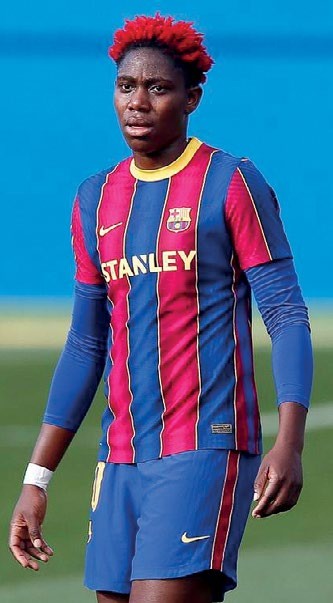
The protests aim to draw attention to their grievances and the mistreatment they claim to have endured throughout their careers. The Super Falcons’ demands for fair treatment and payment of bonuses are not without merit. The team has consistently represented Nigeria with distinction, achieving notable successes in African women’s football. Their victories and contributions to the sport deserve recognition and adequate financial compensation. The players’ determination to fight for their cause and to seek fairness and equality reflects their commitment to making a positive change in Nigerian women’s football.
The ongoing dispute adds further uncertainty and tension within the team as they prepare for the World Cup, potentially affecting team morale and cohesion. Adequate financial support and timely payment of bonuses are not only crucial for the well-being and motivation of the players but also for the overall development and growth of women’s football in Nigeria.
The poor preparation of the Nigerian female national football team due to financial controversies undoubtedly places them at a disadvantage compared to their group opponents. Canada, Australia, and Ireland have made significant investments in their teams, providing them with solid foundations for success. Nigeria’s limited resources and disrupted preparations raise concerns about their ability to compete at their best.
The Australian women’s national team, the Matildas, enters the World Cup as co-hosts and with their strongest squad ever. Led by coach Tony Gustavsson, they have gained momentum by winning eight of their last nine matches. Forward Caitlin Foord highlights the squad’s exceptional talent and depth, emphasising their versatility and exciting potential. Australia’s recent 2-0 victory over European champions England has earned them newfound respect, making them a team to be wary of. With their first match against Ireland anticipated to draw a record crowd of over 80,000 spectators, the Matildas’ strength, unity, and experience make them formidable contenders in the tournament.
The reigning Olympic champions have had issues about pay as well. Canada’s women’s national team faces financial disputes with the national federation, which have led to concerns about their preparations for the World Cup. Despite budget cuts and pay disputes, the team has tentatively agreed on a new deal. The players have warned of future protests if their pay demands are not met. However, with a solid World Cup track record, having participated in every tournament except the inaugural one in 1991, Canada’s first group match against Nigeria will test the readiness of both sides. The focus of Canada on resolving the financial disputes and securing fair treatment is crucial for the team to concentrate on their tournament preparations and defend their Olympic title.
Meanwhile, Ireland’s women’s national team faced challenges with abuse allegations against their manager and contract negotiations leading up to their World Cup send-off game against France. Despite setbacks, the team has remained focused on their aspirations for the tournament. The players’ determination to overcome adversity and their sole focus on the World Cup highlight their resilience. As they gear up to face tough opponents like Waldrum’s Super Eagles, their journey is characterised by overcoming obstacles and staying committed to achieving their goals on the global stage.
While the lack of proper preparation presents a significant challenge, it is essential to recognise the potential for Nigeria to rise above these circumstances and deliver impressive performances on the world stage. Nigerian football has a history of defying expectations, and the Super Falcons’ resilience and inherent talent should not be underestimated. Despite the challenges they face, fans and observers eagerly await Nigeria’s journey, hoping for their ability to overcome adversity and leave a lasting impression on the global stage.

Jude Obafemi is a versatile senior Correspondent at THEWILL Newspapers, excelling in sourcing, researching, and delivering sports news stories for both print and digital publications.