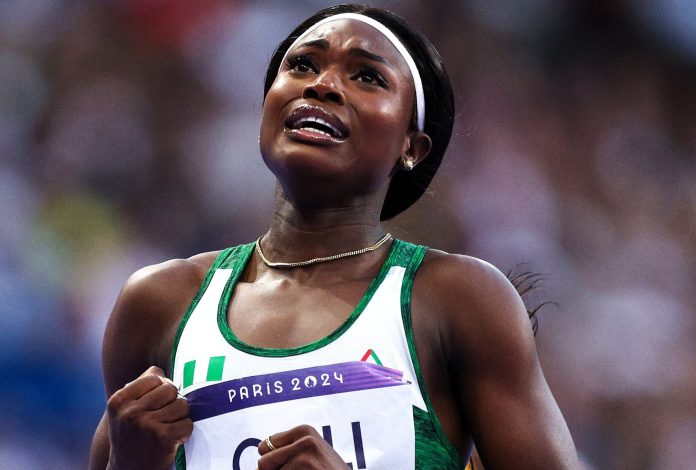
September 14, (THEWILL) — Favour Ofili has confirmed that she will no longer compete for Nigeria and will represent Turkey, a decision she linked to a series of administrative failures by Nigerian sport bodies that have affected her Olympic chances. She made the change public on her social media account and gave a brief statement saying that repeated lapses by national officials had left her with little choice but to seek a different path.
The most visible complaint from Ofili came after the Paris Olympic Games, when she posted that she had not been entered for the women’s 100 metres despite meeting the qualifying standard. That omission forced her to miss a race for which she had prepared, while she still competed in the 200 metres and the 4x100m relay. This was unfortunate for an athlete that had worked for four years toward that opportunity. It was a serious breach of duty by the responsible Federations.
The Paris incident followed another high-profile administrative failure that affected Nigerian athletes at the Tokyo Games. In 2021 the Athletics Integrity Unit identified a group of athletes who were not cleared to compete because mandatory out-of-competition drug tests had not been completed in line with international rules. Nigeria was the most affected nation in that action, with multiple competitors ruled ineligible after the testing requirements were not met. That episode remains a reference point in public discussion about governance and compliance inside Nigerian athletics.

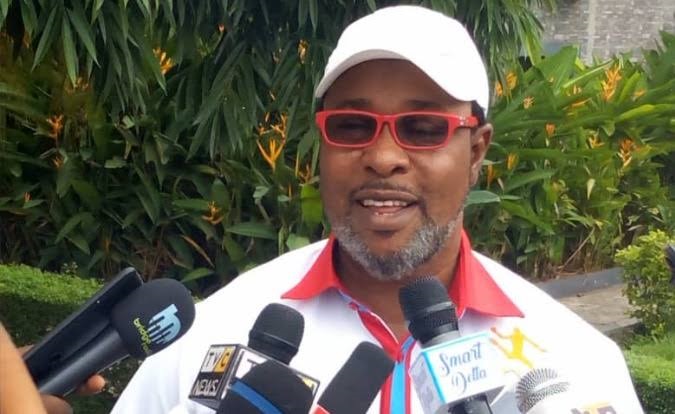
The athletics authorities have reacted to the reports of Ofili’s change of national allegiance with a mixture of surprise and deflection. In earlier reports, the President of the Athletics Federation of Nigeria, Tonobok Okowa, said the Federation was waiting to receive formal notification from the athlete or from the global federation while suggesting that financial offers played a part in the decision. He later confirmed that both World Athletics and the athlete herself had officially informed the AFN of the decision. Other federation statements stressed that they have been trying to repair the nationwide athletics system and that they regard athletes who move away with regret. Those comments shown a gap between the tone of the athlete’s account and the tone of official replies.
The international body for the sport has a formal process for changes of sporting nationality. World Athletics confirmed that it had received applications from the Turkish member federation requesting transfers for a small group of elite athletes and that those applications had not yet been reviewed or approved by the Nationality Review Panel. The Federation’s rules require evidence of citizenship and a waiting period before an athlete may represent a new country at major championships, though the panel may consider requests for exceptions in specified circumstances. Those technical rules frame the legal steps that follow a public report of a nationality change.
Reports in the international press about moves to Turkey have emphasised that the country has been actively recruiting elite athletes from other nations. Major news agencies covered offers that were said to include substantial sign-on payments and ongoing financial support for selected competitors, citing figures that were widely reported in the athletics media. Those reports have helped explain why some athletes consult other Federations and why national governing bodies face new pressure to show they can offer stable conditions and clear administration.
The status quo raises some questions such as what problems exist within Nigeria’s system that can help to explain why a top athlete might consider changing national allegiance. One issue is weak administrative capacity in critical moments, including the preparation and submission of entries for major events and the management of anti-doping obligations for athletes living overseas. Another problem is the gap between what athletes need for training and competition and the level of financial and medical support they actually receive.
The loss of an elite performer has effects that go beyond a single event result. When a leading athlete changes sporting nationality there is a direct impact on a country’s medal prospects and on the morale of younger competitors who are watching the pathway to elite sport. There is also reputational damage, which can make it harder for national bodies to attract sponsors, to negotiate international training exchanges, or to win hosting rights for events. The cumulative effect of administrative errors and weak support can therefore shrink the pool of talent a country can rely upon at major championships.
Reform would require clear, verifiable steps that the Federation and the National Olympic committee can take immediately. First, they ought to publish the logs and timestamps for athlete entries to major events so that any omissions are transparent and traceable. Second, they should show the procedures and funding lines that guarantee that mandatory anti-doping tests will be carried out for athletes based abroad. Third, they should set out a known level of support for leading athletes, covering payment of training grants, medical provision and travel allowances. Those changes would not erase past mistakes, but they would create evidence that the system is moving toward reliable performance in the future.
There are limits to what national Federations can do quickly. Some nations have used targeted incentives to keep athletes at home or to reward them for loyalty. Other countries have relied on better case management and on hiring experienced administrators who can manage complex international rules. The immediate priority for Nigeria is to show a capacity to run the routine functions of elite sport without failure, because routine failure is what drives athletes to seek alternatives. Public trust in sport depends on reliable process more than on rhetoric.
Ofili’s decision should be read in plain terms. It is the move of a young athlete with international medals and records who has concluded that her career prospects will be better if she accepts formal ties to another federation. There is an obligation on Nigerian sports authorities to commence wider reforms across board to prevent future talent losses. If that does not happen, the country can expect further high-profile exits that will damage competitive prospects and reduce the options available to the next generation of athletes.
Ofili’s case is not merely a headline about one athlete moving country; it is a test of whether the institutions that run elite sport in Nigeria can meet basic standards of administration and care.

Jude Obafemi is a versatile senior Correspondent at THEWILL Newspapers, excelling in sourcing, researching, and delivering sports news stories for both print and digital publications.