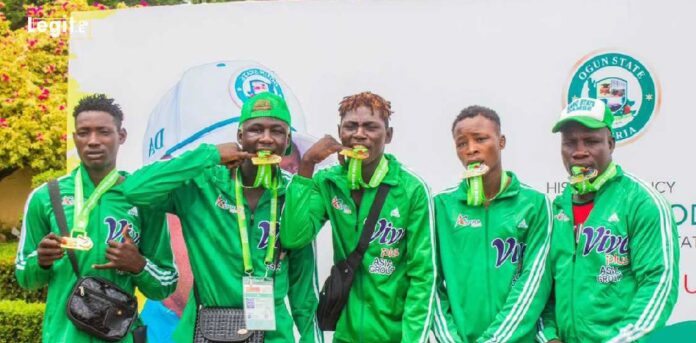
June 08, (THEWILL) – The medals were still shining when the brake pedal went to the floor. Seconds later, 29 pieces of gold, silver, and bronze representing months of training and dreams realised at Nigeria’s National Sports Festival were scattered amongst the wreckage of government bus KN 041 A17 beneath the Chiromawa Bridge. What began as Kano State’s most successful sporting campaign in years ended in the country’s worst athletic tragedy in decades.
The bus had been limping home for two days, breaking down repeatedly on the 900-kilometre journey from Abeokuta.
A survivor, Dorathy Okwuzuluike would later confirm the vehicle’s dire condition. By the time it reached the notorious bridge on the Kano-Zaria Expressway that Saturday morning of May 31, the aging coaster was already a death trap on wheels.

At half past 12 in the afternoon, 32 passengers experienced every traveller’s nightmare as their transport veered off the bridge, plummeting into the abyss below. 22 young athletes, coaches, and officials perished in the crash, their triumphant return from the Gateway Games transformed into a national tragedy that would expose the deadly compromises Nigeria’s sports system forces upon its brightest talents.
The passengers were returning from the 22nd National Sports Festival, known as the Gateway Games, held in Ogun State. They carried with them the pride of Kano’s sporting achievement: 29 medals comprising six gold, 13 silver, and 10 bronze. These were not merely statistics but symbols of months of training, sacrifice and dreams realised on the tracks and fields of Abeokuta. Among the deceased were teenagers who had competed in everything from sprinting to traditional wrestling, their futures as bright as the medals they had won.
Okwuzuluike attributed the crash to brake failure, stating that the bus was in poor condition when it began its fateful descent from the bridge. The Federal Road Safety Corps would later cite driver fatigue and excessive speed as contributing factors, but the survivor’s account painted a picture of mechanical negligence that had been evident throughout the journey. The bus was one of eight vehicles transporting Kano’s contingent, yet it was the only one that failed to complete the journey home.
The tragedy exposed the systemic failures that plague Nigeria’s youth sports infrastructure. The National Sports Festival, intended to foster unity and development through athletics, had become a journey of peril for the very athletes it sought to celebrate. The decision to travel overnight in aging vehicles, driven by the need to cut accommodation costs, reflected the chronic underfunding that characterises Nigerian sports at all levels.
The contingent had spent two days on the road, a journey that should have taken less than twelve hours under normal circumstances. The repeated breakdowns, the mechanical failures, and the eventual catastrophe were not acts of fate but the predictable consequences of a system that consistently prioritised economy over safety. The Chiromawa Bridge, already known as a dangerous section of the expressway, had claimed lives before, yet little adequate measures had been implemented to address its hazards.
Governor Abba Kabir Yusuf declared June 2 a public holiday for mourning, offering each victim’s family one million naira and food supplies. The gesture, whilst well-intentioned, highlighted the inadequacy of the response to such a profound loss. These were not faceless statistics but young people with names, stories, and families who had entrusted their children to a system that failed them catastrophically.
Galadima Ibrahim, a respected coach and spokesperson for the Kano State Sports Council, was among those who perished. Colleagues remembered him as a reliable figure who was always present when needed most. A 17-year-old sprinter who had won bronze at the festival died alongside her dreams of representing Nigeria at international competitions. Medical personnel, a journalist, and mechanics who had dedicated their time to supporting the athletes also lost their lives in the wreckage.
The National Sports Commission, led by Shehu Dikko, acknowledged the tragedy but its response revealed the absence of national standards for athlete travel. Promises of mandatory vehicle certifications and insurance requirements for future events came too late for the 22 souls lost beneath the Chiromawa Bridge. The commission’s announcement of a post-Games safety roundtable seemed a reactive measure rather than evidence of proactive planning.
Expressions of sorrow from national and community leaders soon followed but these same sentiments have become customary reactions after previous tragedies without resulting in meaningful change. The Federal Road Safety Corps, through Corps Marshal Shehu Mohammed, urged collective action against road carnage, but enforcement challenges remained evident in Nigeria’s alarming accident statistics.
Nigeria recorded over 9,500 road crashes in 2024 alone, resulting in more than 5,400 deaths. These figures place the Kano tragedy within a broader context of national negligence regarding road safety. The reliance on overnight travel, poorly maintained vehicles, and dangerous routes like the Kano-Zaria expressway create conditions where tragedies become inevitable rather than exceptional.
The contrast between the celebration of youth at the National Sports Festival and the neglect of their safety reveals fundamental contradictions in Nigeria’s approach to sports development. States like Kano, despite their sporting potentials, operate on budgets that force compromises between participation and safety. The decision to transport athletes in an aging coaster bus rather than investing in safer alternatives reflects resource constraints that should not exist in a nation of Nigeria’s wealth and potential.
Other African countries have addressed similar challenges through different approaches. Kenya’s investment in centralised training facilities and improved transport safety for athletes offers a model that Nigeria could adapt. South Africa’s sports system, despite its own challenges, maintains higher safety standards for athlete travel through better funding and oversight mechanisms.
The survivors of the crash, some with severe injuries, were treated at Kura General Hospital where the community confronted the scale of their loss. Okwuzuluike’s survival allowed her to bear witness to the preventable nature of the tragedy, her testimony highlighting mechanical failures that should have grounded the vehicle before it left Abeokuta.
The National Sports Festival will continue, but its promise of unity and youth development rings hollow without fundamental reform. The proposed safety measures announced by the National Sports Commission represent necessary first steps, but they must be implemented with rigour and consistency. Mandatory insurance and vehicle certifications are meaningless without proper enforcement and regular monitoring.
States must prioritise funding for safe transport, potentially pooling resources for shared fleets or exploring air travel for long-distance journeys. Driver training programmes and mandatory rest schedules could address fatigue-related accidents, whilst investment in road infrastructure could eliminate notorious danger spots like the Chiromawa Bridge.
The partnership between government and private transport companies, which often maintain higher safety standards, could provide immediate improvements in athlete transport. A national safety framework for youth sports, with clear guidelines and accountability mechanisms, must be established to prevent future tragedies.
The families clutching medals and memories in Kano deserve more than monetary compensation and food supplies. They deserve assurance that no other family will experience such loss, that no other young athlete will pay with their life for systemic failures in sports administration.
The athletes who died in this tragedy represented Nigeria’s future in sport. Their talent, dedication, and achievements at the National Sports Festival reflected the potential that exists within the country’s youth. Their deaths represent not just personal tragedies but a national failure to protect those who carry the hopes and dreams of their communities.
The legacy of these 22 individuals must not be confined to mourning rituals and political statements. It must inspire comprehensive reform of Nigeria’s sports system, ensuring that safety becomes as important as success, that the journey home is as secure as the pursuit of glory.
The road from Abeokuta to Kano should not be a path to tragedy. The Chiromawa Bridge should not be a graveyard for young dreams. The National Sports Festival should celebrate life, not mourn its loss. These changes require more than promises and condolences; they demand sustained commitment, adequate funding, and unwavering vigilance.
The medals won by Kano’s athletes at the Gateway Games shine less brightly now, tarnished by the tears of families and the failure of systems that should have protected their winners. Yet those achievements must not be forgotten, nor should the reforms they now demand be delayed.
Nigeria’s sports system failed its young champions on a quiet Saturday morning in May. The question now is whether the nation will learn from this failure or allow it to fade into the long list of preventable tragedies that mark the country’s history. The 22 lives lost beneath the Chiromawa Bridge demand nothing less than transformation, and their memory deserves nothing less than success in that vital endeavour.

Jude Obafemi is a versatile senior Correspondent at THEWILL Newspapers, excelling in sourcing, researching, and delivering sports news stories for both print and digital publications.