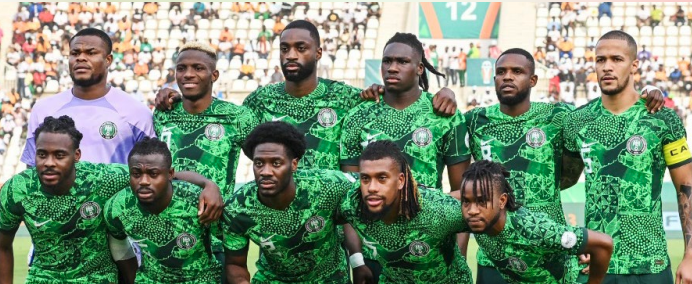
May 5, (THEWILL)- The recurring visa denials faced by Nigerian athletes have become a significant barrier to their participation in international sporting events. This issue has affected various sports, from athletics to football, and has raised concerns about the future of sports in Nigeria. It is imperative that the relevant authorities, including the Sports Federations, the Ministry of Sports, and the Ministry of Foreign Affairs, collaborate effectively to address this challenge and ensure that Nigerian athletes are given the opportunities they deserve.
The visa denials have had far-reaching consequences for Nigerian athletes, hampering their ability to compete at the highest levels and potentially stunting their growth and development. For instance, the case of Ese Brume, the reigning Commonwealth Games and African long jump record holder, highlights the detrimental impact of these visa denials. Brume was denied a visa by the Chinese Embassy in Lagos, preventing her from competing in the Diamond League in Suzhou, where she had hoped to reach the 6.86m mark required to qualify for the Paris 2024 Olympics. This setback came after she had earlier been denied a visa to the UK, further compounding the challenges she faced.
Similarly, in football, the friendly match between the Super Eagles of Nigeria and Albiceleste of Argentina was cancelled due to visa issues, depriving the Nigerian team of a valuable opportunity to test their skills against one of the best teams in the world and the current world cup holders. The Nigeria Under-15 team, the Future Eagles, also faced a similar predicament when they were denied visas by the Spanish Embassy, preventing them from participating in the UEFA U16 Development Tournament – a significant disappointment for the young players who had looked forward to the event.

These incidents are not isolated; Nigerian athletes have frequently encountered visa-related obstacles, hampering their ability to compete and exhibit their talents on the international stage. It is crucial that the relevant authorities take proactive steps to address this issue and ensure that Nigerian athletes are not denied the opportunities they deserve.
The Sports Federations, such as the Nigerian Football Federation and the Athletics Federation of Nigeria, play a crucial role in supporting their respective athletes. They must work closely with the athletes and their coaches to ensure that visa applications are submitted well in advance of the scheduled events. This involves meticulous planning and coordination, ensuring that all necessary documentation and requirements are met in a timely manner.
Furthermore, the Federations ought to liaise with the host countries to facilitate the visa application process. This involves engaging with the relevant authorities in those countries, highlighting the importance of sports as a unifying factor, and advocating for fair play and equal opportunities for all athletes. By fostering strong relationships and open communication channels, the Federations can help streamline the visa process and minimise potential delays or denials.
The Ministry of Sports also plays a crucial role in addressing these visa issues. The Ministry must engage in diplomatic discussions with the countries denying visas to Nigerian athletes. This involves highlighting the significance of sports in fostering international cooperation and promoting cultural exchange. The Ministry should emphasise the need for fair play and equal opportunities for all athletes, regardless of their nationality or background.
Furthermore, the Ministry of Sports should work closely with the Sports Federations to ensure a coordinated approach to addressing these challenges. This involves establishing clear lines of communication, sharing information and resources, and providing support and guidance throughout the visa application process. By fostering a collaborative environment, the Ministry and the Federations can maximise their efforts and increase the likelihood of successful visa applications.
The Ministry of Foreign Affairs is another key stakeholder in addressing the visa denials faced by Nigerian athletes. As the primary diplomatic arm of the Nigerian government, the Ministry must leverage its international channels and networks to engage with their counterparts in the countries denying visas to Nigerian athletes. This involves diplomatic negotiations and discussions aimed at understanding the reasons behind the visa denials and seeking mutually acceptable solutions.
Moreover, the Ministry of Foreign Affairs must work closely with the Ministry of Sports and the Sports Federations to ensure a coordinated approach. This will involve regular meetings and information-sharing sessions, where the relevant parties can discuss the challenges faced and develop strategies to overcome them. By fostering a collaborative environment, the Ministries and Federations can pool their resources and expertise, increasing the chances of successful visa applications and facilitating the participation of Nigerian athletes in international competitions.
In addition to these collaborative efforts, it is essential to address the root causes of the visa denials. This may involve addressing any potential concerns or misconceptions that the host countries may have regarding Nigerian athletes. For instance, if security or overstaying concerns are a factor, the relevant authorities should work to provide reassurances and address these issues through diplomatic channels and enhanced security protocols.
Furthermore, the Nigerian government should consider providing additional support and resources to the sports federations and athletes. This could include dedicated visa assistance teams or liaisons who guide and support athletes throughout the visa application process. Additionally, the government could explore establishing bilateral agreements or memoranda of understanding with host countries to facilitate the visa application process for Nigerian athletes.
It is also crucial to raise awareness about the importance of sports and the positive impact that Nigerian athletes can have on the global stage. By highlighting their achievements and the potential for cultural exchange and diplomacy through sports, the Nigerian government and sports authorities can garner international support and potentially influence positive visa decisions.
Moreover, the Nigerian government must ensure that the necessary infrastructure and support systems are in place to nurture and develop the talents of its athletes. This involves investing in sports facilities, providing adequate training resources, and offering financial support and incentives to aspiring athletes. By creating an enabling environment, Nigerian athletes will be better positioned to excel on the international stage, further strengthening the case for their participation in global events.
By fostering effective collaboration between the sports federations, the Ministry of Sports, and the Ministry of Foreign Affairs, the visa challenges Nigerian athletes face can be overcome. It is crucial that these entities work together, leveraging their respective strengths and resources to support these athletes in their quest to compete at the highest levels.
The Sports Federations must prioritise meticulous planning and coordination, ensuring that visa applications are submitted well in advance and liaising with host countries to facilitate the process. The Ministry of Sports must engage in diplomatic discussions and advocate for fair play and equal opportunities, while the Ministry of Foreign Affairs must leverage its international channels to address the root causes of visa denials.
By adopting a collaborative and proactive approach, and by addressing the underlying issues, the Nigerian government and sports authorities can ensure that their athletes are not denied the opportunities they deserve. This would not only benefit the individual athletes but also promote Nigeria’s sporting excellence on the global stage, fostering cultural exchange and diplomacy through the universal language of sports.

Jude Obafemi is a versatile senior Correspondent at THEWILL Newspapers, excelling in sourcing, researching, and delivering sports news stories for both print and digital publications.