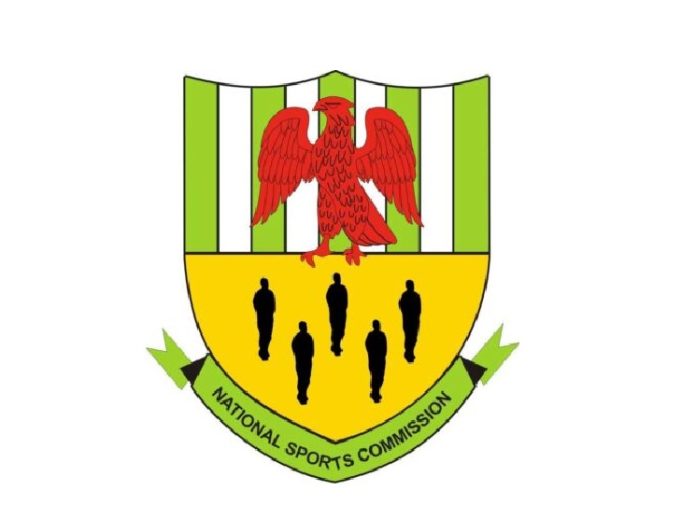
October 28, (THEWILL) – Nigeria’s sports administration is on the verge of a potential transformation. In the latest cabinet reshuffle by President Bola Tinubu, the redeployment of a former Minister of Sports Development has signaled a significant shift. This move marks the return of the National Sports Commission (NSC), a once-prominent institution in Nigerian sports management that was disbanded in 2015 under President Muhammadu Buhari.
The revival of the Commission raises both hope and concern. Will it solve the perennial problems afflicting Nigerian sports or simply rehash old ideas without meaningful progress?
The NSC, first established as the National Sports Council in 1962, had a prominent history in shaping Nigerian sports. By 1971, it was formally constituted by the Federal Military Government under Decree 34. The Commission enjoyed its golden era in the 1970s and 80s when it oversaw Nigeria’s participation in global sporting events like the Olympic Games and Commonwealth Games. It also coordinated national efforts that propelled the country to victories at the All-Africa Games and other continental competitions.

At the height of its power, the NSC worked closely with various sports associations, enabling better grassroots development and funding for athletes across the nation. However, its journey was not without setbacks.
After a series of name changes and reorganisations, the NSC was disbanded several times, most notably in 1995 and again in 2015 when the Ministry of Sports took over its functions. The official reasons for its dissolution revolved around inefficiency, mismanagement and concerns that its role overlapped with other governmental bodies, leading to bureaucratic confusion.
Despite its troubled history, the NSC also boasts notable achievements. In the early 1990s, it played a critical role in Nigeria’s participation in the 1994 World Cup, the nation’s first appearance at football’s biggest tournament. Similarly, the Commission was a key figure in Nigeria’s historic football gold medal at the 1996 Atlanta Olympics, an achievement that marked the peak of Nigerian sports on the global stage. Veteran sports administrators often point to this era as a testament to the positive influence the NSC could exert on sports development.
A recurrent issue that led to the dissolution of the NSC was its handling of financial resources. Chronic mismanagement and poor accountability plagued the institution, which ultimately weakened its capacity to deliver on its mandates. A failure to build sustainable sports infrastructure, coupled with the underfunding of local athletes and poor governance structures, resulted in its decline. These challenges mirror many of the problems facing the current sports administration under the Ministry of Sports, which has struggled with similar issues of resource allocation, poor leadership, and limited athlete support.
Some veterans in the sports industry who lived through both eras express a cautious optimism about the Commission’s return. Yet, one thing is clear: the restored NSC will need to address its historical shortcomings if it hopes to succeed. Central to this challenge is the need for effective leadership. In previous years, the NSC’s frequent change of directors and lack of continuity hampered long-term planning. If this pattern repeats, the Commission is unlikely to make a significant impact on Nigerian sports.
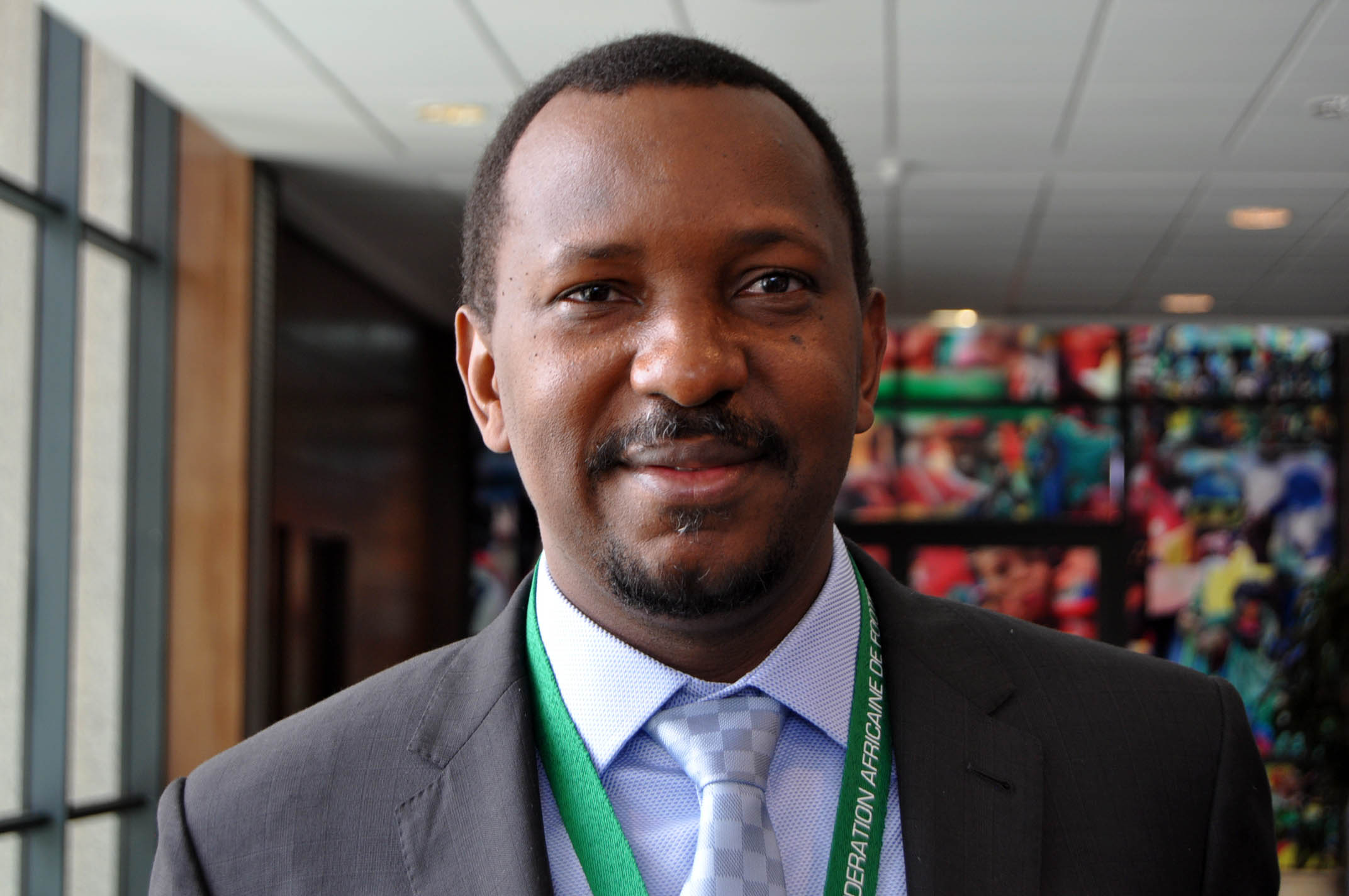
The new National Sports Commission (NSC) chairman, Shehu Dikko, has promised to transform Nigeria’s sports sector into a sustainable sports economy. With significant experience in sports administration, Dikko has emphasised the need for collaboration among stakeholders to achieve the NSC’s ambitious goals. He aims to enhance professionalism, improve infrastructure, and create economic opportunities across the sector. Media outlets and the public have reacted positively to his appointment, acknowledging the potential for growth under his leadership and the expected shift towards a more robust sports industry.
Another concern is the tendency for political interference in sports administration. Past governments often used the NSC as a political tool, meddling in its operations and making it difficult for the Commission to act independently. The new NSC must learn from these experiences and establish a clear, apolitical framework for its operations.
The return of the NSC also has potential benefits for grassroots sports development. Under the Ministry of Sports, grassroots programs have often taken a backseat to the high-profile, revenue-generating sports like football. The NSC, with a clear mandate and structure, could redirect attention and resources toward developing sports at the grassroots level. This would not only build a larger pool of athletes but also create pathways for emerging talents across various disciplines.
Furthermore, the NSC’s re-establishment could also tie into broader efforts to professionalise sports in Nigeria. With the increasing commercial potential of sports globally, Nigeria must find a way to tap into these opportunities. The NSC could be the body to spearhead this shift, providing the structure and governance necessary to attract investment and develop the professional side of Nigerian sports. However, this is contingent on the Commission’s ability to avoid the pitfalls of its past.
While there is much to be optimistic about, the restoration of the NSC comes with significant challenges. The risk of bureaucratic inertia, coupled with Nigeria’s long history of underfunding sports, looms large. The Commission’s ability to leverage partnerships, secure sustainable funding, and implement athlete-centred policies will determine its success. The mistakes of the past must serve as lessons, not roadmaps.
In the end, the return of the National Sports Commission represents both an opportunity and a gamble. If it can build on the successes of its past while avoiding the bureaucratic entanglements and mismanagement that previously led to its downfall, the NSC could become a vital force in Nigerian sports. As President Tinubu’s administration looks to revitalise this key sector, the fate of the NSC will be a bellwether for broader efforts to elevate Nigeria’s standing on the global sports stage. The challenge is clear: will the NSC rise to the occasion, or will it falter under the weight of its history? Only time will tell.

Jude Obafemi is a versatile senior Correspondent at THEWILL Newspapers, excelling in sourcing, researching, and delivering sports news stories for both print and digital publications.