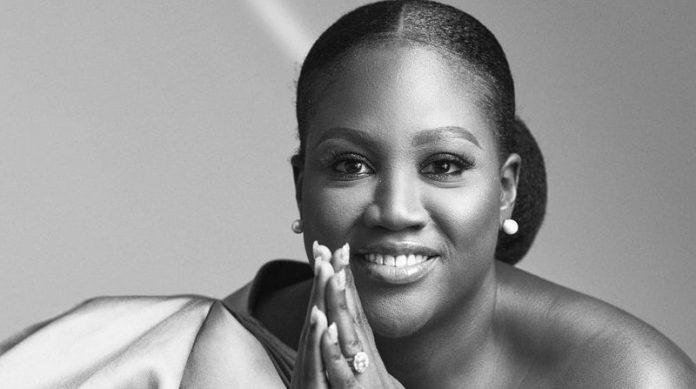
January 28, (THEWILL) – The Principal and founder of ‘The Fashioned Museum’, Tejumola Maurice-Diya, speaks with IVORY UKONU about the museum and why it is an integral part of the rich and ever-evolving African fashion heritage, as well as her plan to activate a broader and timely conversation around contemporary fashion in an ever-changing world. Excerpts:
What is ‘The Fashioned Museum’ all about? Why did you establish it in the first place?
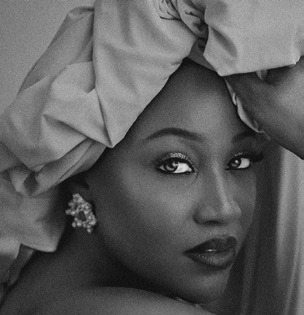
The ‘Fashioned Museum’ stems from the fact that I am a fashion historian who walks people through the history of fashion and helps them to see the differences between the history and the future of fashion.

The Fashioned Museum is an accumulation of beautiful history in general of what Nigeria does and what its people can offer as Africans. It is a collection of the years past and the future. It is a fashion-oriented organisation committed to making fashion accessible, inclusive and sustainable. Its mission is to activate a broader and timely conversation around contemporary fashion in an ever-changing world.
For this to happen, the young ones and fashion entrepreneurs need to understand the history of fashion, the place of fashion in Africa and how to position themselves to be ready for partnerships with international brands.
What is your fashion story?
I have been in the fashion industry for over 12 years. I was once a model and a stylist. At some point I started a children’s clothing line. With all that experience, I am fully aware of the challenges facing business entrepreneurs in terms of scaling, quality of their designs and finishing of their product. This is what really birthed The Fashioned Museum. People need to get to a point where they can find solutions to their problems so that we can take our rightful place in the fashion world.
What was your experience like working as a model?
I modelled for over 12 years ago. I was born and raised in Chicago, attended the University of Illinois where I studied Communication. We had a panel of African students and every time, we would run parties and themes and I would model for them. That was literally how I began my modelling career.
Do you still model?
No, but I am open to partnership.
You are also the brain behind ‘Bridging the Gap,’ an offshoot of ‘The Fashioned Museum’. What is that all about?
Bridging the Gap is a vibrant celebration of Africa’s rich fashion heritage and a catalyst for fashion’s promising future. It is an integral part of the Museum’s mission to activate a broader and timely conversation around contemporary fashion in an ever-changing world.
The immediate aim is to celebrate the ever-evolving world of fashion by bridging the gap between the younger generation and the older generation, as well as between the Western World and the African continent. It is a call-to-action to connect, learn and envision a brighter, more inclusive and sustainable fashion world.
The immersive experience unites fashion enthusiasts, industry professionals and aspiring fashionistas to bridge the gap between the rich history of African fashion and its promising future.
It is a vibrant celebration of Africa’s rich fashion heritage and a catalyst for fashion’s promising future. African culture is finally taking its rightful position on the global stage with the explosion of broader music and culinary acceptance across the globe.
I have little doubt that fashion is the next frontier for us to showcase. We are highly creative and there is a place for us in this global village. We are here for this.
Also, very often there are negative associations that can be made with being a Nigerian and it is very important to change that narrative to help people, particularly upcoming fashion brands, to recognise that they need to focus on the bright side of things. They need to embrace being Africans and Nigerian. They should be able to know that their dreams are valid at the end of the day and they have a place in the world. In addition to the reassurances, small business owners are also taught how they can scale up their businesses and strategically position themselves to be ready for partnerships with international brands.
Bridging The Gap event is poised to become an annual event designed to essentially catch people at the grass root level.
 What was the inaugural edition of ‘Bridging the Gap’ like?
Although fashion business owners were part of the inaugural edition, we chose to include students in secondary schools. It was targeted towards those who are -passionate about fashion in general.
Why the choice of students? Were they fashion-inclined?
Well, it was to essentially help them to see that there is a rightful place for them if they choose to go the way of fashion, for them to be able to see how to express themselves, through fashion and even through whatever it is that they do.
The essence was to help them to understand what their dreams could be made up of. So there was a presentation that walked them through the history of Africa, and the history of African fashion. And by going through the history of Africa in general, we talked about culture, natural resources, food and the arts so that the students could understand what Africa actually represents. Later, we went to the African fashion aspect. It was essentially about how they can be successful in whatever they find themselves doing. At the end of the day, it was about pushing them towards achieving those goals they consider critical.
How did you imagine this was possible, where did you draw your inspiration from?
This will sound like a cliché, but my inspiration is the Holy Spirit. Everything that has come to mind is eventually me partnering with the Holy Spirit, and him telling me what it is that I need to do and where the gap is that needs to be bridged.
You once owned a children’s clothing brand. Are you thinking of resuscitating it or owning a proper fashion brand?
I don’t know. Let us see what God has in mind. I don’t know what the future says. If it is meant to be, then I would actually go for it. I am very passionate about fashion. I would love to have a collection someday, maybe potentially partner with an international brand. I am open to international partnerships, if they are interested in creating the designs.
How would you define your personal style?
I love African textiles. I love to wear ‘Aso oke,’ ‘Ankara,’ and ‘Adire,’ as they are very comfortable and sustainable for me and that is what inspires me. Using our natural fashion to create fashion dresses.
Ivory Ukonu is a versatile journalist with many years of experience, with entertainment and society reporting as her area of core competence.