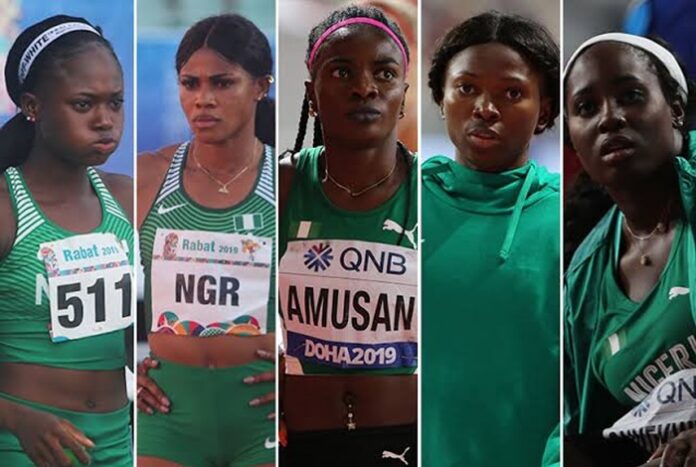
February 03, (THEWILL) – The National Sports Commission (NSC) of Nigeria has launched the Elite Athletes Development and Podium Board, a structured initiative designed to improve the country’s international sporting performance. This marks a decisive step in addressing the challenges that have hindered Nigerian athletes from consistently excelling on the global stage.
The Chairman of the Commission, Mallam Shehu Dikko, led the inauguration ceremony, highlighting the board’s role in athlete identification, training and welfare. He underscored the importance of sustainable investment, stating that, for the first time in the nation’s sports history, a dedicated budget line has been created for international competitions. This move aims to prevent the last-minute preparations that have frequently undermined Nigerian athletes’ chances at major events such as the Olympic Games and the Commonwealth Games. The initiative will also receive legal backing once the NSC Act undergoes the necessary review, ensuring long-term continuity.
At the heart of the board’s mandate is the identification of priority sports for investment. Nigeria has traditionally excelled in football, athletics, boxing, and weightlifting, but inconsistent support structures have led to fluctuating results. While the country celebrated a historic moment in 2022 when Tobi Amusan won gold at the World Athletics Championships, setting a new world record, subsequent years have not matched this level of success. The 2024 Paris Olympic Games, the Africa Cup of Nations, and other major events yielded disappointing results, raising questions about the effectiveness of existing support systems.

The new board seeks to address these gaps by offering incentives to athletes, conducting feasibility studies for high-performance centres, and providing career transition opportunities through coaching and mentorship programmes. This approach aligns with successful models from nations such as South Africa, the United States and the United Kingdom, where athlete support structures have been instrumental in achieving consistent results.
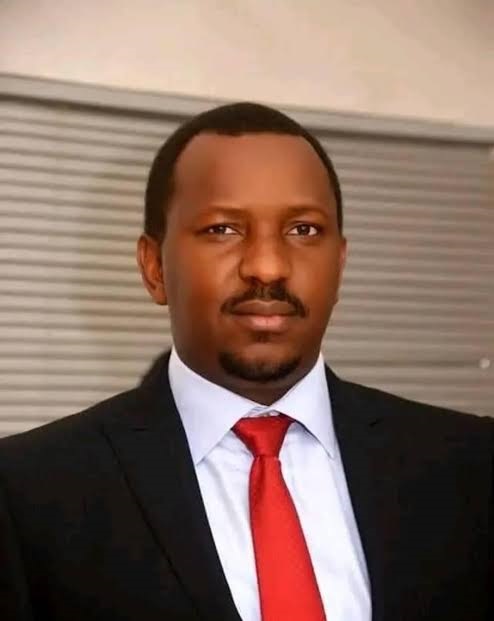
Leadership will play a critical role in the board’s success. Former Nigerian international Yusuf Ali has been appointed as Chief Executive Officer, bringing valuable firsthand experience as an elite athlete. He is supported by a diverse group of professionals and sports administrators, including Prof. Ken Anugweje, Olumide Bamiduro, Dr. Emmanuel Igbinosa, and Mary Onyali, among others. Their combined expertise in sports administration, athlete management, and high-performance training is expected to drive effective policy implementation.
One of the board’s major tasks is the establishment of high-performance centres equipped with modern training facilities. Many Nigerian athletes currently train abroad due to inadequate local infrastructure. This reliance on foreign facilities creates financial burdens and often limits the number of athletes who can access top-tier training. Developing homegrown training centres will not only cut costs but also provide younger athletes with exposure to high-performance environments from an early stage in their careers.
Beyond training, financial stability remains a key concern for Nigerian athletes. Unlike their counterparts in wealthier nations, many athletes struggle with sponsorship and lack consistent financial backing. The board has outlined plans to work closely with private sector investors to create funding opportunities. Encouraging corporate sponsorships and government-backed incentives could significantly improve athletes’ welfare and motivation.
An important aspect of the initiative is the post-career development programme. Many Nigerian athletes have found themselves struggling financially after retirement, often due to a lack of career planning. The board intends to implement structured mentorship and coaching pathways, ensuring that athletes transition smoothly into roles within sports administration, technical coaching, or mentorship for upcoming talents.
Despite the promising framework, challenges remain. Bureaucratic inefficiencies have long plagued Nigerian sports administration, and without strong oversight, the risk of mismanagement of funds cannot be ignored. The effectiveness of this initiative will depend on how well governance structures are enforced to maintain transparency and accountability. Additionally, the board must navigate resistance from traditional stakeholders who may be reluctant to embrace a more scientific approach to athlete development.
Grassroots development is another area requiring urgent attention. While the board focuses on elite athletes, long-term success depends on a steady pipeline of emerging talent. Schools and local sports academies need structured engagement to identify and nurture young athletes from an early stage. Establishing strong links between grassroots competitions and national-level scouting can ensure that potential stars do not fall through the cracks.
With careful implementation, the board has the potential to redefine the landscape of Nigerian sports. The creation of a structured support system for athletes, coupled with financial stability and career transition planning, addresses critical weaknesses that have hindered progress in the past. If executed effectively, this initiative could position Nigeria as a dominant force in international sports, capable of achieving consistent podium finishes rather than sporadic successes.
The path ahead requires patience, commitment, and strategic execution. The focus must remain on ensuring that athletes have access to world-class training, financial security, and long-term career planning. The involvement of experienced professionals in the board’s leadership is a positive step, but their success will ultimately be measured by tangible results in the form of improved performances at major competitions.
Nigeria’s sporting future depends on the ability to transform good intentions into lasting structural changes. The establishment of the Elite Athletes Development and Podium Board is a step in the right direction, but its impact will only be realised if its policies are fully implemented, monitored, and adjusted based on real outcomes. If the commitment to excellence is sustained, Nigerian athletes could finally have the consistent support they need to excel on the world stage.

Jude Obafemi is a versatile senior Correspondent at THEWILL Newspapers, excelling in sourcing, researching, and delivering sports news stories for both print and digital publications.