
-
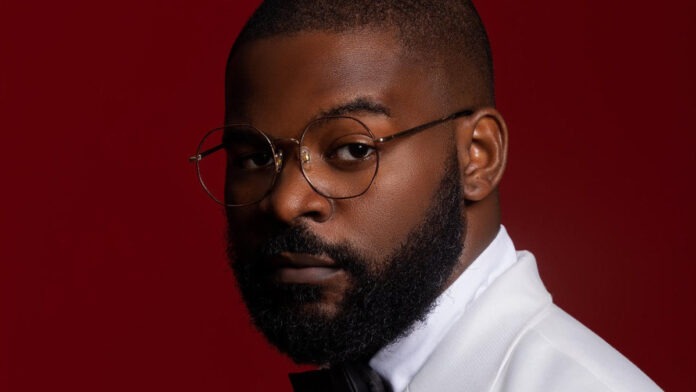
Nigerian rapper and actor Folarin Falana, popularly known as Falz, has explained why he stopped actively representing clients in court.
-
The entertainer said the demands of his music career and growing public profile made it difficult to maintain a legal career alongside entertainment.
-
Falz recalled a courtroom moment when a judge recognized him for his activities outside law, making him realize his fame could affect legal proceedings.
-
Although he stepped away from courtroom practice, Falz has remained active in social advocacy through his music, public statements and participation in national conversations.
August 5, (THEWILL) — Nigerian rapper and actor Folarin Falana, popularly known as Falz, has explained why he stopped actively practicing law, saying the demands of his music career made it difficult to continue.
Falz studied law at the University of Reading in the United Kingdom before completing his legal training at the Nigerian Law School in Abuja.
He was called to the Nigerian Bar in 2012 and later worked in litigation before focusing fully on entertainment.

Speaking during a recent interview on the Behind The Story podcast, the entertainer said balancing law and music was possible but became increasingly difficult as his career gained momentum.
“It is balanceable. But for me, I was an active performer and the music was taking up so much. I thought it would be incredibly difficult. I was doing litigation. I was going to court. I was working with my dad at the time. I would represent clients,” he said.
Falz recalled a courtroom experience that made him consider how his growing fame could affect his work as a lawyer.
According to him, a judge once recognized him after he announced his appearance in court and asked if he was “the one doing something on the side.”
He explained that, at the time, some lawyers already knew him as the son of human rights lawyer Femi Falana, while others were beginning to recognize him because of his rising profile in music.
Falz said continuing with litigation as his fame increased could have created distractions and affected clients’ confidence in his ability to focus on their cases.
“Imagine I am now starting to get more acclaim and I pull up in court, it would be chaos. It would distract everything. A client could say they do not want me, thinking I would be busy with other things. It would have been tough for me. My face is very much out there,” he added.
The rapper, who has cited the influence of his father’s human rights work and Afrobeat pioneer Fela Kuti, has built a reputation for addressing issues such as corruption, police brutality and poor governance through his music and activism.
He was among the entertainers who participated in the #EndSARS protests in 2020, where he spoke against police brutality, and has continued to use songs such as “This Is Nigeria” and projects like “Moral Instruction” to highlight social issues.

Evi Ben Ezaga writes on entertainment, culture, and trending stories.
