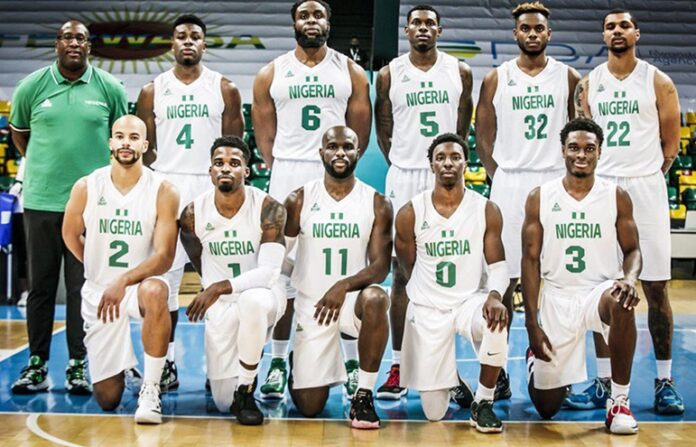
August 24, (THEWILL) — Nigeria’s men’s campaign at AfroBasket 2025 initially felt like a clear statement that the men’s team is again relevant at the top end of the continent. The group phase brought three wins from three, including a comprehensive result over the titleholders, before the run ended in the quarter-finals against a sharp and physical Senegal side in Luanda. The exit hurts, but the work on court over the past week has been strong enough to hold up next to the standards set by the women’s team and it should travel well into the next cycle.
The opening day against Madagascar offered control after half-time and a calm lead guard performance from Caleb Agada. Nigeria won 77–59, with Agada on 22 points and solid support from Stan Okoye, captain Ike Nwamu, and Kaodirichi Akobundu-Ehiogu. It was not perfect early on, but Nigeria tightened defensive coverage after the break and pulled away in the third quarter. That balance set a tone for how this team wanted to play: reliable half-court defence, direct rim pressure, and simple shots for the wings.
Two days later came the result that turned heads. Nigeria beat Tunisia 87–66, ending any aura around the holders and moving to 2–0. Josh Okogie drove the game with 33 points on efficient shooting, and Nigeria led from the jump. That the win came against the two-time defending champions mattered for more than the table. It put Nigeria back in the middle of the tournament conversation and confirmed that this group had the speed and aggression to trouble elite sides.

Cameroon arrived next and pushed the pace, but Nigeria had enough to manage the key minutes and close out a 99–90 win. That locked in first place in Group B and a quarter-final berth, the immediate proof that this team could stack results on short rest in a high-pressure event. The broader stage also mattered. The competition is split between Moçâmedes and Luanda, with the final phase in Luanda’s Kilamba Arena, and the size of the crowds and the rhythm of the schedule tested every roster in ways that go beyond tactics. Nigeria handled that part of the week well.
The quarter-final was a different fight. Senegal won 91–75, pulled clear on the glass, and found repeat scoring from Brancou Badio and Jean-Jacques Boissy. Nigeria’s wings were made to work off the ball, second-chance points piled up, and the three-point contest went against them. The numbers tell the story: Badio finished with 32 points, Boissy added 21, and Senegal won the rebound count 53–35. Nwamu spoke afterward of a difficult night and promised a better version of the team; coach Mohammed Abdulrahman pointed to details that slipped in both directions. There is no shame in losing to a team with that much shotmaking and size, but it is a clear marker for where Nigeria must level up.
Set against the recent past, this run is not an outlier. Nigeria knows what it takes to win the tournament. The 2015 title in Tunis remains a landmark, built on defence and execution under pressure, while the 2017 final run showed staying power in back-to-back cycles. The current group sits in that lineage. The standards were set a decade ago; the job now is to sustain them.
One source of optimism is the range of backgrounds in the squad. Okogie brings top-tier athleticism and shot creation. Nwamu and Okoye add experience and decision-making in late-clock sets. Agada arrived from a league title with Al Ahly Ly and has shown he can drive pace without losing control. The federation named Nwamu and Okoye as captains before the tournament with a core that also included Agada and Okogie, under Abdulrahman, who stepped up from a long track record in the domestic game. That blend of NBA-level speed, BAL-hardened guards, and veterans who have banked years in national colours is usually what wins tight games in Africa.
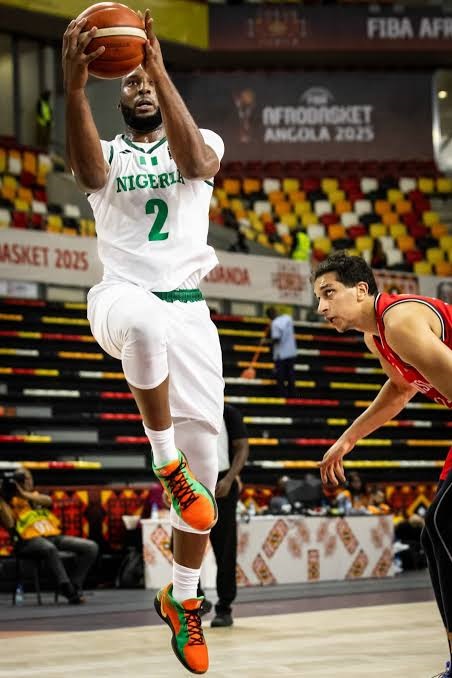
Form carried in from club basketball helped. Boissy, who cut Nigeria in the quarter-final, is the reigning BAL Most Valuable Player, and Agada’s club were champions in 2025. Nigeria is also benefitting from a lift in the domestic and regional ecosystem, seen in Rivers Hoopers reaching the BAL podium last year. Momentum in those competitions builds habits that matter at AfroBasket. Players arrive sharper, used to travel and noise, and better at adjusting when the whistle or the pace turns.
The draw and the venues added context to how the week unfolded. Group B played in Luanda, with the knockout rounds also in the capital. The Kilamba Arena and the Welwitschia Mirabilis hall in Namibe have delivered a strong event, and thquarter-finale schedule has been tight. It rewards sides that manage energy, lean on second units, and avoid foul trouble. Nigeria’s group wins suggest that the rotation is deep enough to handle the load, but the highlighted the need for a stronger rebounding core and more reliable shooting variance control, especially when the game slows and the opponent targets the defensive glass.
There is also the bigger national story. The women’s team won a fifth straight crown in Abidjan this month, the first team to do so in the competition’s history. That is a benchmark for Nigerian basketball as a whole. It lifts expectations, grows the fanbase, and, crucially, proves that organised, disciplined teams from Nigeria can win again and again under pressure. The men do not need to mirror the exact style to learn the same lesson.
The men reached Angola the hard way. The qualifiers were messy at the start and then excellent in the second window. Agada spoke about a group that stuck together and flipped its record when it mattered. That same edge ran through the best moments in Luanda. The first half against Tunisia, when the ball popped and every run was answered, looked like a team with shared habits, not a short-term selection. Keeping that identity through future windows should be the plan.
There are clean fixes to take from the loss to Senegal. Defensive rebounding and transition defence are the first two. Senegal’s extra possessions turned into rhythm threes and pressure in the lane, and Nigeria never forced a long drought in reply. Nigeria also needs a second reliable off-dribble creator behind Okogie in knockout games when opponents load up on him. Agada can be that player, and so can Nwamu in stretches, but the team will want another handle that can force rotations without a screen. The staff will also look at foul economy. When the frontcourt picks up early fouls, Nigeria can lose verticality at the rim and becomes too reliant on help, which opens kick-outs. None of this requires a change in identity. It is detail, and it is within reach.
There is no need to overthink the bigger direction. The core is sound, the pipeline from international clubs is active, and the environment around the team is improving. The tournament itself has been well staged in Angola, with strong attendance and a clear schedule, and Nigeria showed it can win in that setting. The quarter-final exit is a setback, but the group phase was convincing, and it came against opponents that set a high bar for any contender. This run is not the finish Nigeria wanted, but it reads like the start of a stretch where the team is present late in tournaments rather than hoping to qualify for them. The women have already proved that Nigeria can live at the top. The men have had a taste again. The next step is to carry this form into the next windows, keep the same defensive base, and round out the areas that cost them against Senegal. If that happens, Nigeria will arrive at the next AfroBasket with both belief and evidence.
If this is the level after a short camp and a tough route through qualifying, the ceiling looks higher than the past few years. The staff and leaders have something to build on, and the blueprint is straightforward. Keep Okogie in space. Keep Agada on the front foot. Keep the wings hunting in transition without giving away the lane. Own the glass. Defend without gambling. It is not easy to do all that across a week in Luanda, but this tournament showed that Nigeria is again able to set a standard, not only chase one.

Jude Obafemi is a versatile senior Correspondent at THEWILL Newspapers, excelling in sourcing, researching, and delivering sports news stories for both print and digital publications.