December 15, (THEWILL) — Nigeria has formally submitted its bid to host the 2031 African Games, a move that represents both a strategic pivot following recent disappointment on the global stage and a calculated gamble on the transformative power of sport. The proposal was presented to the African Union Sports Council in this December, after the country’s bid to earn the hosting rights for the 2030 Commonwealth Games lost to the Indian bid, leaving Nigerian officials to regroup and redirect their considerable ambitions towards the continental arena.
The timing is deliberate. Under the leadership of Mallam Shehu Dikko and Director-General Bukola Olopade, the National Sports Commission has been championing what it terms a “sports economy” agenda, positioning athletic competition not merely as recreation but as a viable economic sector capable of generating employment, stimulating tourism and forcing overdue infrastructure improvements. The 2031 bid serves as the first major test of this philosophy, a statement of intent that Nigeria remains determined to position itself as the default hub for major African sporting events.
Veteran broadcaster and sports administrator Mainasara Ilo presented the official documents, emphasising the country’s organisational experience accumulated through hosting a succession of continental competitions in recent years. These include the Confederation of African Athletics youth championships, the Africa Military Games, the West Africa Para Games and various continental tournaments in karate, table tennis and taekwondo.

Nigerian officials argue that these events, though smaller in scale, have allowed administrators to refine logistics and security protocols whilst demonstrating tangible economic benefits. According to commission reports, the athletics championships alone generated business for more than 5,000 small and medium enterprises, whilst other events created hundreds of direct jobs across hospitality, transport and event services.
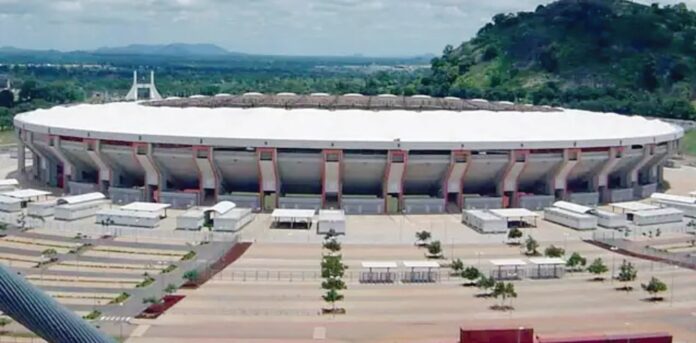
Yet the shadow of history looms large over this ambition. Nigeria last hosted the African Games in 2003, when the event took place in Abuja under the moniker COJA. Whilst that edition brought spectacular sporting moments and a newly constructed national stadium, it also left a legacy of debt and facilities that fell into severe disrepair. The Moshood Abiola National Stadium, the centrepiece of that tournament, suffered nearly a decade of neglect before recent interventions restored some functionality. For many Nigerians, the memory of white elephant projects consuming public funds without delivering lasting value remains vivid, raising legitimate questions about whether the 2031 proposal can avoid repeating past mistakes.
The financial implications demand scrutiny. Ghana’s hosting of the 2024 African Games reportedly cost more than $195 million in infrastructure spending alone. For a nation navigating complex economic reforms and persistent inflationary pressures, committing to expenditure of this magnitude requires a watertight business case and transparent budgeting. The National Sports Commission has suggested that private sector partnerships will drive the project, but Nigerian history suggests that federal government ultimately bears the cost when budgets overrun and corporate sponsors fail to materialise.
The bid does not exist in isolation. Nigeria has been steadily building a portfolio of continental sporting responsibilities, having acquired hosting rights for the African Union Sports Council Summit in 2027 and the Africa School Games in the same year. This sequential approach indicates a deliberate strategy rather than an isolated impulse, creating a timeline of events designed to demonstrate capacity and build political capital within African sports governance structures. African sports ministers expressed support for Nigeria’s hosting ambitions during a virtual meeting in August, suggesting that the diplomatic groundwork has been carefully laid.
The success of any bid, however, depends not simply on securing the event but on executing it competently and leaving a sustainable legacy. This is where Nigeria’s record becomes more complicated. The National Stadium in Surulere, Lagos, which hosted the 1973 Games, spent large portions of the past two decades as a derelict structure. Without rigorous post-event management strategies, clear contracts for facility maintenance, and a year-round calendar ensuring stadiums generate revenue, the 2031 Games risk becoming another drain on the national treasury rather than the economic catalyst officials promise.
Athletes themselves view the prospect with mixed feelings. A home games eliminates the travel fatigue that plagues African teams and offers the rare opportunity to compete before local supporters. Historically, host nations also increase funding for training camps and equipment in the years preceding major events. Yet athletes remain wary of the distraction hosting causes, as resources that should flow directly to welfare are often diverted to construction contracts, administrative overheads and, allegedly, private pockets. The leadership must balance the desire for concrete and steel with the human needs of the sportsmen and women who are the event’s primary purpose.
The logistical challenges are formidable. Moving thousands of athletes, officials and journalists across a country with variable transportation infrastructure cannot be understated. Whilst the bid committee has highlighted improvements in rail connectivity and airport terminals, the crucial “last mile” transport within cities such as Lagos and Abuja remains a persistent concern. Traffic management will be critical, and the experience of 2003 demonstrated that dedicated transport lanes and systems are essential to maintain event flow.
Political continuity presents another uncertainty. The Games are scheduled for 2031, a date lying beyond the current political cycle, meaning commitments made today must survive potential changes in government. Nigerian history is littered with abandoned projects linked to a lack of continuity between administrations. The National Sports Commission must institutionalise the bid sufficiently to ensure it transcends individual tenures and remains a national priority regardless of who occupies leadership positions.
The African Union Sports Council will now evaluate Nigeria’s submission against multiple criteria, including infrastructure, organisational capacity, governance stability, and the ability to manage complex logistics for participants from across the continent. The council’s Technical Committee develops assessment guidelines, and selected hosts conclude formal agreements outlining planning and delivery obligations. Other nations may harbour interest in hosting, meaning Nigeria cannot assume the bid will succeed unchallenged.
Should Nigeria prevail, the real test begins immediately. The nation’s notorious record for construction delays means the commission must demonstrate it can deliver projects on schedule and within budget, a feat that has eluded many previous administrations. Transparency will be paramount. The opacity of budgets in past international events created a deficit of trust between the public and sports administrators. To win popular support, the commission will need to publish clear financial outlines, explaining precisely where every naira originates and how it will be spent. If the private sector is genuinely the engine driving this bid, the names of corporate partners and the nature of their investments must become public knowledge.
The 2031 African Games represents a crossroads for Nigerian sport. It offers an opportunity to create a self-sustaining sports industry that generates employment, attracts investment and enhances the nation’s international profile. Alternatively, it risks becoming another chapter in a familiar narrative of financial mismanagement and unfulfilled promises. The formal submission marks merely the beginning of a long and arduous process. Transforming ambition into reality will require discipline, honesty and a decisive break from the patterns that have held the sector back. Whether Nigeria possesses the institutional maturity to deliver on this scale remains an open question, and the continent will be watching closely for the answer.

Jude Obafemi is a versatile senior Correspondent at THEWILL Newspapers, excelling in sourcing, researching, and delivering sports news stories for both print and digital publications.