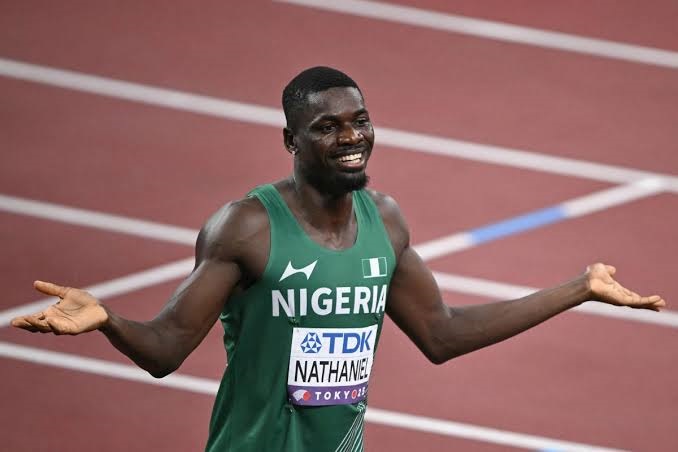
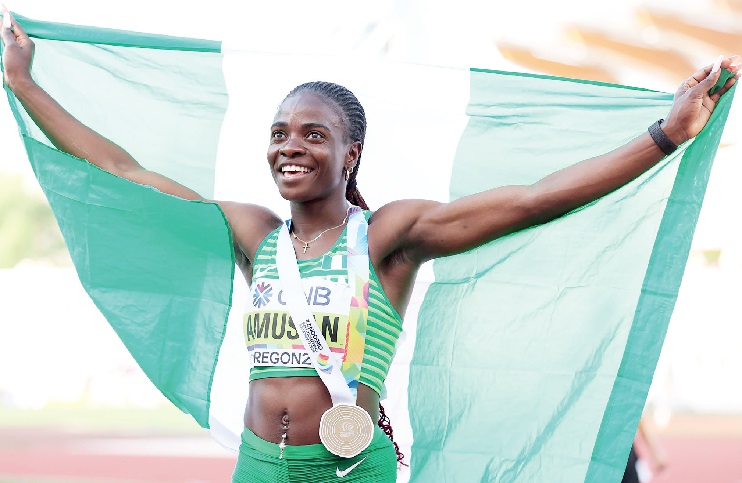
September 21, (THEWILL) — The 2025 World Athletics Championships in Tokyo, which held between September 13 and 21, offered Nigeria both vindication and exposure of faults. About 15 athletes represented the country. One silver medal came through Tobi Amusan in the women’s 100m hurdles. Other performances included Kanyinsola Ajayi reaching the men’s 100m final (finishing sixth), Ezekiel Nathaniel placing fourth in the 400m hurdles and Chukwuebuka Enekwechi finishing fifth in the shot put. These results confirm that Nigerian athletes remain competitive on the world stage, but they also underline how non-performance issues, such as logistics, governance and preparation are costing potential.
Tobi Amusan’s silver in the 100m hurdles stood out. She ran 12.53 seconds in the heats and 12.36 in the semi-final, before clocking 12.29 in the final. Her trajectory at this championship carried weight because she is a world record holder, and because she had spoken openly about challenges off the track, including what she described as inadequate equipment and treatment by the federation. Her comments went viral, especially her criticism about receiving kits in small nylon bags and not having all the items she expected, such as proper shoes, despite supplying her size. She compared Nigeria unfavourably with other countries whose athletes arrived with more formal packing, like suitcases.
The Athletics Federation of Nigeria responded with denials. President Tonobok Okowa said that the kits were provided in batches, and that Amusan had displayed only the first packet rather than the full set. He maintained that essentials, spikes, shoes, uniforms, were delivered, but acknowledged that one item (a travel bag) was missing because the World Athletics organisation had provided it. Okowa also said Amusan was flown business class to Tokyo after she requested an upgrade. Other federation officials said that the sponsor, HiRacer Running, had arranged the kits and that the arrangement (including packaging) was similar for other countries under the same sponsorship.

Beyond Amusan’s situation, Nigeria’s absence from all relay events was a conspicuous failure. The country missed the qualifying path because its teams did not take part in the World Relays in Guangzhou, China, following visa issues and administrative lapses. Without that qualification, Nigeria could not enter relay teams in Tokyo. This is especially significant given that relays have often served as chances to win medals or gain experience, even when individual events fall short.
The men’s 100m field saw Kanyinsola Ajayi produce a major result. He ran 9.88 seconds in the heats, 9.93 in the semi-final, then 10.00 in the final to finish sixth. That marks the first time in nearly 20 years a Nigerian male sprinter has made the 100m final at the World Championships. Ezekiel Nathaniel also came fourth in the men’s 400m hurdles, and Enekwechi’s 21.52m in shot put placed him fifth among elite throwers. Among the women, aside from Amusan, there were less successful efforts in field events: Ese Brume did not advance beyond long jump qualification, and others like Prestina Ochonogor, Chioma Onyekwere-Lyons, and Oyesade Olatoye failed to reach finals in their respective throws. Nigeria won one medal overall, Amusan’s silver. There was neither gold nor bronze.
Several lessons emerge from this. Firstly, performance depends on more than raw talent. Preparation logistics, appropriate equipment, and clear communication matter as much as physical training. When athletes feel under-supported, morale is affected. Amusan’s complaint struck a chord because it reflected what many believe are recurring problems. The fact that the federation responded defensively suggests that systemic issues have not surfaced in full. Secondly, absence from relay events shows that administrative failure has a competitive cost. Relay medals and framing as a team contribute to national standing. When these are lost because of paperwork or visa issues, the damage is beyond lost medals. It also affects athletes’ development, especially younger or less experienced ones who rely on relay exposure.
Thirdly, the need for transparency in kit supply and travel arrangements is urgent. Full disclosure of what was contracted with sponsors, schedule of deliveries, what items were included, how they were distributed, all these must be standard practice. If items are sent in batches, athletes should know in advance which items will arrive when. The travel upgrades, like the business class flight arrangements for Amusan, may matter less to many if they believe essential gear was delayed or missing. Fourthly, selection and registration must be done with enough lead time. Athletes should not find themselves unable to compete in relays or missing out on qualification because of last-minute administrative disruptions. Otherwise, another Favour Ofili will switch national allegiances to compete for a country with far better athlete welfare.
Nigeria leaves Tokyo with reasons to believe that its athletes remain capable of world-class performances. A young sprinter in a world final, a thrower among the top five, a champion returning to the podium, all these are heartening. Yet, unless the AFN, Sports Commission and related bodies take these incidents seriously, these will be isolated successes rather than part of sustained progress. Should the Federation wish to build on what worked, it must begin by auditing the mishaps to pinpoint where there was negligence and where communication broke down that led to Amusan’s viral clips. The Federation must build systems that ensure that equipment arrives properly, that all athletes are registered and qualified in time, and that standards of athlete welfare are upheld.
Nigeria’s performance in Tokyo matters. It is not sufficient to win a medal here or there. What matters is that the structure around the athletes allows them to compete without distraction, without delay, and without worry over gear. If that is fixed, then the medal count, the finals appearances, and national pride can follow.

Jude Obafemi is a versatile senior Correspondent at THEWILL Newspapers, excelling in sourcing, researching, and delivering sports news stories for both print and digital publications.