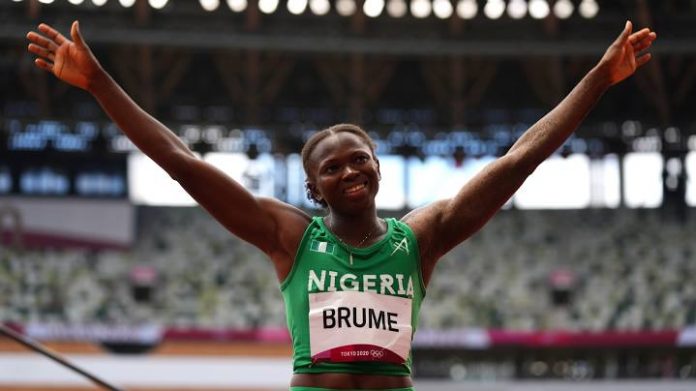
September 15, (THEWILL) — As the sun rises over Tokyo’s iconic National Stadium today, September 15, 2025, the third day of the World Athletics Championships, Nigeria’s contingent finds itself in a familiar mix of promise and peril. With over 2,000 athletes from 200 nations converging for this biennial spectacle, Team Nigeria’s story so far is one of individual brilliance overshadowed by institutional chaos. A modest squad of 15 athletes has managed flashes of excellence, notably in the sprints, but the absence of relay teams and kit controversies have sparked national outrage. This ongoing event, running from September 13 to 21, tests not just physical prowess but the resilience of a nation long plagued by administrative woes in sports.
Nigeria’s history in world athletics is a tapestry of triumphs and heartbreaks. The country has claimed 10 medals at the World Championships since its debut in 1983, including golds from stars like Tobi Amusan in the 100m hurdles (2022) and Ese Brume in the long jump (2019 silver, but upgraded). Yet, recent years have seen a decline, exacerbated by governance issues. The Paris 2024 Olympics were marred by Favour Ofili’s exclusion from the 100m due to registration errors, prompting her switch to Turkey, a loss of a generational talent who held the national 200m record at 21.96s. Ofili’s defection, announced just weeks before Tokyo, underscores a 30 percent rise in nationality switches from African nations since 2020, often due to administrative failures.
Team Nigeria’s composition reflects these constraints: 15 athletes, four coaches, two medical staff, and one additional member, with AFN President Tonobok Okowa and the Secretary General attending the World Athletics Congress. Key figures include sprint sensations Kanyinsola Ajayi and Israel Okon Sunday, hurdles queen Tobi Amusan, domestic shot put record-holder Chukwuebuka Enekwechi, and long jumper Ese Brume. Absent are relay squads, a glaring omission. Nigeria failed to qualify after missing the World Relays due to visa issues and not meeting times, but insiders allege the AFN replaced 11 qualified athletes with officials to claim estacode allowances (up to $500 daily per official). This echoes past scandals, like the 2012 London Olympics visa debacles, and has drawn sharp criticism on social media.

Compounding the drama is the kit controversy. On the eve of competition, Amusan vented on Snapchat about receiving “small nylon bags” with substandard outfits from sponsor Hiracer, while rivals got suitcases, igniting social media fury. AFN’s Okowa refuted this, claiming kits were delivered in batches and identical to those for 20 other nations. He accused Amusan of misleading the public and noted her business-class upgrade while others flew economy. Hiracer confirmed uniform distribution, but the spat highlights athlete-official rifts, distracting from the track.
With all that background furore, Day 1 set a bittersweet tone. In the women’s 100m, Rosemary Chukwuma clocked 11.27s but finished fifth in her heat, failing to advance. Long jumpers Prestina Oluchi Ochonogor and Ese Brume disappointed: Ochonogor placed second-last in qualification, while Brume missed the final, a shock for the Olympic silver medalist. Brighter spots emerged in the men’s 100m heats. 20-year-old debutant Israel Okon Sunday stormed to victory in 10.04s, announcing himself with poise. Kanyinsola Ajayi followed suit, qualifying comfortably. In shot put, Enekwechi advanced to the final with a solid throw, carrying hopes as Nigeria’s record-holder. The mixed 4x400m relay absence stung, especially as Kenya’s team set an African record before disqualification.
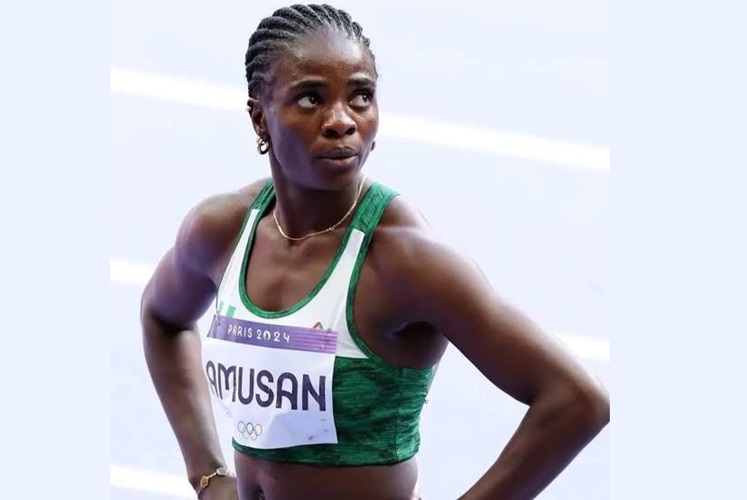
Day 2 delivered Nigeria’s highlight. Ajayi made history by reaching the men’s 100m final, the first Nigerian since Francis Obikwelu in 2007, clocking 9.93s in semis, second to Noah Lyles. In the final, amid a Jamaican sweep (Oblique Seville gold in 9.77s, Kishane Thompson silver 9.82s, Lyles bronze 9.89s), Ajayi finished sixth in 10.00s, a commendable debut but medal-less. Okon advanced to the semis but bowed out. Amusan, undeterred by all the ensuing kit drama, cruised to women’s 100m hurdles semis in 12.53s, winning her heat and all the way to a spot in the final. Enekwechi placed fifth in shot put final, a respectable effort but below his potential. In the men’s 400m, Chidi Okezie (45.66s, eighth) and Samuel Ogazi (45.97s, fifth) exited early.
As Day 3 unfolds on Monday, events include women’s 400m hurdles heats, 3000m steeplechase heats, and pole vault finals. Nigeria has no entries in steeplechase or pole vault, but Amusan’s semis loom large. If she advances, a medal could salvage the campaign; her world record (12.12s) makes her a favourite. Other potentials: Godson Oghenebrume in 100m (if entered), but focus shifts to hurdles and throws.
Standout performances underscore individual grit amid systemic flaws. Ajayi’s breakthrough, breaking an 18-year jinx, has fans buzzing with excitement for what is to come from the pacy athlete. Amusan’s resilience, despite calling out welfare issues, remains an inspiration. Enekwechi’s final appearance adds depth, while young guns like Okon signal a sprint revival.
Yet, challenges dominate the discourse. No relays mean forfeited medal opportunities. The record of Nigeria’s 1997 silver in the men’s 4x100m (37.94s NR) feels like a distant El Dorado. And, without reforms to right the ship of sports governance in the country, there will be very little surprise if promising athletes defect to represent more promising countries that properly see to the welfare of their contingents.
For now, Nigeria’s medal hopes rest on Amusan and Brume (if she rebounds in later events). The remaining days offer triple jump, 200m, and hurdles finals. A podium finish could boost morale, but systemic fixes, transparent funding, athlete-centered policies, are urgent. As President William Ruto rewarded Kenyan athletes with hikes (gold from Sh750,000 to Sh3 million), Nigeria must do likewise to retain talent.
In Tokyo’s electric atmosphere, Nigeria’s athletes embody national spirit: defiant, talented, yet underserved. Ajayi’s sixth-place dash, Amusan’s hurdle mastery and Brume’s resilient spirit are all flashing beacons of hope. One can only hope for more excellence from our sports heroes in spite of what they have to endure to achieve these heights expected of them.

Jude Obafemi is a versatile senior Correspondent at THEWILL Newspapers, excelling in sourcing, researching, and delivering sports news stories for both print and digital publications.