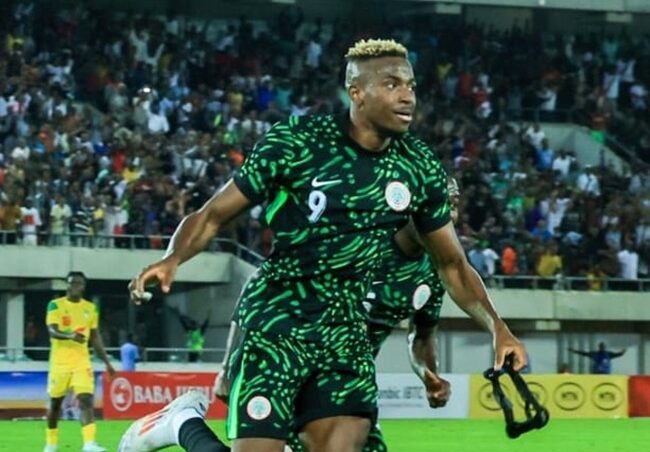
May 26, (THEWILL) – Eric Chelle has made a calculated decision that will either vindicate his coaching philosophy or expose Nigeria’s current limitations. The Super Eagles coach has dropped Victor Osimhen and Ademola Lookman from his Unity Cup squad, gambling on domestic talent while his team sits fourth in their World Cup qualifying group with just seven points from four matches.
The Unity Cup takes place from May 27 to 31 at Brentford’s Gtech Community Stadium, bringing together Nigeria, Ghana, Jamaica, and Trinidad and Tobago. The tournament returns after 21 years, reviving a competition that celebrates African and Caribbean football connections. Nigeria won the last edition in 2004, but their current form suggests reclaiming that title will prove difficult.
Chelle’s squad selection has surprised many observers. Osimhen, the 2023 African Footballer of the Year currently with Galatasaray, and Lookman, the 2024 CAF Player of the Year at Atalanta, would normally be automatic picks. Their absence, along with Victor Boniface, Calvin Bassey, and Alex Iwobi, is a major shift in team selection philosophy.

The coach has included nine players from the Nigeria Professional Football League, a significant increase from previous squads. Junior Nduka of Niger United, Sikiru Alimi from Remo Stars, Ifeanyi Onyebuchi of Enugu Rangers, and Adamu Abubakar from Plateau United all receive opportunities. These players have performed well domestically but lack international experience at this level. Ahmed Musa returns as captain after a year away from the national team. The veteran forward has scored eight goals for Kano Pillars in the NPFL this season, earning his recall through consistent performances. At 32, Musa brings experience to a squad that contains several newcomers to international football.
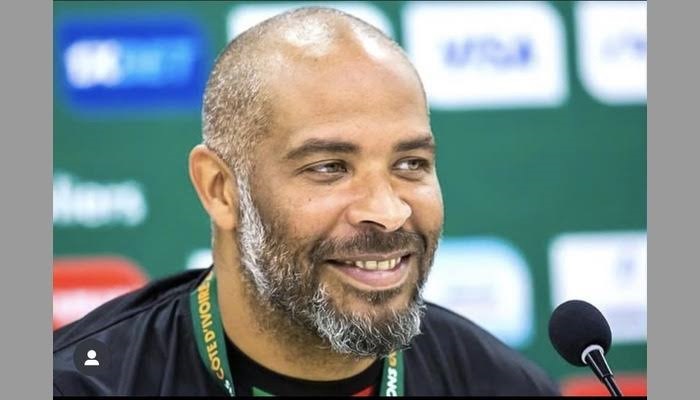
Chelle’s reasoning centres on player management and tactical experimentation. Both Osimhen and Lookman have completed demanding club seasons, and the coach wants them fresh for September’s crucial World Cup qualifiers. The tournament also falls outside FIFA’s international window, creating availability issues for Europe-based players.
Nigeria’s World Cup qualifying campaign has been poor. The Super Eagles have drawn with Zimbabwe and South Africa, lost to Benin Republic, and failed to win any of their opening four matches. South Africa leads Group C with 13 points, while Rwanda and Benin Republic both have eight points. Only group winners qualify automatically for the 2026 World Cup.
The team has also suffered from coaching instability. José Peseiro, Finidi George, and Augustine Eguavoen all departed before Chelle’s appointment. This constant change has disrupted team preparation and tactical consistency, contributing to their qualifying struggles. Chelle plans to use the Unity Cup to test new combinations while preserving his established players for more important fixtures. A friendly against Russia on June 6 will see the return of regular starters including William Troost-Ekong, Ola Aina, and Victor Boniface. This two-squad approach allows the coach to evaluate different options across multiple competitions.
The tournament format sees Trinidad and Tobago face Jamaica on May 27, followed by Nigeria against Ghana the next day. The Nigeria-Ghana match renews one of African football’s oldest rivalries, spanning 74 years of competitive meetings. Both teams need positive results to build confidence for upcoming qualifiers.
Assistant coach Daniel Ogunmodede has played a key role in identifying domestic talent. The Remo Stars coach, who led the club to the NPFL title this season, understands the quality available in Nigerian football. His input has helped Chelle make informed decisions about which local players deserve international opportunities. Christantus Uche of Getafe receives his first senior call-up at age 22. The forward represents the type of emerging talent Chelle wants to integrate into the national team setup. His inclusion alongside domestic players shows the coach’s commitment to building squad depth across different markets.
Public reaction has been mixed. Some fans support giving domestic players chances while others question the wisdom of dropping proven internationals. Social media discussion reflects uncertainty about whether this approach will succeed or backfire when results matter most. Also, the timing creates additional pressure. With World Cup qualification hanging in the balance, every match carries extra weight. The Unity Cup could build momentum for September’s qualifiers or expose weaknesses that opponents might exploit. Chelle must balance experimentation with the need for positive results.
Nigeria’s football infrastructure has historically undervalued domestic talent in favour of European-based players. Chelle’s selections challenge this approach, suggesting that NPFL performers can contribute at international level. The Unity Cup will test whether this belief translates into competitive success. The coach faces immediate scrutiny over his tactical decisions. Dropping Osimhen and Lookman removes Nigeria’s most reliable goal threats, placing greater responsibility on untested players. Moses Simon, Kelechi Iheanacho, and Wilfred Ndidi must provide leadership alongside Musa in a squad lacking international experience.
Ghana arrives in London facing their own challenges. The Black Stars have struggled in recent competitions and will view this tournament as a chance to rebuild confidence. Their rivalry with Nigeria adds extra motivation for both teams to perform well. On the other hand, the Caribbean teams bring different styles and approaches to the competition. Jamaica and Trinidad and Tobago have strong football traditions and will not simply make up numbers. Their inclusion adds unpredictability to a tournament where Nigeria can take nothing for granted.
Chelle’s long-term vision extends beyond the Unity Cup. He wants to build a squad capable of sustained success across multiple competitions. The integration of domestic talent supports this goal by creating competition for places and reducing dependence on a small group of established stars. The September World Cup qualifiers against Rwanda and Zimbabwe will ultimately judge Chelle’s methods. If his rested stars return refreshed and his new players gain valuable experience, the Unity Cup strategy will look smart. Poor performances in those crucial matches will raise questions about his team selection philosophy.
Nigerian football needs positive momentum after recent disappointments. The team’s failure to win a single match in four World Cup qualifiers has frustrated supporters who expect better from their national team. The Unity Cup offers a chance to change the narrative before more important fixtures arrive.
Chelle’s appointment brought hope for improvement after months of uncertainty. His experience coaching in African football and understanding of player development made him an attractive candidate. The Unity Cup is his first major test in charge of Nigeria’s senior team. The tournament concludes on May 31st with the final and third-place playoff. Nigeria’s performance will provide early indicators of Chelle’s impact and the team’s prospects for World Cup qualification. Success here could validate his approach, while failure might force tactical reconsiderations.

Jude Obafemi is a versatile senior Correspondent at THEWILL Newspapers, excelling in sourcing, researching, and delivering sports news stories for both print and digital publications.