

December 23, (THEWILL) – In the annals of Nigerian sports history, 2024 will be remembered as a year of profound achievement mixed with poignant challenges, shaping an intriguing narrative for what lies ahead in 2025. The year rolled out with expectations high for Nigerian athletes, who had shown in previous years a capability to dazzle on the world stage. Yet, the reality was a tapestry of bright spots and shadowy disappointments, each thread woven into the broader story of Nigeria’s athletic journey.
Athletics, arguably Nigeria’s forte, had its moments of brilliance. Samuel Ogazi’s journey to the 400m final at the Paris 2024 Olympics was a landmark achievement, marking the first time in over three decades a Nigerian male had reached this stage. His personal best set during the competition was not just a personal triumph but a beacon of hope for track and field in Nigeria. However, the absence of medals from the Olympics was a sobering reminder of the gap between potential and performance. Athletes like Favour Ofili, Chukwuebuka Enekwechi, and Rosemary Chukwuma did shine, establishing themselves among the world’s elite, with Ofili breaking a 14-year-old African record in the 300m. Their performances underscored the depth of talent within Nigeria but also highlighted the need for consistent support and better preparation.
Football, Nigeria’s beloved sport, had its share of highs and lows. Ademola Lookman’s crowning as the African Player of the Year was a moment of national pride, his hat-trick in the UEFA Europa League final for Atalanta cementing his place in history as the first to achieve this feat in a European competition final. His accolades were a testament to the individual brilliance that Nigeria can produce. Yet, the collective efforts of the Super Eagles and Super Falcons painted a more complex picture. The Super Eagles reached yet another Africa Cup of Nations final, showcasing resilience but ultimately falling short of securing the title, a scenario that called for introspection on team strategies and national team management. The Super Falcons, while not making headlines for victories, continued to build a reputation for tenacity and potential, with young talents emerging from the national team setup.

Basketball took an exciting leap forward with the D’Tigress. Their historic achievement of reaching the Olympic quarterfinals for the first time was a monumental step for women’s basketball in Nigeria. This breakthrough was not just about the games won but about the cultural shift towards recognising and supporting women’s sports more robustly. The team’s performance was a call to action for continued investment in women’s sports programs, highlighting the possibilities when opportunities are provided.
In other sports, Nigeria’s story was one of potential not fully realised. Boxers, weightlifters, and table tennis players qualified for the Olympics, showing that the talent pool is deep, yet the lack of medals pointed to systemic issues needing address. The narrative in these sports was of athletes who, despite their skills, battled against inadequate preparation, funding, and sometimes even administrative neglect.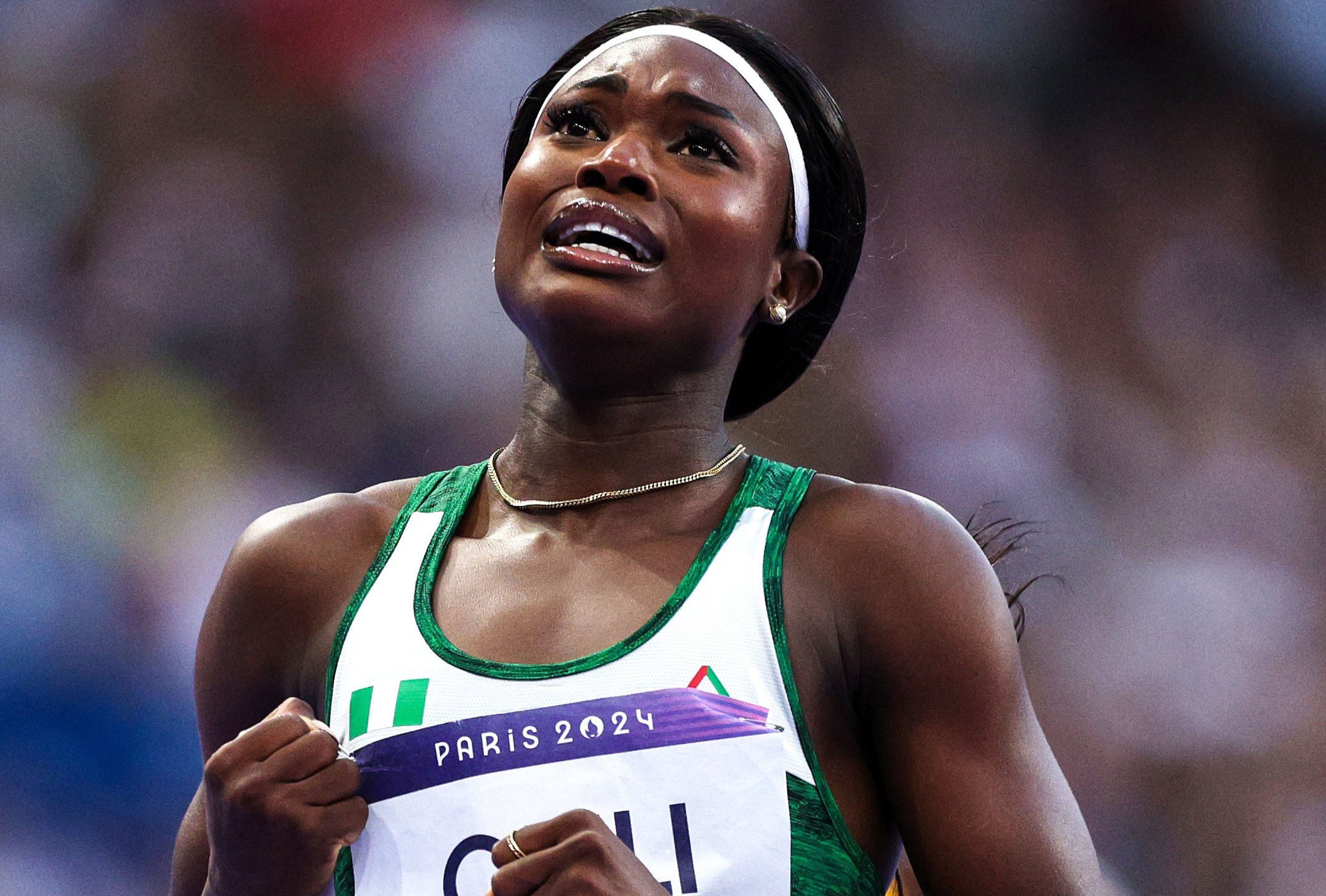
The year also brought to light the issue of Nigerian athletes opting to represent other nations due to better opportunities abroad. This talent drain was evident at the Paris Olympics, where athletes of Nigerian descent won medals for countries like Germany, the USA, and France. This phenomenon underscored the urgency for Nigeria to reform its sports administration, ensuring that its athletes not only have the chance to compete but to compete at their best under the Nigerian flag.
Looking ahead to 2025, the sports landscape for Nigeria is both a challenge and an opportunity. The upcoming Summer Olympics in Los Angeles provide a platform for redemption and advancement. The focus will undoubtedly be on enhancing the training and support systems for athletes, ensuring they are not just participants but contenders for medals. The Africa Cup of Nations, another major event on the horizon, will test the Super Eagles’ resolve to turn potential into victory, requiring a strategic overhaul in coaching and player development.
Moreover, the emergence of esports as a competitive sport globally presents Nigeria with an untapped arena. With the right investment in infrastructure and education, Nigeria could see its athletes excel in this digital sport, adding a new dimension to its sports portfolio.
The narrative for 2025 also involves a deeper commitment to grassroots sports development. Investing in school sports, local tournaments, and scouting systems can unearth and nurture the next generation of athletes. This grassroots approach is crucial for sustainable success, ensuring that Nigeria’s young talents have pathways to professional sports careers domestically.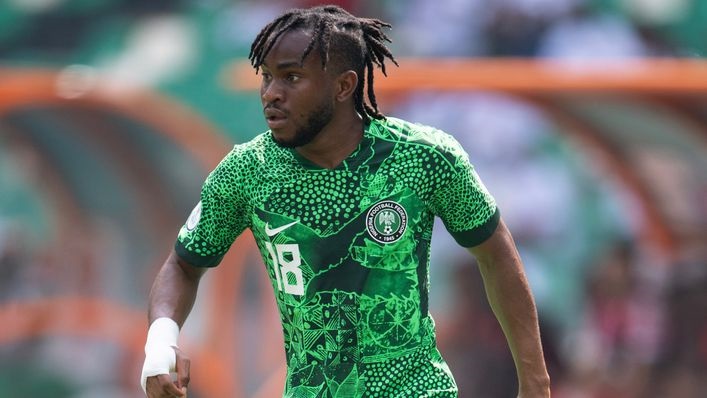
The year 2024, therefore, serves as both a lesson and a launchpad. It teaches the importance of preparation, strategic planning, and support for athletes. It also provides insights into where efforts must be concentrated to overcome the challenges faced. The outlook for 2025 is one of cautious optimism; with the right interventions, Nigeria can not only aim for more medals but also build a more robust and inclusive sports culture that celebrates its athletes and their achievements.
The journey ahead requires the collective effort of athletes, coaches, sports federations, and the government to forge a path towards excellence. It’s about turning the narrative from one of missed opportunities to one of realised potential. As Nigeria looks to the horizon of 2025, the promise of its athletes, combined with a newfound commitment to sports development, could very well paint a picture of success on the global stage, bringing pride and joy to the nation.

Jude Obafemi is a versatile senior Correspondent at THEWILL Newspapers, excelling in sourcing, researching, and delivering sports news stories for both print and digital publications.