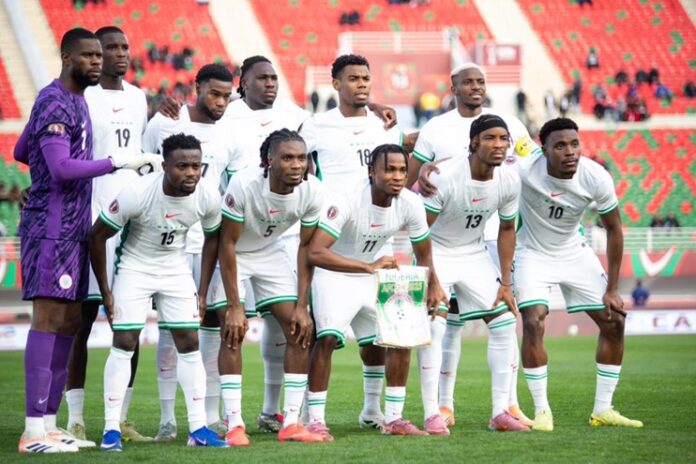
January 04, (THEWILL) — Nigeria’s 3-1 victory over Uganda on Tuesday evening completed a perfect group stage campaign at the Africa Cup of Nations in Morocco, yet it also crystallised the paradox facing the Super Eagles as they enter the knockout rounds. With nine points from three matches and a tournament-leading tally of eight goals, Eric Chelle’s side have announced themselves as serious contenders for a fourth continental title. Yet, the four goals they have conceded in those same fixtures reveal a defensive vulnerability that could derail their ambitions when the margins grow finer and the stakes rise higher.
The final group match in Fès offered a useful snapshot of both Nigeria’s depth and their recurring weaknesses. With qualification already secured, Chelle made eight changes to his starting lineup, handing opportunities to fringe players who responded with conviction. Paul Onuachu opened the scoring in the 28th minute with his first goal for the national team in several years, meeting a cross after sustained pressure from Nigeria’s wide players. Raphael Onyedika then stamped his authority on the match with two second-half strikes, demonstrating the kind of midfield dynamism that gives Chelle valuable tactical options should injury or fatigue strike his regular starters.
Still, even with the match effectively won, Uganda’s Rogers Mato found the net in the 75th minute following what has become a familiar pattern: a momentary lapse in concentration that allowed the opposition a foothold. It was the third consecutive match in which Nigeria had failed to keep a clean sheet, and whilst a late consolation goal in a dead rubber might seem insignificant, it echoed more concerning defensive lapses against Tunisia, where Nigeria surrendered a three-goal lead to concede twice in the final quarter of an hour.

The tournament began with promise rather than perfection. Nigeria edged Tanzania 2-1 in their opener, with Semiu Ajayi and Ademola Lookman finding the net either side of a Tanzanian equaliser. The victory over Tunisia was more emphatic in its creation than its conclusion, with Victor Osimhen, Wilfred Ndidi and Lookman establishing what appeared to be a commanding advantage before Tunisia’s late rally exposed Nigeria’s difficulty in managing games when ahead.
Tactically, Chelle has moved decisively away from the more cautious approaches that have characterised previous Nigerian campaigns. His side press high, seek to win possession in advanced areas and build through structured passing rather than relying on direct play. This philosophy has yielded dividends in attack. Six different players have scored across the three matches, with Lookman contributing two goals and two assists to earn a place in the tournament’s group stage best XI. Osimhen has provided leadership beyond his goalscoring, his movement creating space for others and his organisational presence helping to maintain composure during challenging moments.
The midfield has been particularly impressive, with Onyedika and Ndidi offering both creative thrust and defensive cover. Frank Onyeka’s introduction in earlier matches provided additional protection for the back line, suggesting Chelle is still searching for the optimal balance between attacking ambition and defensive solidity. The fluidity of Nigeria’s forward play, combined with midfield dominance in possession, has allowed them to dictate tempo and apply sustained pressure on opponents who have struggled to cope with their technical quality and pace.
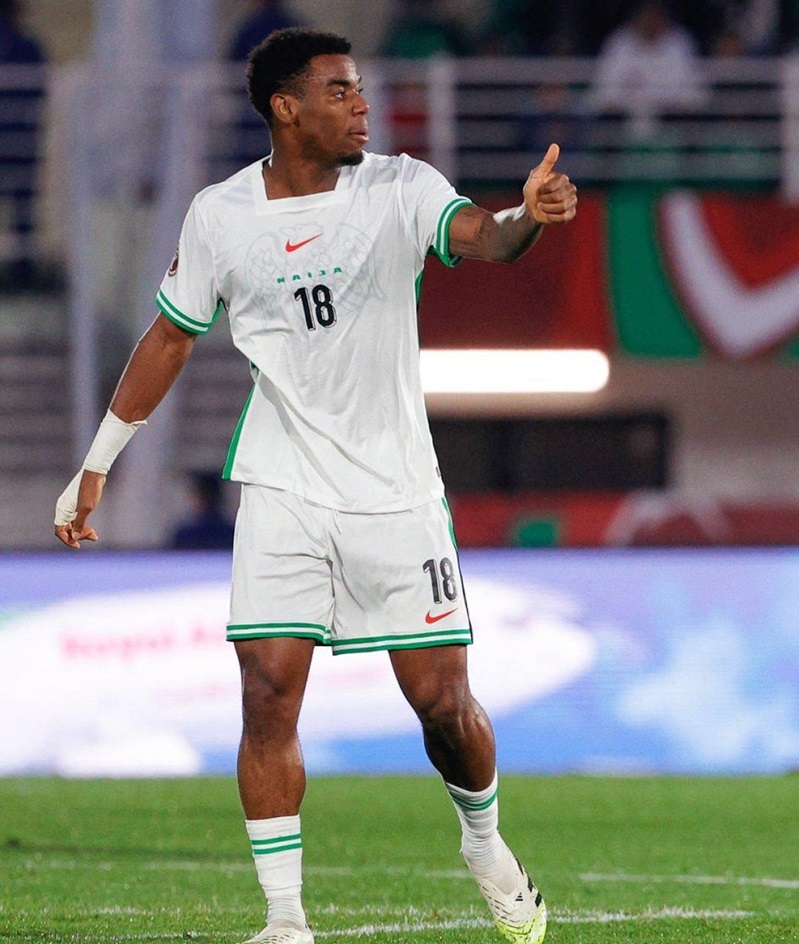
Yet, it is precisely this attacking intent that has left Nigeria’s defence exposed at times. The full-backs contribute enthusiastically to attacks but occasionally struggle to recover their positions, leaving central defenders isolated. Better communication between goalkeeper Stanley Nwabali and his back four appears necessary if Nigeria are to prevent opponents from creating easy chances in matches where tactical discipline will be paramount.
The psychological dimension cannot be ignored. This squad carries the weight of recent disappointment, particularly the painful 2-1 defeat to Ivory Coast in last year’s final, where Nigeria led for much of the contest before Sebastien Haller’s 81st-minute winner snatched the trophy away. That loss was part of a broader pattern: third place in 2019 after a semi-final defeat to Algeria, a round of sixteen exit to Tunisia in 2021, and numerous other near-misses since their last triumph in 2013. Chelle has spoken of fostering a calmer approach this time, and there are signs that the lessons of past finals have been absorbed. The unity within the camp and clarity of tactical purpose suggest a squad better prepared mentally for the high-pressure environment that awaits.
Nigeria will face Mozambique in the round of 16 on Monday in Fès, a fixture they enter as overwhelming favourites. Mozambique, making their first appearance in an AFCON knockout match after finishing third in Group F, will provide a test of Nigeria’s ability to transition from group dominance to elimination football. Nigeria have won four of five previous meetings with Mozambique, including a 3-0 victory in their only prior AFCON encounter in 2010, but tournament history is littered with stronger teams undone by complacency or individual errors.
Should Nigeria progress, a potential quarter-final against Algeria or the Democratic Republic of Congo awaits, with the bracket suggesting increasingly difficult challenges en route to the final in Casablanca on January 18. South Africa, Cameroon and Egypt loom as possible semi-final opponents, teams whose defensive organisation and tournament experience could test whether Nigeria have truly addressed their structural weaknesses.
The talent within this Super Eagles’ squad is undeniable. The attacking options are among the most varied and dangerous in the competition, the midfield can control games, and there is sufficient depth to rotate without significant loss of quality. What remains uncertain is whether Chelle can instil the defensive discipline and game management skills that separate contenders from champions. In knockout football, where a single mistake can end a campaign, Nigeria’s tendency to concede late goals from lapses in concentration represents a genuine threat to their ambitions.
The next fortnight will determine whether this generation of Nigerian footballers can end a 13-year wait for continental glory or whether they will join the list of talented sides that promised much but delivered heartbreak. The foundation has been laid with three convincing group victories. Now comes the harder work: turning potential into silverware whilst the watching nation holds its breath.

Jude Obafemi is a versatile senior Correspondent at THEWILL Newspapers, excelling in sourcing, researching, and delivering sports news stories for both print and digital publications.