January 05, (THEWILL) — When Nigeria’s Super Eagles step onto the pitch at the Complexe Sportif de Fes on Monday evening, they will carry more than the weight of a single knockout fixture. The round of 16 encounter against Mozambique is both an opportunity to edge closer to a fourth continental crown and a moment to address the defensive frailties that have shadowed an otherwise impressive campaign at the 2025 Africa Cup of Nations in Morocco.
Eric Chelle’s side secured passage to the knockout stages with a perfect record: three victories from three group matches, nine points collected, and eight goals scored. On paper, this suggests a team in commanding form. The Super Eagles topped Group C ahead of schedule and did so with attacking verve, recording the highest goal tally in the group phase whilst maintaining an average possession rate of 66 per cent. Yet beneath these encouraging statistics lies a persistent concern that threatens to undermine Nigeria’s ambitions. In each of their group encounters, the defence conceded. Four goals leaked across three matches may not seem catastrophic, but the pattern suggests structural vulnerabilities that a well-organised opponent could exploit.
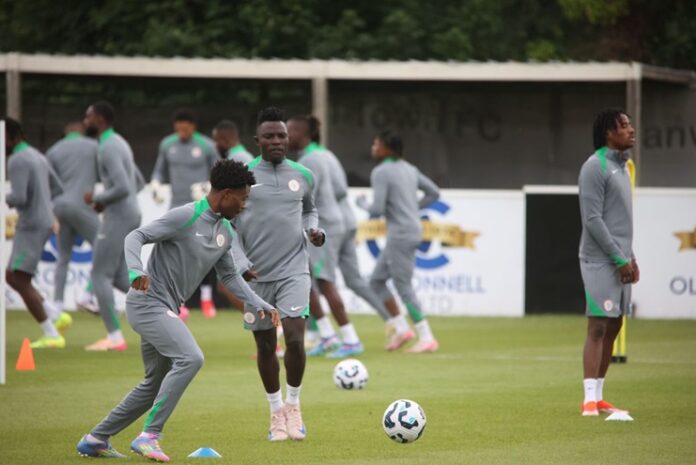
The coaching staff have evidently recognised this issue. Chelle, appointed by the Nigeria Football Federation on 7 January 2025 after previously managing Mali, has closed training sessions to the media for three consecutive days in an effort to address all shortcomings away from public scrutiny. This media blackout signals a determination to foster internal focus and tactical discipline, but it has also intensified speculation about team selection and strategic adjustments. The Frenchman has warned his players that group stage performances offer no guarantees of selection, a clear indication that he is prepared to make difficult decisions to shore up any observed weaknesses in his squad.

Injuries have complicated Chelle’s planning. Cyriel Dessers has been ruled out with a thigh injury and has returned to his club, whilst Ryan Alebiosu is recovering from a leg laceration but remains doubtful for the fixture. Tochukwu Nnadi has also missed training due to illness. The absence of Ola Aina, who would typically provide width and defensive cover at wing back, has further limited options in a system that relies on full backs to support both attack and defence. These personnel issues place greater responsibility on the remaining defenders to maintain organisation and on midfielders to track back when possession is lost.
The attacking dimension of Nigeria’s game has been far more reassuring. Ademola Lookman has emerged as the tournament’s standout performer for the Super Eagles, earning a place in the Confederation of African Football’s best XI for the group stage. His creativity, goals and assists have provided the spark that Nigeria needed in tight moments, and his partnership with Victor Osimhen, though still developing, offers considerable potential. Osimhen himself has not yet matched the goalscoring expectations that accompany his reputation as one of Europe’s most feared strikers, but his movement continues to create space for teammates and his physical presence remains a problem for opposing defences.
Mozambique arrive at this fixture as underdogs but not without credentials. Having progressed as one of the four best third-placed teams, the Mambas claimed their first ever victory in the Africa Cup of Nations with a memorable win over Gabon before suffering narrow defeats to Ivory Coast and Cameroon. Their coach, Chiquinho Conde, leads a squad buoyed by a presidential promise of 500,000 meticals per player for reaching the round of 16. Geny Catamo has been their most influential figure, providing pace and directness on the wing, and his ability to exploit space behind defensive lines will be central to Mozambique’s game plan.
The historical record heavily favours Nigeria, who remain unbeaten against Mozambique across five previous meetings, scoring 11 goals to four. Their most recent encounter, a friendly in 2023, ended with a narrow victory for the Super Eagles. Yet knockout football operates under different rules to friendlies or group stages, and Nigeria’s painful experience at the 2021 edition serves as a cautionary tale. On that occasion, they too won all three group matches before suffering an unexpected exit in the round of 16. Senior figures such as Wilfred Ndidi have stressed the importance of avoiding complacency and treating Mozambique with the respect any knockout opponent demands.
Tactically, Nigeria are expected to deploy a formation that emphasises attacking width, with Stanley Nwabali returning in goal after being rested for the final group match. The defensive line will likely feature Osayi-Samuel, Ajayi, Bassey and Onyemaechi, whilst Ndidi, Onyedika and Iwobi provide midfield cover. The front three of Chukwueze, Osimhen and Lookman offers pace and creativity, but the system’s effectiveness will depend on how well the midfield shields the defence when possession is surrendered.
Mozambique, by contrast, will likely set up in a compact shape designed to absorb pressure and strike on the counter. With an average possession rate of just 48 per cent in the group stage, they have shown themselves comfortable ceding territory and waiting for opportunities to emerge. Their approach will test Nigeria’s patience and discipline, particularly if the Super Eagles concede an early goal or struggle to break down a packed defence. The key individual battles will likely involve Ndidi against Catamo and Osimhen against Mozambique’s central defender Mandava, with Nigeria’s ability to press high and force errors potentially decisive.
For Nigeria, this match represents more than progression to the quarter-finals. It is a chance to demonstrate that lessons have been learned from past disappointments, including the failure to qualify for the 2022 World Cup, a setback that still resonates deeply with supporters. The pursuit of a fourth continental title, following triumphs in 1980, 1994 and 2013, has become a matter of national pride as much as sporting achievement. The silence from the training camp in recent days suggests Chelle understands the psychological stakes involved.
Monday’s fixture in Fez will reveal whether Nigeria’s attacking qualities can overcome their defensive fragilities, or whether Mozambique’s discipline and counter-attacking threat will produce one of the tournament’s defining upsets. The margin for error in knockout football is slender, and the Super Eagles must balance their ambition with the caution their defensive record demands. If they can secure a clean sheet alongside the goals their forward line promises, the path forward remains open. If not, the journey may end far sooner than a nation expects.

Jude Obafemi is a versatile senior Correspondent at THEWILL Newspapers, excelling in sourcing, researching, and delivering sports news stories for both print and digital publications.