
March 08, (THEWILL) — On the afternoon of February 27, Ihotu John Rebecca boarded a commercial vehicle at a motor park in Ibadan, hoping to reach her home state of Benue after the end of her contract with Pacesetter Queens. She never arrived. Near the town of Okada on the Benin Expressway, gunmen stopped the vehicle carrying seven passengers. Four managed to flee into the surrounding bush. Rebecca and two others were dragged away into the forest.
Her ordeal lasted several days. The kidnappers initially demanded N20 million for her release, a sum her family described as impossible, before reducing the figure to N10 million, which remained far beyond what they could raise. Eventually, a ransom of N1.5 million was agreed. The payment itself illustrated the depth of the crisis: family members used multiple point-of-sale terminals across Benue State to assemble the cash, channelling the funds through the father of another captive, who then physically delivered the money to the group holding them. No formal institution coordinated the process. The police played no visible role. The family managed everything alone.
That particular detail, the improvised, informal nature of the rescue, says something important about what Nigeria’s professional sportswomen can expect when crisis strikes. Rebecca is a defender who had competed in the Nigeria Women Football League Premiership, one of the country’s top domestic competitions. She was not a peripheral figure. Yet when she was taken, the response from football’s governing institutions was conspicuously slow. Neither the Nigeria Football Federation nor the league’s administrators issued a public statement during the early days of the abduction. The organisations that might have been expected to serve as the first line of public advocacy left that role to fellow players, many of whom contributed funds through a WhatsApp group called Soccer Queens Exclusive. Their solidarity was genuine and, under the circumstances, vital. It was also a collective act that no league structure should ever require of its members.

The Benin Expressway has accumulated a grim reputation. Running through dense forest across parts of southern Nigeria, it has long been associated with ambushes, and the area around Okada is particularly well documented among security observers. The road’s notoriety is not incidental context; it is the environment in which professional sport operates. According to research from SBM Intelligence, between July 2024 and June 2025, at least 4,722 individuals were abducted across Nigeria in 997 separate incidents, with at least 762 deaths recorded. A National Bureau of Statistics report covering May 2023 to April 2024 recorded more than two million kidnapping incidents nationwide, with rural areas accounting for the majority and the North-West region carrying the heaviest burden. In one year alone, kidnappers received approximately one billion naira in ransom payments, despite legislation ostensibly prohibiting such transactions. Save the Children has documented more than 1,680 schoolchildren taken since 2014. Rebecca’s case adds another professional name to a register that is growing across every sector of Nigerian society.
Her experience also exposes the specific vulnerabilities of domestic athletes. Women’s football clubs in Nigeria operate on tight budgets, and air travel for fixtures is an expense most cannot contemplate. Teams move between states by road, sometimes across journeys lasting two or three days. The head coach of Pacesetter Queens, Akinwunmi Isogun, stated publicly after the kidnapping that flights are simply beyond the financial reach of most clubs in the league, a candid admission that confirmed what many already knew. According to the Armed Conflict Location and Event Data Project, Nigeria accounted for more than half of all abduction events recorded across West Africa between 2019 and 2023, and the routes used by football teams pass through precisely the zones where that violence concentrates. Players share these roads with traders, students and civil servants, facing identical risks with none of the logistical protections common in wealthier professional environments.
Rebecca’s situation was made additionally precarious by the timing of her journey. She had been released by Pacesetter Queens during the mid-season transfer window in February, a routine period when clubs and players separate and individuals seek new contracts. That transition placed her outside the club’s formal duty of care. She was travelling without institutional support, using public transport from a shared motor park, much like any other private citizen. The club confirmed she had left before the incident and expressed concern for her welfare, though the statement felt distancing at a moment when a more emphatic expression of solidarity might have been warranted. Professional football’s formal structures, it turned out, offered her very little protection at exactly the point when she needed it most.
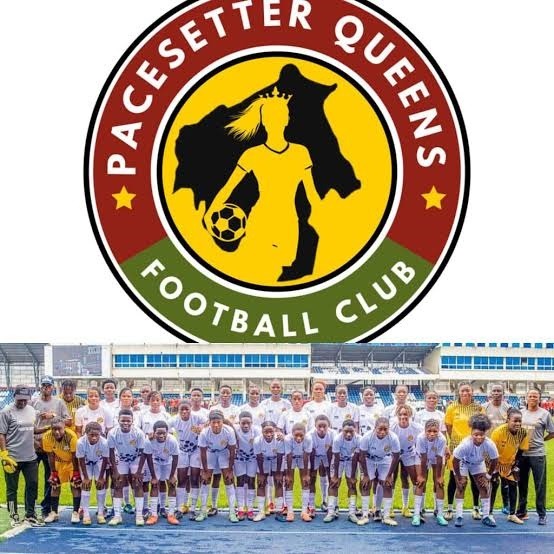
The league’s governance arrangements have not historically addressed this gap with any clarity. Rules around player welfare tend to focus on the period of active employment. A player who is between contracts, travelling home from one city or moving towards a trial at another club, occupies a regulatory grey area that the kidnapping of Rebecca has now made uncomfortably visible. There are calls for a formal player welfare fund, for mandatory insurance extending beyond the playing season and for travel protocols that might reduce risk on long-distance road journeys. These are not extravagant demands. The cost of a welfare system is considerably less than the cost borne by the families, friends and colleagues who must substitute for its absence.
Government officials in Oyo State said after the story broke that inquiries were under way. That response, arriving after the player had already been freed, illustrated the distance between institutional reaction and lived reality. Rebecca’s family had long since navigated the entire crisis without official guidance, in a state of fear that no amount of retrospective concern can adequately address.
She is free. That matters. But her freedom was purchased through the private grief and financial strain of people who had no formal obligation and limited means. Nigerian women’s football has produced players who have gone on to compete at the highest levels of the global game. The structures that govern the domestic league remain wholly inadequate to protect the people on whom that pipeline depends. An incident that ended in relief could, with very little variation, have ended differently, and the conditions that produced it remain entirely unchanged.

Jude Obafemi is a versatile senior Correspondent at THEWILL Newspapers, excelling in sourcing, researching, and delivering sports news stories for both print and digital publications.